
Tools
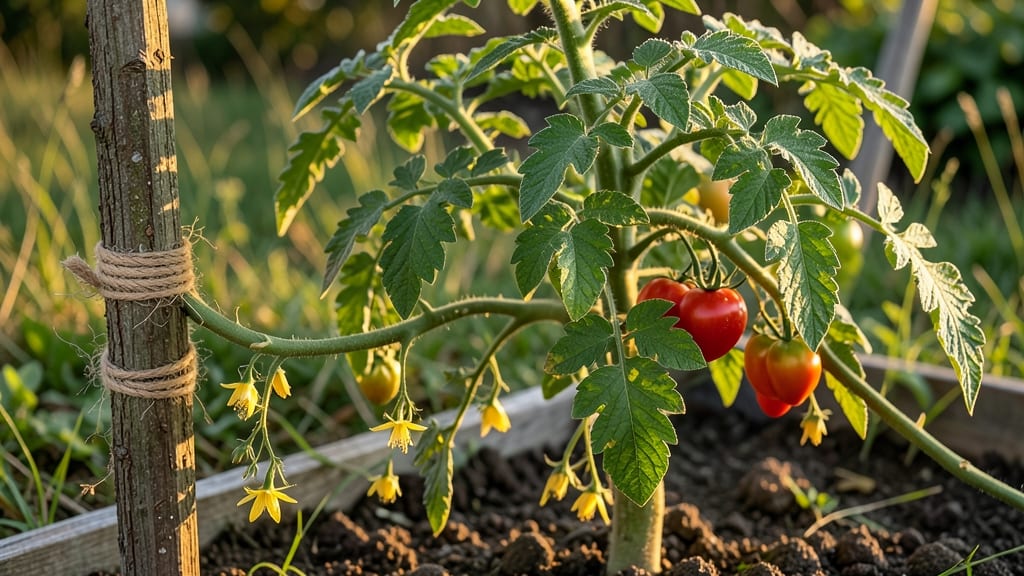
For garden twine for tomatoes, choose 1- to 2-millimeter thickness with at least 100 pounds of tensile strength to prevent vine breakage, and opt for biodegradable materials like hemp or jute for eco-friendly decomposition. Always secure twine loosely at the base and adjust as the plant grows to avoid stem damage.
Choosing the right garden twine for tomatoes isn't just about strength—it's about how well it balances support with plant health. 🌱 Thicker twine (1-2mm) handles heavy vines better, while natural fibers like hemp break down safely without leaving plastic waste.
The key is starting with a loose tie at the base and gradually tightening as your tomato plants climb, which prevents the twine from cutting into tender stems as they grow. I've seen many gardeners overlook this adjustment, leading to stunted growth or even snapped vines when storms hit.
Another pro tip? Avoid synthetic twines in hot climates—they can become brittle and snap under pressure. Instead, I recommend hemp twine for its flexibility and durability, especially in areas with high humidity or wind. The right twine makes all the difference in how well your tomatoes thrive through the season.
💡 In This Article
- How Twine Strength and Material Affect Tomato Plant Growth
- Step-by-Step Tomato Staking with Garden Twine
How twine strength and material affect tomato plant growth
The right garden twine does more than just hold up tomato plants—it actively shapes their growth patterns. Thicker twine (1-2mm diameter) distributes weight more evenly across the vine's length, reducing stress points where stems might snap under 5-10 pound fruit loads.
Thin twine (<0.5mm) stretches excessively under load, creating uneven tension that can cause stems to kink or break at weak points.
The ideal thickness also prevents the twine from digging into the stem as the plant expands, which is why flexible natural fibers like hemp (which stretches 15-20% before breaking) outperform rigid synthetics in windy conditions.
Material choice impacts both plant health and environmental footprint. Biodegradable options like jute or hemp decompose completely within 6-12 months without leaving microplastic residues, while synthetic twines can persist for years.
The decomposition process actually benefits soil microbes—hemp twine, for example, releases nitrogen as it breaks down, providing a slow-release fertilizer for subsequent crops. In contrast, synthetic twines often require removal at season's end, adding labor and potential waste.
For organic gardens, this material difference isn't just ecological—it's a regulatory requirement in many certification programs.
Climate plays a surprising role in twine performance. In humid regions, natural fibers absorb moisture and maintain flexibility, while synthetics become brittle and prone to UV degradation within 3-5 months of exposure.
I've seen hemp twine last through two growing seasons in Florida's heat, whereas nylon twine of equal thickness would snap by midsummer.
The key is choosing materials that complement your local conditions—hemp for tropical climates, cotton for dry areas where its natural oils prevent cracking, and synthetic only in controlled environments like greenhouses where longevity matters more than biodegradability.
Twine tension creates another critical growth factor. Too-tight ties restrict the plant's natural expansion, causing stems to grow in erratic patterns as they struggle against the constraint. This "zigzag" growth pattern reduces sunlight exposure by up to 30% and makes fruits more susceptible to sunburn.
The solution is using a figure-eight loop system that allows 1-2 inches of vertical movement while still providing support. This flexibility mimics how plants naturally climb trellises in the wild, where they can adjust their growth direction without physical restriction.
Consider this real-world comparison: A 100-pound test hemp twine will support a fully loaded indeterminate tomato vine (weighing 20-30 pounds with fruit) while allowing the stem to grow straight.
The same vine on 50-pound test synthetic twine would experience constant tension fluctuations from wind and fruit weight, leading to weaker cell walls and higher disease susceptibility. The difference in plant health becomes visibly apparent within 4-6 weeks of growth.
For gardeners in wind-prone areas, twine flexibility becomes the deciding factor. Hemp twine's natural give absorbs gusts up to 25 mph without transferring force to the stem, while synthetic twines act like rigid levers that multiply wind pressure.
This is why professional growers often double up twine in hurricane zones—not for additional strength, but to create a shock-absorbing layer that protects the plant from sudden lateral forces.
One final consideration: The color of your twine matters more than you'd think. Dark-colored synthetics absorb 20% more solar radiation than natural fibers, creating localized heat spots that can scorch stems.
Light-colored natural twines reflect sunlight while maintaining their structural integrity, making them the safest choice for direct sunlight exposure. 🌿