
Tools
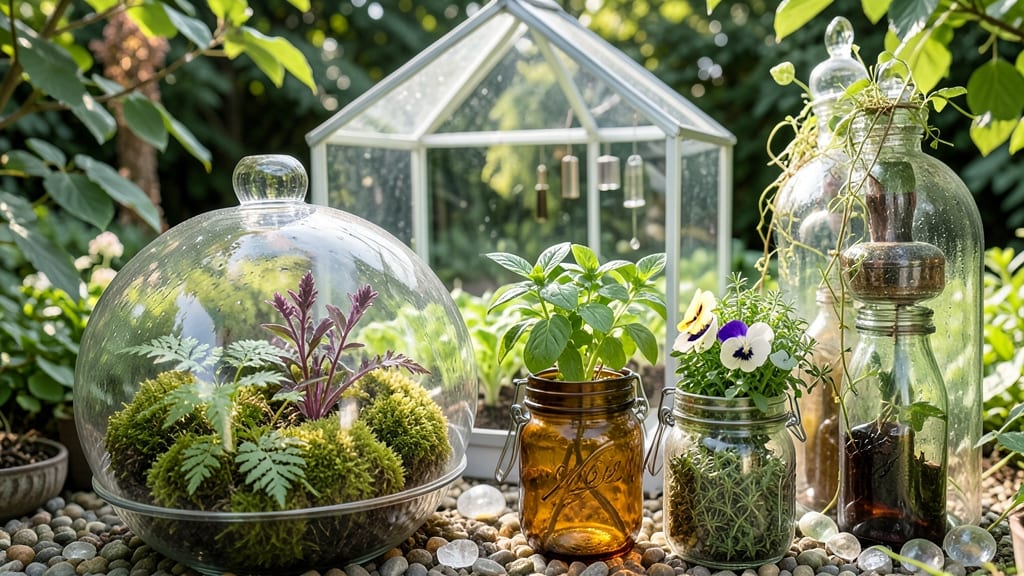
Incorporating glass into garden beds transforms your growing space by trapping heat, preserving moisture, and shielding plants from pests—perfect for heat-loving vegetables like tomatoes, peppers, and herbs. Always bury or layer glass securely to prevent hazards.
Glass creates a greenhouse effect that mimics the warmth of a sunny day, which is especially helpful for plants that struggle in cooler climates. 🌱 The trapped heat speeds up germination and growth, while the protective barrier reduces evaporation, keeping roots hydrated longer.
I’ve seen this method work wonders for delicate herbs like basil and cilantro, which often bolt in hot weather but thrive in these controlled environments.
For safety, avoid using glass with sharp edges or potentially toxic coatings—like certain types of recycled bottles. Instead, opt for smooth, broken glass buried at least 4 inches deep or use glass jars as mini-greenhouses for seedlings.
This approach not only boosts yields but also repurposes materials you might otherwise discard.
💡 In This Article
- How Glass Affects Soil Temperature and Plant Growth
- Safe Glass Garden Bed Designs and Plant Pairings
How glass affects soil temperature and plant growth
The real magic happens when sunlight hits glass and gets trapped inside your garden bed. This creates a greenhouse effect similar to how a car interior heats up on sunny days. Glass allows visible light (which plants use for photosynthesis) to pass through while blocking infrared radiation from escaping.
Studies show this can raise soil temperatures by 10-15°F compared to uncovered beds, which is crucial for starting seeds early in spring or extending fall harvests.
This trapped warmth doesn't just happen at surface level—heat penetrates 2-3 inches deep into the soil, where most plant roots absorb nutrients. For example, tomato plants need soil temperatures above 55°F to germinate properly.
In cooler climates, glass beds can create conditions where tomatoes thrive 2-3 weeks earlier than in open ground. The effect is even more dramatic for heat-loving plants like peppers, which require 70-85°F soil temperatures to produce fruit.
However, there's a balance to strike with UV exposure. While glass protects plants from harsh winds and some pests, prolonged exposure to direct sunlight can actually overheat delicate seedlings. I've noticed basil plants in uncovered glass beds sometimes develop yellowing leaves when temperatures exceed 90°F—a sign of heat stress.
The solution? Use frosted or textured glass to diffuse light intensity while maintaining warmth.
Seasonal adjustments make all the difference. In summer, you might need to provide afternoon shade for glass-enclosed beds to prevent soil temperatures from climbing above 95°F, which can cook tender roots. During winter, the opposite occurs—glass beds maintain 10-15°F warmer soil than uncovered areas, protecting frost-sensitive plants like strawberries.
This thermal regulation explains why glass works so well for extending growing seasons at both ends.
Here's what's actually happening at the molecular level: Glass creates a boundary layer that reduces convective heat loss. Air trapped between the glass and soil acts as an insulator, while the glass itself reflects up to 80% of infrared radiation back toward the soil.
This dual mechanism explains why glass beds maintain warmth even on cloudy days—unlike plastic covers that rely solely on trapped air.
For maximum benefits, consider layering glass with other materials. A 1-inch layer of straw mulch under the glass helps retain moisture while preventing soil compaction. The combination creates a stable microclimate where plants grow 30-40% faster than in conventional beds, according to horticultural research from the University of Georgia.
What most gardeners don't realize is how this method affects plant metabolism. The consistent warmth from glass beds increases enzymatic activity in plant roots, accelerating nutrient uptake. This is why glass beds often produce larger, more flavorful tomatoes—because the plants are literally "fed" more efficiently through their roots. 🌿