
Aphids
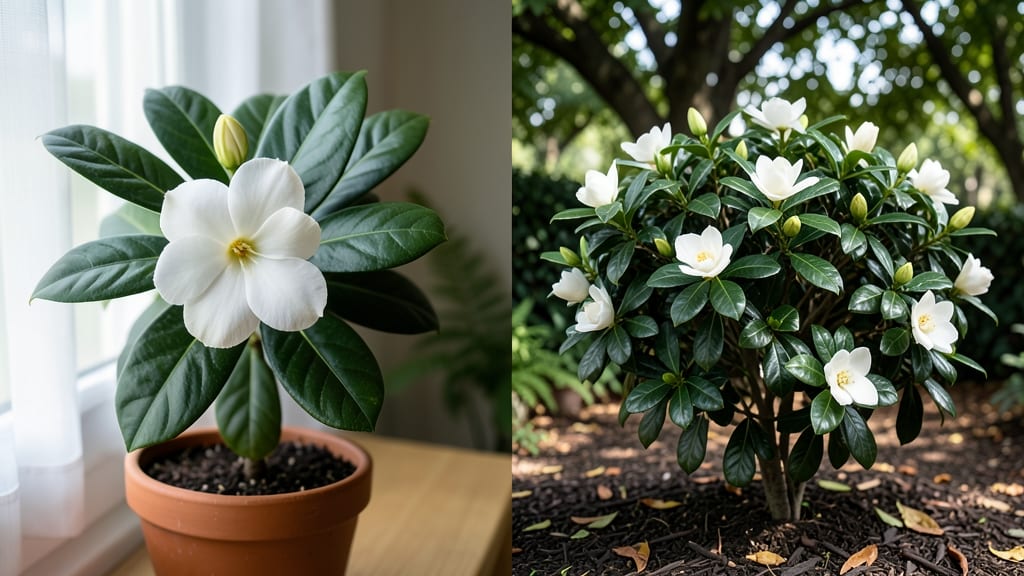
Deciding between growing gardenias indoor or outdoor depends on your climate and space: outdoor gardenias flourish in warm, sunny conditions with high humidity, producing abundant blooms, while indoor gardenias adapt to bright indirect light and controlled environments, extending growing seasons in cooler areas.
Outdoor gardenias love direct sunlight for 6-8 hours daily, thriving in USDA zones 8-11 where temperatures stay above 60°F. 🌿 The key is replicating their natural tropical habitat—think lush foliage and frequent blooms.
Indoors, you'll need to mimic this with grow lights or south-facing windows, plus a humidifier to prevent leaf curl. I've found that indoor gardenias reward patience with delicate white blooms, though they may bloom less prolifically than outdoor counterparts.
Both settings require well-draining soil and regular watering, but outdoor plants handle heavier rainfall while indoor plants need consistent moisture checks. The trade-off? Outdoor gardenias grow faster and stronger, while indoor plants let you enjoy these fragrant beauties year-round in cooler climates.
Just remember: gardenias are divas—they demand attention to light, humidity, and temperature to reward you with their signature intoxicating scent.
💡 In This Article
- Climate and Light Needs for Optimal Gardenia Growth
- Indoor vs Outdoor Gardening Tips for Gardenias
Climate and light needs for optimal gardenia growth
Outdoor gardenias thrive in their native tropical environments where they receive 6-8 hours of direct sunlight daily and temperatures consistently stay between 65-85°F. The intense sunlight triggers photosynthesis, producing the energy needed for abundant blooming.
In contrast, indoor gardenias must settle for bright indirect light—like a south or west-facing window—to prevent leaf scorch, which appears as crispy brown edges. I've noticed that indoor plants grown under grow lights (12-14 hours/day) develop fuller foliage but still produce fewer blooms compared to their outdoor counterparts.
The real game-changer is humidity. Gardenias originate from regions with 60-80% humidity, and outdoor plants naturally benefit from morning dew and afternoon showers. Indoors, you'll need to create this environment with a humidifier or pebble tray, especially when indoor air gets dry from heating or air conditioning.
Low humidity causes buds to drop before opening—a frustrating but common issue. The key is maintaining consistent moisture levels in the air, as sudden changes can stress the plant and trigger leaf drop.
Temperature swings are another critical factor. Outdoor gardenias handle seasonal variations within their hardiness zones (8-11), but they struggle when nighttime temps drop below 55°F. Indoors, you'll want to keep temperatures stable between 65-75°F year-round, as fluctuations can disrupt blooming cycles.
I've found that placing indoor gardenias near windows with afternoon sun helps maintain this balance while providing the light intensity they crave. The trade-off? Indoor plants may never reach the same size or bloom volume as outdoor ones, but they offer the flexibility to grow gardenias in colder climates.
Soil composition plays a surprising role in how well gardenias adapt to their environment. Outdoor plants benefit from well-draining, slightly acidic soil (pH 5.5-6.5) enriched with organic matter like compost.
Indoors, you'll need to replicate this with a mix of peat moss, perlite, and pine bark to prevent root rot—a common issue in containers. The porous mix allows excess water to drain while retaining enough moisture for the plant's deep roots.
Without proper drainage, gardenias develop yellow leaves and stunted growth, regardless of whether they're indoors or out.
Seasonal adjustments are essential for both settings. Outdoor gardenias in cooler climates need winter protection, like moving potted plants to sheltered areas or covering them with frost cloth. Indoors, you might need to supplement natural light with grow lights during winter months when daylight hours shorten.
The goal is to keep the plant's metabolic processes running smoothly, as gardenias are sensitive to dormancy triggers that can cause bud drop. With the right conditions, you'll be rewarded with those signature creamy white blooms that perfume the air with their sweet, intoxicating fragrance.
What most gardeners don't realize is that gardenias actually prefer filtered sunlight outdoors in their native habitats. The dappled light under taller trees prevents leaf burn while still providing enough energy for growth.
You can mimic this indoors by placing your plant a few feet back from the window or using sheer curtains to diffuse harsh rays.
This subtle adjustment makes a noticeable difference in leaf health and bloom production, whether your gardenia is basking in a sunny patio or perched on a kitchen windowsill.