
Tools
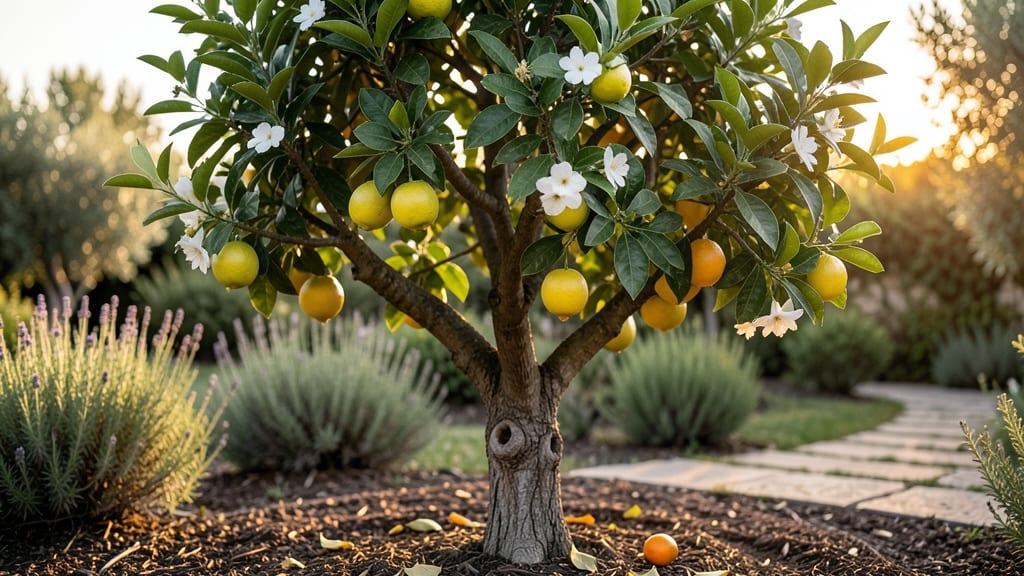
Garden Zone 9B typically experiences its last frost between February 15 and March 15, with a frost-free timeline spanning 300–360 days annually, allowing for year-round planting of many tropical and subtropical crops. Verify local microclimates for precision, as urban areas may vary slightly.
Understanding Zone 9B's frost patterns is key to maximizing your growing potential.
The extended frost-free period—nearly a full year—lets you cultivate everything from citrus trees to heat-loving peppers without worrying about spring freezes. 🌱 Coastal areas in this zone often enjoy even longer growing seasons due to ocean breezes, while inland regions might see slightly earlier frosts.
For precise timing, check your local USDA frost maps or use a frost watch app to track real-time conditions.
This zone's mild winters also mean you can experiment with year-round planting of tropical staples like hibiscus or eggplant. Just be mindful of summer heat—some plants (like okra) thrive in 9B's warmth, while others (like lettuce) may bolt quickly.
I always recommend keeping a planting journal to track what works best in your specific microclimate.
💡 In This Article
- How USDA Zone 9B Frost Dates Shape Planting Seasons
- Best Plants to Grow in Zone 9B’s Extended Growing Season
How USDA Zone 9B frost dates shape planting seasons
Zone 9B's frost-free window is primarily shaped by its average annual minimum temperatures, which typically range between 25°F and 30°F (-4°C to -1°C). This narrow temperature band creates the delicate balance that defines the zone's planting seasons.
The USDA calculates these zones based on the 30-year average of the lowest winter temperatures, which for 9B means frost events are rare but not impossible. Coastal areas within this zone often experience even milder conditions due to the ocean's heat-retaining properties, while inland regions may see slightly earlier frosts.
The last frost date—usually between February 15 and March 15—is influenced by several factors. Elevation plays a critical role: areas just 1,000 feet (300 meters) higher may experience frosts 2-3 weeks earlier than coastal plains.
For example, Los Angeles (coastal 9B) might see its last frost in early March, while inland areas like Riverside could experience one as late as early April. This variation is why gardeners in 9B should always check local microclimate data rather than relying solely on general zone guidelines.
What makes Zone 9B unique is its 300–360 frost-free days, which is nearly a full year. This extended period allows tropical plants like citrus trees, bougainvillea, and hibiscus to thrive without protection.
The science behind this lies in the zone's subtropical climate, where cold fronts rarely penetrate deeply enough to cause prolonged freezing. However, even in 9B, unexpected 20°F (-7°C) dips can occur every 5-10 years, which is why some gardeners still use frost cloths for sensitive plants during late winter.
Comparing Zone 9B to its neighbors reveals important distinctions. Zone 9A (with 20–25°F (-7°C to -4°C) minimums) has slightly shorter frost-free periods, while Zone 10A (with 30–35°F (-1°C to 2°C) minimums) enjoys even longer growing seasons.
The key difference is the frequency of hard frosts: 9B can handle occasional 25°F (-4°C) events, while 10A rarely sees temperatures below 30°F (-1°C). This is why some plants labeled "Zone 10" may still struggle in 9B during unusually cold winters.
For gardeners, understanding these nuances means planning for both heat tolerance and cold sensitivity. While Zone 9B's long growing season is ideal for tropical plants, summer temperatures often exceed 90°F (32°C) for months, which can stress heat-sensitive crops. The solution?
Strategic planting—cool-season crops like lettuce in fall/winter, and heat-lovers like okra in late spring/summer. Using a frost watch app or local weather alerts can help you time plantings precisely, avoiding both early frosts and summer heatwaves.
One often-overlooked factor is the urban heat island effect, where cities in Zone 9B (like Phoenix or San Diego) can be 5–10°F (3–6°C) warmer than rural areas. This means urban gardeners might push the limits of heat-tolerant plants further than their rural counterparts.
For example, while rural 9B might see 340 frost-free days, an urban area could easily exceed 360 days, extending the growing season by nearly a month.
Here's what this all means for your garden: Zone 9B's frost dates aren't just numbers—they're a gateway to year-round growing. With the right planning, you can enjoy tomatoes in January, citrus year-round, and flowers blooming in every season.
The key is balancing the zone's natural advantages with smart adaptations, like choosing the right varieties and protecting tender plants during rare cold snaps. 🌿