Pruning
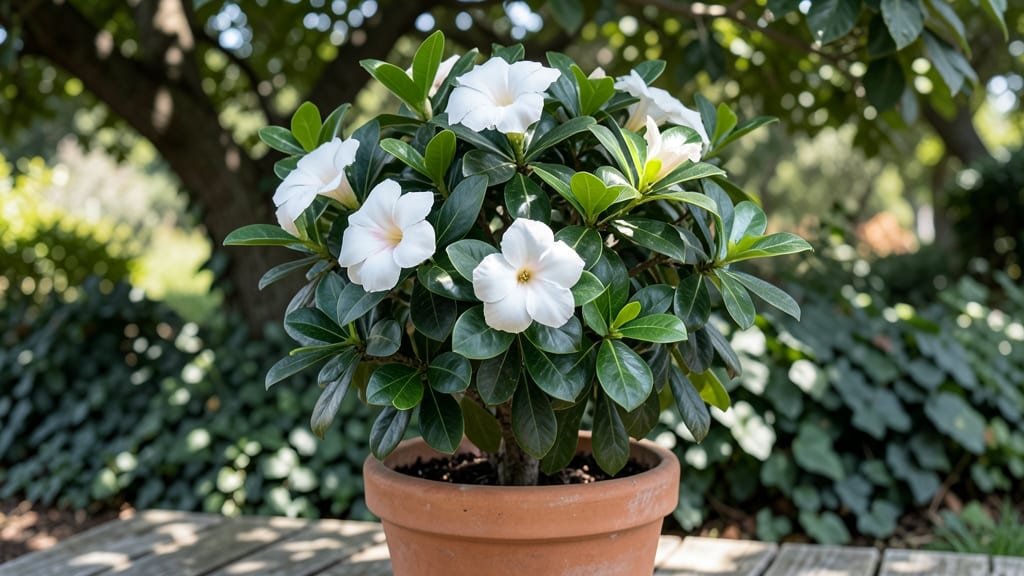
A gardenia bush height of 3 to 6 feet is the natural range for these fragrant, glossy-leaved beauties—but controlling that growth is where many gardeners stumble.
Picture this: You’ve nurtured your gardenia for years, only to watch it shoot up like a towering sentinel, its lower branches bare and its blooms out of reach.
The good news? With the right pruning tricks, you can shape your gardenia into a compact, bushy powerhouse while keeping those signature white blooms coming.
This isn’t just about hacking off random branches—it’s about understanding when to prune, how much to cut, and which techniques encourage fuller growth. Whether you’re dealing with a standard-sized shrub or a dwarf variety, the principles are the same: timing, technique, and a little patience.
Below, I’ll walk you through the exact steps to manage your gardenia’s height, from the best pruning tools to avoid to the seasonal secrets that keep your plant thriving. Ready to reclaim control over your gardenia’s growth?

Natural gardenia bush height: what to expect and how to measure growth
If you’ve ever wondered why your gardenia bush seems to reach for the sky while others stay compact, you’re not alone. Understanding a gardenia’s natural growth patterns is the first step to managing its height effectively.
These fragrant shrubs typically grow between 3 to 6 feet at maturity, but their growth rate and final size depend heavily on variety, care, and pruning habits. Knowing what to expect helps you set realistic goals and plan your pruning strategy for a bushy, blooming plant.
One of the biggest misconceptions about gardenias is that they grow at a steady, predictable rate. In reality, their height growth fluctuates with the seasons, with the most rapid expansion occurring in spring and early summer.
If you’ve noticed your gardenia shooting up unexpectedly, it’s likely responding to ideal conditions—like plenty of sunlight, rich soil, and consistent moisture. The key to controlling its height lies in understanding these growth spurts and acting at the right time.
| Growth Stage | Height Range | Growth Rate | Best Pruning Time |
|---|---|---|---|
| Year 1 (Seedling) | 1–2 feet | Slow (focus on root establishment) | Late winter (minimal pruning) |
| Year 2–3 (Juvenile) | 2–4 feet | Moderate (6–12 inches per year) | Early spring (before new growth) |
| Mature (Years 4+) | 3–6 feet (varies by variety) | Slower (2–6 inches per year) | Late winter/early spring or post-bloom |
| Dwarf Varieties | 2–3 feet | Slower growth overall | Light pruning after blooming |
| Standard Varieties | 4–6 feet | Faster vertical growth | Regular pruning to control height |
Measuring your gardenia’s growth accurately is simpler than you think. Use a tape measure or ruler to track the height from the base of the plant to the tallest branch tip. Record measurements every 4–6 weeks during the growing season to spot trends.
For example, if your gardenia grows 6 inches in spring but only 2 inches in fall, you’ll notice seasonal slowdowns that signal when to pause pruning. This data helps you anticipate how much to trim back to maintain your desired height.
Seasonal variations play a huge role in gardenia growth. In spring, when temperatures rise and days lengthen, your plant will experience a growth surge as it prepares for blooming season.
This is the best time to prune if you want to control height, as new growth will fill in quickly. Conversely, winter dormancy slows growth almost to a halt, making it a poor time for major pruning.
Understanding these cycles ensures you’re pruning at the right moment to encourage bushier, more manageable growth.
Light exposure directly impacts how tall your gardenia will grow. Gardenias thrive in partial shade, receiving morning sun and afternoon shade. If planted in full sun, they may grow taller and leggier as they stretch toward shade.
To keep your gardenia compact, position it where it gets 4–6 hours of morning sunlight and afternoon shade. This balance promotes horizontal growth and a fuller shape, reducing the need for aggressive pruning later.
Soil quality is another critical factor in managing gardenia height. These plants prefer well-draining, acidic soil with a pH between 5.0 and 6.5. Poor soil conditions—like compacted or alkaline soil—can stunt root growth, leading to weaker stems and taller, less stable plants.
Amend your soil with peat moss or compost to improve drainage and fertility. Healthy roots mean a stronger, more balanced gardenia that’s easier to manage in terms of height.
Fertilizer choices also influence how your gardenia grows. Over-fertilizing with high-nitrogen feeds can encourage rapid vertical growth at the expense of blooms and bushiness. Instead, use a balanced fertilizer (10-10-10) every 4–6 weeks during the growing season.
This approach promotes steady, controlled growth while maintaining the plant’s natural shape. Always apply fertilizer in the early morning to avoid burning the roots or leaves.
If your gardenia is already taller than you’d like, don’t panic. You can still shape it with strategic pruning. Focus on removing overly long branches from the bottom third of the plant to encourage new growth lower down.
This technique, called heading back, redirects energy toward filling out the bush rather than reaching upward. Just be sure to prune just above a leaf node or bud to promote healthy regrowth.
For gardeners with limited space, consider dwarf gardenia varieties like ‘Kleim’s Hardy’ or ‘Radicans,’ which max out at 2–3 feet. These varieties are bred to stay compact while still producing fragrant blooms.
If you’re starting from scratch, planting a dwarf variety from the beginning saves you the hassle of constant pruning. Even with standard varieties, a little patience and consistent pruning can keep them at a manageable height without sacrificing their beauty.
Step-by-step pruning techniques to control gardenia bush height
Pruning your gardenia bush is the key to maintaining its ideal height while encouraging lush, fragrant blooms. Without proper pruning, these beauties can quickly outgrow their space, reaching 6 feet tall or more.
The good news? With the right techniques, you can shape your gardenia into a compact, bushy shrub that stays within your desired height limits.
Timing is everything when pruning gardenias. The best time to prune is right after flowering, typically in late spring or early summer. This allows the plant to recover before winter dormancy and promotes new growth in the right direction.
Avoid heavy pruning in fall or winter, as this can stress the plant and reduce next year’s blooms.
-
Step 1: Gather Your Tools
Use sharp, sterilized pruning shears for clean cuts. A bypass pruner works best for branches up to 1/2 inch thick. For thicker stems, use loppers. Always disinfect tools with rubbing alcohol to prevent disease spread.
-
Step 2: Identify Target Branches
Look for overly tall branches or those growing inward. Focus on 3-4 main stems to encourage a fuller shape. Remove branches that are weak, crossing, or diseased first.
-
Step 3: Apply the Heading Back Method
Cut just above a leaf node or bud at a 45-degree angle. For height control, trim the topmost growth by 1/3 to 1/2 of its length. This encourages bushier growth below the cut.
-
Step 4: Thin Out Crowded Branches
Remove 1-2 older branches from the base to improve airflow. Select branches that are thinner than a pencil for easier removal. This reduces competition for nutrients and promotes thicker growth.
-
Step 5: Pinch New Growth for Compactness
Use your fingers to pinch off the tip of new shoots in early summer. This redirects energy to side branches, creating a denser, more compact shape. Repeat every 4-6 weeks during the growing season.
-
Step 6: Clean Up and Monitor
Remove all pruned debris from the base to prevent fungal growth. Water the plant thoroughly after pruning. Monitor growth over the next 6-8 weeks and adjust future cuts as needed.
When pruning, always cut just above a leaf node or outward-facing bud to encourage growth in the desired direction. Avoid cutting into old wood, as gardenias bloom on new growth. If you accidentally cut into old wood, the plant may not produce flowers in that area for the season.
Safety is crucial when pruning. Wear gloves to protect your hands from thorns and sharp branches. Use a stable ladder if your gardenia is tall, and never stretch to reach branches. Always prune in bright, dry conditions to reduce the risk of spreading disease through open wounds.
With consistent pruning, your gardenia will stay within your desired height while producing abundant, fragrant blooms year after year. Start with light pruning in the first year, then gradually increase as the plant matures.
Your efforts will be rewarded with a well-shaped, healthy gardenia that’s the envy of the neighborhood! 🌸