
Fertilization
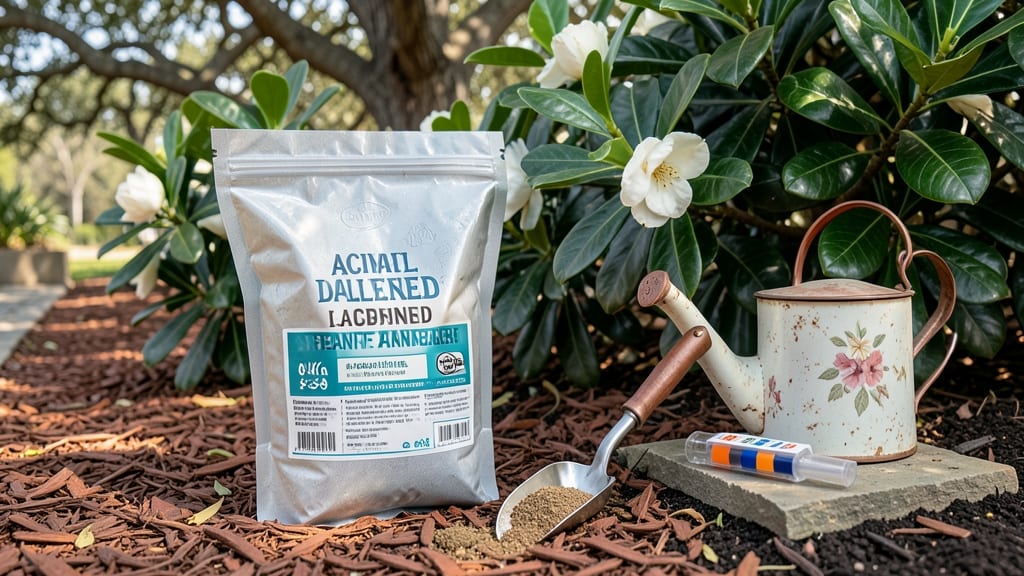
The perfect gardenia fertilizer ratio unlocks those sweet, intoxicating blooms 🌸—but get it wrong, and you’re left with yellow leaves and no fragrance.
Struggling to get your gardenia to bloom with its signature intoxicating fragrance? The secret lies in the precise gardenia fertilizer ratio—a blend of nutrients that mimics its natural, acidic soil needs.
Too much nitrogen, and you’ll end up with lush leaves but no flowers. Too little phosphorus, and those buds won’t even form. The ideal balance is a 3-1-2 NPK ratio (or 6-3-4 for heavy bloomers), paired with micronutrients like iron and magnesium.
Below, I’ll break down exactly how to feed your gardenia—when, how much, and what to avoid—to turn your shrub into a fragrant, blooming powerhouse.
Optimal gardenia fertilizer ratio for maximum blooms
Your gardenia’s fragrant blooms and glossy foliage depend on the right fertilizer ratio. Unlike many plants, gardenias thrive on a low-nitrogen, high-phosphorus blend to fuel blooming while avoiding leafy growth.
The ideal NPK ratio for gardenias is 3-1-2 or 6-3-4, tailored to their acid-loving nature. This balance ensures vibrant flowers without burning delicate roots.
Micronutrients like iron, magnesium, and manganese are equally critical. Gardenias often suffer from chlorosis (yellowing leaves) due to iron deficiency, especially in alkaline soils. A chelated iron supplement (like iron sulfate) can correct this while maintaining the acidic soil pH (5.0–6.5).
Seasonal adjustments—like reducing fertilizer in winter dormancy—keep your gardenia healthy year-round.
For organic gardeners, a blend of fish emulsion (5-1-1) in spring and bone meal (3-15-0) in fall mimics the ideal 3-1-2 ratio. Fish emulsion provides quick nitrogen for foliage, while bone meal’s high phosphorus promotes blooms.
Synthetic options like 6-3-4 fertilizers (e.g., Miracle-Gro for Acid-Loving Plants) offer convenience but require monthly soil pH checks to prevent alkalinity.
Spring is the critical feeding window—apply your high-phosphorus fertilizer when buds form (typically April–May). In summer heat, cut back to half-strength doses to avoid leaf scorch.
A foliar spray with chelated iron can rescue yellowing leaves mid-season. Fall’s light feeding (e.g., ½ tbsp per plant) preps roots for winter dormancy.
Watch for over-fertilization signs: crispy leaf edges or burnt tips mean you’ve overdone it. Under-fertilized gardenias show pale leaves or fewer blooms. Adjust by reducing NPK by 50% or switching to a low-salt fertilizer (like Espoma Garden-Tone). Always water thoroughly after fertilizing to prevent root damage.
Potted gardenias need more frequent feeding (every 3–4 weeks) due to limited soil nutrients. Use a slow-release fertilizer like Osmocote (14-14-14) for convenience. For container plants, flush the soil with water every 3 months to remove excess salts. Mulch with pine bark to maintain acidic conditions and retain moisture.
Pro tip: Pair fertilizer with proper pruning. Trim spent blooms in early spring to encourage new growth. Deadhead yellowing flowers to redirect energy to healthier blooms.
Combine this with morning watering (1–2 gallons per plant) to maximize nutrient uptake. Your gardenia will reward you with abundant, fragrant blooms all season long.
Remember, consistency is key. Gardenias respond best to a steady nutrient supply rather than sporadic heavy feeding. Start with the 3-1-2 ratio, monitor leaf color, and adjust micronutrients as needed.
With the right blend, your gardenia will become the showstopper of your garden—just like it’s meant to be. 🌸
How to apply gardenia fertilizer for best results
Getting your gardenia to produce those fragrant, creamy-white blooms requires more than just the right fertilizer ratio. It’s about timing, method, and balance. Gardenias thrive on a consistent feeding schedule during their active growing months, but too much or too little can spell disaster.
I’ve learned through trial and error that spring and early summer are the prime times to fertilize, while fall and winter demand a lighter touch.
Most gardeners use either synthetic acid-loving fertilizers or organsic options like fish emulsion. I prefer a balanced 6-3-4 NPK ratio with added iron and magnesium, which mimics the acidic conditions these plants love.
For potted gardenias, I halve the dose to avoid root burn from salt buildup. Always water thoroughly before and after applying fertilizer to help nutrients absorb evenly.
A 3-1-2 NPK ratio is ideal, but never exceed 1 tbsp per plant in spring or you risk leaf burn. High nitrogen (first number) promotes foliage but reduces blooms. For organic gardeners, peat moss or pine bark lowers soil pH naturally, but test soil pH first—gardenias hate alkaline conditions (pH above 6.5).
When applying fertilizer, I always choose early morning to prevent leaf scorch from afternoon sun. For soil application, sprinkle granules around the drip line (not the trunk) and water deeply.
For foliar feeding, dilute liquid fertilizer to half-strength and mist leaves—this is great for iron-deficient plants showing yellowing between veins. I rotate between soil and foliar methods every other feeding to ensure balanced nutrition.
Signs of over-fertilization include crispy leaf edges, stunted growth, or excessive foliage with no blooms. If you see these, flush the soil with water and reduce feeding to every 8-12 weeks. Under-fertilized gardenias show pale leaves, small buds that drop, or weak stems.
In this case, increase frequency to every 3-4 weeks and switch to a higher-phosphorus formula (like 3-1-2) to encourage blooming.
Organic gardeners swear by compost tea or worm castings, while synthetic fans prefer time-release granules. I keep a rotating schedule: synthetic in spring for a quick nutrient boost, organic in summer for slow-release benefits.
Always stop fertilizing by August to let your gardenia prepare for dormancy. In USDA Zone 6a, I resume feeding in early April when new growth appears.
Pro tip: Mulch with pine needles after fertilizing to lock in moisture and maintain acidic soil. Avoid synthetic mulches like black plastic—they can raise soil pH over time.
With the right fertilizer ratio and application method, your gardenia will reward you with months of intoxicating blooms from late spring through summer. 🌸