Landscaping
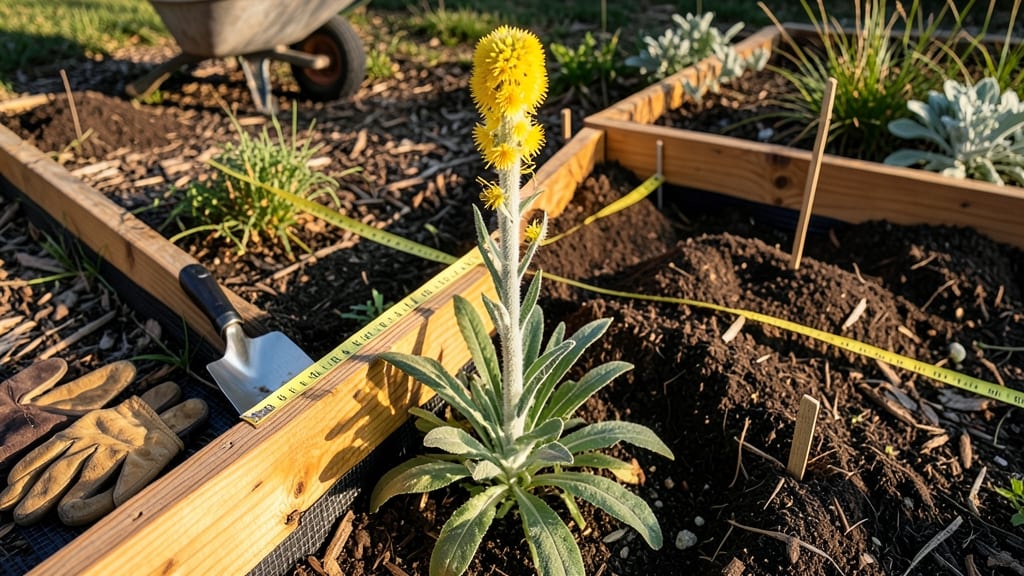
How tall to make raised garden beds is the first step to healthier plants and easier gardening—and the perfect height depends on what you’re growing and how you’ll use the space.
Picture this: you’ve spent hours building your dream raised garden bed 🌱, only to realize your tomatoes can’t spread their roots deep enough or your herbs are drowning in soggy soil. The good news? A few inches can make all the difference between a thriving garden and a frustrating one.
Most gardeners aim for 6 to 12 inches for vegetables like lettuce and radishes, but deeper-rooted plants like carrots or asparagus need 12 to 18 inches to stretch out. Add in drainage needs, soil quality, and even accessibility for kids or wheelchairs, and you’ve got a lot to consider.
In this guide, I’ll break down the science behind raised bed heights, share practical tips for adjusting based on your plants, and help you avoid common mistakes that waste time and money.

Optimal raised garden bed height for root depth and plant types
Choosing the right raised garden bed height is one of the first decisions that shapes your garden's success. While many gardeners default to a standard 6-12 inch height, the truth is that plant roots, soil volume, and even your comfort matter just as much.
For example, carrots and potatoes need at least 12-18 inches of soil to grow properly, while shallow-rooted herbs like basil and thyme thrive in just 6-10 inches.
At Evergreen Seeds, we’ve learned that soil depth directly impacts yield. A bed that’s too shallow can stunt root growth, while one that’s too tall may waste resources and create drainage challenges.
The sweet spot often lies between 10-14 inches, but it depends entirely on what you’re growing and who’s tending the garden. For instance, tomatoes and peppers benefit from deeper beds, while lettuce and radishes do fine in shallower setups.
Here’s a quick guide to help you decide based on your plants and needs:
Beyond plant needs, consider accessibility. A bed that’s 24-30 inches tall at the top is ideal for gardeners who prefer to stand while working, reducing strain on knees and backs. However, this height requires 12-18 inches of soil depth to avoid compaction and poor drainage.
If you’re growing a mix of plants, a 12-inch height with 10-12 inches of soil is a versatile middle ground.
For children or wheelchair users, lower beds (8-12 inches tall) make gardening more accessible. We’ve found that 10-inch-tall beds with 8 inches of soil work well for kids’ gardens, allowing them to reach plants comfortably while still accommodating most vegetables.
Just be mindful of weed control—shallower beds may require more frequent weeding.
Another key factor is soil volume. A 4x8-foot bed that’s 12 inches tall holds about 1.5 cubic feet of soil per square foot, which is plenty for most plants. However, deeper-rooted crops like squash or corn may still need supplemental soil or deeper beds.
Pro tip: Mix in compost to improve soil structure and drainage, especially in taller beds where compaction can become an issue.
If you’re unsure where to start, begin with a 12-inch-tall bed. It’s tall enough for most vegetables, deep-rooted enough for many plants, and still manageable for most gardeners. You can always add extended sides later if you decide to grow deeper-rooted crops.
And remember, drainage holes at the bottom are non-negotiable—they prevent waterlogging and root rot, especially in taller beds.
Finally, think about long-term maintenance. Taller beds may require more watering adjustments since water drains more slowly, while shallower beds dry out faster. We recommend testing your soil’s moisture retention after filling the bed—if it stays soggy, add sand or perlite to improve aeration.
For a balanced approach, aim for a 12-inch height with 10-12 inches of soil and adjust based on what you’re growing.
Ready to build? Start with your tallest plants and work backward to determine the ideal height. Happy planting! 🌱
Drainage and soil requirements by raised bed height
Raised bed height dramatically impacts drainage efficiency and soil aeration, two critical factors for plant health. Shallower beds (6–12 inches) dry faster but risk soil compaction over time, while deeper beds (12–18+ inches) retain moisture longer but require strategic layering to prevent waterlogging.
The key lies in balancing organic matter, gravel placement, and soil composition based on your bed’s height.
For beds under 12 inches, focus on lightweight amendments like coconut coir or perlite to improve aeration. These beds dry quickly, making them ideal for drought-tolerant plants like lavender or rosemary, but they struggle with moisture-loving crops such as lettuce or radishes.
Adding a 1-inch gravel layer at the bottom creates drainage channels without sacrificing valuable root space.
Deeper beds (12–18 inches) offer more flexibility for soil layering. Start with a 2–3 inch gravel base for drainage, then layer compost-rich topsoil (6–8 inches) and a 4–6 inch organic mix (e.g., leaf mold or aged manure).
This setup mimics natural soil profiles, supporting deep-rooted plants like tomatoes or asparagus. However, without proper aeration, deeper beds can become anaerobic, leading to root rot.
If your raised beds exceed 18 inches, prioritize vertical drainage with perforated pipes or sand channels to prevent water pooling. These beds are overkill for most home gardens but excel for fruit trees or large shrubs.
Always test drainage by filling a hole with water—if it drains in under 30 minutes, your setup is optimal. For shallower beds, mulching with straw or wood chips reduces evaporation while improving soil structure.
Pro tip: Mix in vermiculite or biochar to deeper beds for long-term moisture retention without suffocating roots. These amendments boost aeration and microbial activity, turning compacted soil into a thriving ecosystem. Just avoid overdoing it—too much organic matter can attract pests like slugs or earthworms in excess.
Remember, soil depth matters more than bed height for most plants. A 12-inch bed with perfect drainage and aeration will outperform a 24-inch bed with poor soil structure.
Start with your plants’ root needs, then adjust the height and soil mix accordingly—your tomatoes and carrots will thank you with bountiful harvests! 🌱