
Tools
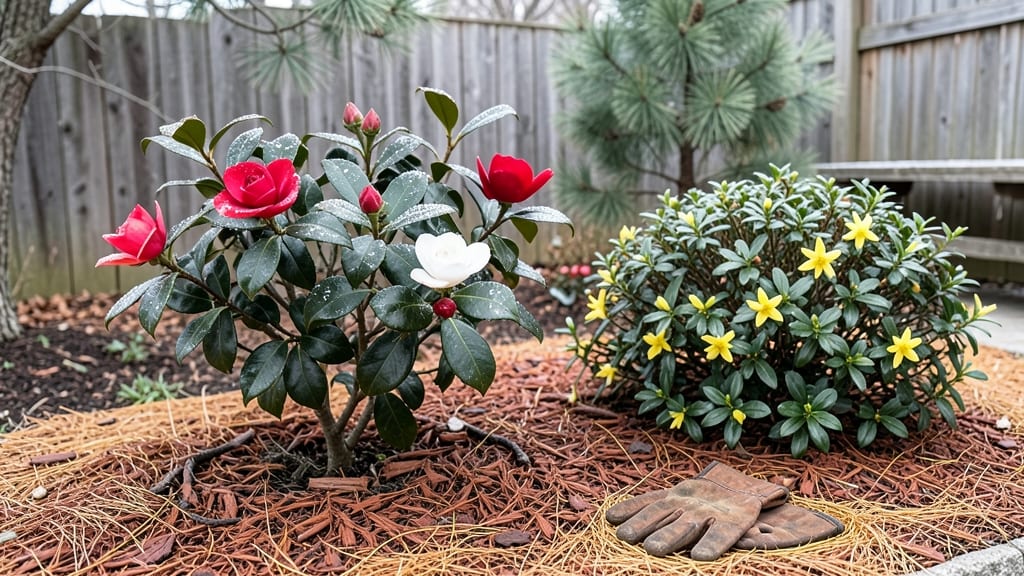
Creating a Georgia winter garden means planting frost-resistant crops like kale, collards, and broccoli, then using protective layers such as row covers or mulch to shield plants from chilly temperatures while keeping the growing season active.
A successful Georgia winter garden thrives on the state's unique USDA Zone 7-8 climate, where temperatures rarely drop below 20°F. 🌱 The key is choosing leafy greens and root vegetables that not only survive but thrive in cooler weather, often producing sweeter flavors than their summer counterparts.
I've found that adding a 2-3 inch layer of straw mulch around plants creates an insulating blanket that maintains soil warmth, while lightweight row covers can raise temperatures by 5-10°F when nighttime lows approach freezing.
This approach extends your harvest window by 2-3 months, giving you fresh greens during Georgia's mild winters when many gardeners face empty plots.
The secret lies in balancing protection with airflow—too much coverage can trap moisture and invite pests, so I recommend using breathable fabric covers during cold snaps and removing them on warmer days for ventilation.
💡 In This Article
- Best Cold-Hardy Vegetables for Georgia’s Mild Winters
- Layering Techniques to Insulate Georgia Winter Gardens
Layering techniques to insulate Georgia winter gardens
Georgia's winter climate—typically USDA Zones 7-8—offers a narrow window where outdoor gardening remains possible, but frost can still damage tender plants. The solution lies in strategic layering that mimics nature's insulation while maintaining airflow.
Row covers made from floating fabric (like Reemay) create a microclimate by trapping heat from the sun while allowing light and moisture to penetrate. These covers can raise soil temperatures by 5-10°F during cold snaps, making the difference between survival and damage for crops like spinach or lettuce.
For raised beds, I recommend combining a 3-inch layer of straw mulch with a lightweight row cover secured with bricks or stakes.
The mulch acts as a thermal blanket, while the cover prevents radiative heat loss to the sky. 🌡️ In-ground gardens benefit from a 4-6 inch layer of shredded leaves or pine straw, which decomposes slowly to enrich soil while insulating roots.
The key is timing—apply mulch before temperatures drop below 40°F to give plants a head start on establishing roots in warmer soil.
Cold frames take protection a step further by creating a mini-greenhouse effect. These low, sloped structures with transparent lids can raise temperatures by 15-20°F on sunny days, making them ideal for overwintering delicate crops like peas or radishes.
I've found that adding a thermometer inside the frame helps monitor conditions—never let temperatures exceed 85°F during daytime, as this can scorch plants. For severe freezes (below 25°F), combine cold frames with row covers for maximum protection.
Airflow is just as critical as insulation. Stagnant air under covers traps moisture, creating ideal conditions for fungal diseases like powdery mildew. I recommend using hoop-style covers with adjustable vents or choosing breathable fabrics rated for 30-50% light transmission.
Remove covers during daytime when temperatures rise above 50°F to allow ventilation and prevent overheating. This balance keeps plants healthy while extending the growing season.
Seasonal adjustments matter too. In Georgia's Zone 7 areas (like Atlanta), you might use row covers from November through March, while Zone 8 regions (like Savannah) can extend gardening until April. Start with lightweight covers in early winter and add thicker layers as temperatures drop.
For example, a single layer of agricultural fleece may suffice in December, but a double layer plus mulch becomes necessary in January.
Don't overlook the soil's role in winter insulation. Amending beds with compost or well-rotted manure before planting improves water retention and provides organic matter that buffers temperature fluctuations. This pre-winter prep ensures roots stay warmer and more resilient against Georgia's occasional cold snaps. 🌱 The result?
A winter garden that not only survives but produces flavorful harvests when others are hibernating.