Planting
Planting herbs in the garden 🌱 is one of the fastest ways to turn your outdoor space into a fragrant, flavorful kitchen—no green thumb required.
Picture this: you snip fresh basil for your pasta or thyme for your roast, all grown in pots on your windowsill or rows in your backyard. The best part? Many herbs thrive with minimal fuss, delivering harvests in as little as 30 days.
Whether you’re a beginner or a seasoned gardener, the right herbs can save you money, reduce waste, and add beauty to your space. Below, I’ll break down the top 15 herbs by growth speed, sunlight needs, and even companion planting tips to maximize your garden’s potential.
From speedy annuals like cilantro to hardy perennials like rosemary, you’ll learn which herbs grow best in your zone, how to keep them thriving, and creative ways to use every leaf—beyond just cooking.


Fast-growing herbs for immediate harvests and culinary use
If you're eager to enjoy fresh flavors from your garden without waiting months, these fast-growing herbs are perfect for your needs. With harvest windows as short as 30-60 days, they're ideal for beginners or those with limited space.
These culinary staples thrive in containers, garden beds, or even windowsills, delivering bold flavors in record time.
I've selected the top five herbs that deliver quick results while being incredibly versatile in the kitchen. Whether you're making pesto, garnishing soups, or adding freshness to salads, these herbs will transform your cooking experience. The best part? They're all easy to grow with minimal fuss.
Basil
Harvest time: 45-60 days | Sun needs: 6+ hours | Key uses: Pesto, salads, pasta
Cilantro
Harvest time: 30-40 days | Sun needs: 4-6 hours | Key uses: Salsas, tacos, curries
Parsley
Harvest time: 40-50 days | Sun needs: 4-6 hours | Key uses: Garnish, soups, garnishes
Dill
Harvest time: 50-60 days | Sun needs: 5-6 hours | Key uses: Pickles, fish dishes, salads
Chives
Harvest time: 35-45 days | Sun needs: 4-6 hours | Key uses: Potatoes, eggs, soups
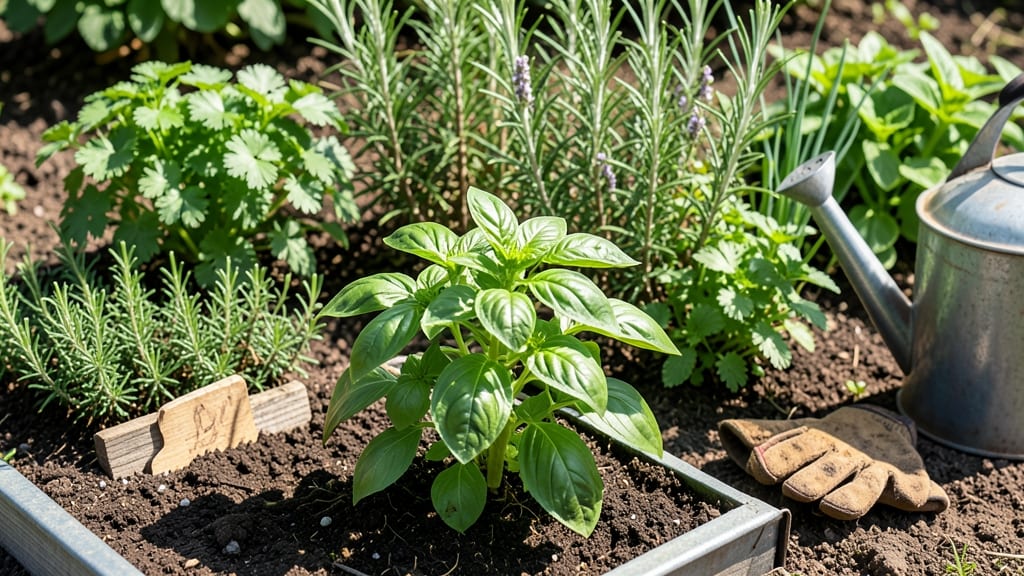
Starting with basil, this sun-loving herb reaches harvestable size in just 45-60 days and thrives in warm weather. For best results, plant seeds directly in well-draining soil after your last frost date.
Pinch back the tops regularly to encourage bushier growth and prevent flowering, which can make the leaves bitter.
My favorite quick harvest is cilantro, which bolts faster than you might expect. To extend your harvest window, plant successive batches every 2-3 weeks throughout the growing season. This herb prefers cooler temperatures, making it perfect for early spring or fall plantings in many climates.
Don't overlook parsley—it's a biennial that produces edible leaves in its first year. While it grows a bit slower than cilantro, you'll still have fresh leaves in about 40-50 days.
I like to grow both flat-leaf and curly varieties for different textures in my dishes. Remember to keep the soil consistently moist for optimal growth.
For a unique flavor profile, try growing dill, which has feathery leaves and yellow flowers. This herb is perfect for pickling or adding to fish dishes. It takes slightly longer to mature—about 50-60 days—but the wait is worth it for its distinctive taste.
Plant dill in full sun and well-drained soil for best results.
Finally, chives are a must-have for quick harvests. These mild onion-flavored herbs regrow after cutting, making them incredibly efficient. You can harvest chives as soon as they reach 6 inches tall, typically within 35-45 days.
They're also one of the few herbs that can tolerate partial shade, making them versatile for various garden locations.
When harvesting these fast-growing herbs, always cut just above a leaf node to encourage new growth. For leafy herbs like basil and parsley, you can harvest individual leaves as needed.
For others like dill and chives, it's often better to cut entire stems. Regular harvesting actually stimulates more production, so don't be shy about snipping!
Pro tip: To maximize your harvest, consider growing these herbs in containers. This gives you the flexibility to move them to optimal sunlight conditions and makes them perfect for balconies or patios. Just ensure your containers have drainage holes and use a high-quality potting mix for best results.
With these fast-growing herbs in your garden, you'll have a steady supply of fresh flavors in no time. The key is consistent care—watering when the top inch of soil feels dry and providing the right amount of sunlight.
In just a few weeks, you'll be harvesting enough to enjoy fresh herbs throughout the growing season.
Slow-growing perennial herbs for year-round garden productivity
If you're dreaming of a garden that keeps giving without annual replanting, slow-growing perennial herbs are your best bet. Unlike their fast-growing cousins, these hardy plants establish roots early and reward you with years of harvests—often with minimal effort.
My top picks—rosemary, thyme, oregano, and mint—thrive in USDA zones 5-9 and handle drought once established. Their aromatic foliage also doubles as natural pest deterrents and pollinator magnets.
What sets these perennials apart is their versatility beyond the kitchen. While we often associate them with cooking, their fragrant oils make them perfect for homemade potpourri, DIY cleaning products, or even companion plantings to repel pests like cabbage moths.
Plus, their woody stems add texture to garden borders or container arrangements. Let’s dive into how to grow and maximize these low-maintenance workhorses.
📌 Key Takeaway: Perennial herbs require patience upfront (6-12 months to mature) but pay off with decades of productivity—some, like rosemary, can live 30+ years with proper care.
| Herb | USDA Zones | Sun Needs | Mature Size | Harvest Time | Creative Uses |
|---|---|---|---|---|---|
| Rosemary | 5-10 | 6+ hours sun | 3-5 ft tall | Year-round (cut back after harvest) | Wreaths, fire starters, air fresheners |
| Thyme | 4-9 | 6+ hours sun | 1-2 ft tall | Spring-fall (dormant winter) | Bee-friendly borders, sachets, pest repellent |
| Oregano | 5-10 | 6+ hours sun | 2-3 ft tall | Summer-fall (regrows from base) | Dried potpourri, natural dye, mulch |
| Mint | 3-11 | 4-6 hours sun | 1-3 ft tall (spreading) | Year-round (harvest before flowering) | Infused oils, pest control, living mulch |
To get started, plant perennials in well-draining soil with 3-4 inches of compost mixed in. They hate soggy roots, so amend heavy clay with sand or gravel.
For containers, use terracotta pots (rosemary loves them) and ensure drainage holes. Mulch annually with straw or pine needles to suppress weeds and retain moisture—critical during their first 2 growing seasons.
Pruning is where these herbs shine. Shear back by 1/3 after harvests to encourage bushiness, but avoid cutting into woody stems (this kills the plant). For mint, contain it in pots or buried barriers—it’s invasive! Deadhead flowers regularly to redirect energy to foliage.
My rosemary bushes now produce year-round after I stopped harvesting flowers last summer—they’ve never looked healthier.
Beyond cooking, repurpose your harvests creatively. Dry thyme sprigs in bundles for potpourri, or steep mint leaves in olive oil for homemade pest-repellent sprays. Oregano’s crushed leaves deter cabbage worms, while rosemary’s woody stems make excellent fire starters.
With these perennials, your garden becomes a self-sustaining ecosystem—not just a kitchen supply closet.