
Advice
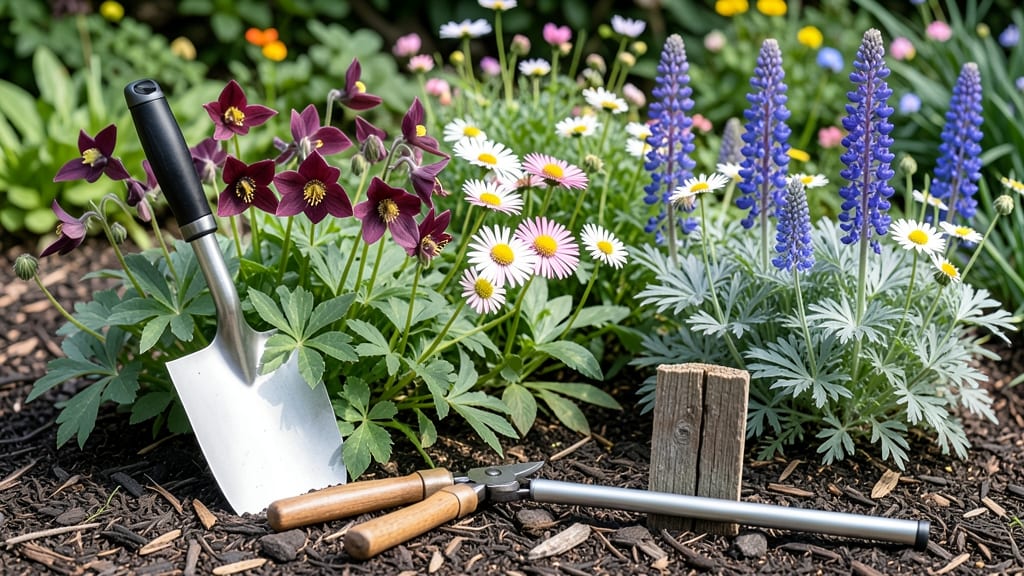
High Country Gardens Nursery offers expert care for drought-tolerant perennials, native plants, and climate-adapted species, with tailored advice on watering, soil prep, and seasonal pruning for high-altitude and arid regions. Their focus on low-maintenance plants makes sustainable landscaping easier than ever.
This Colorado-based nursery stands out by curating plants that naturally thrive in dry conditions, reducing your water bills while keeping your garden vibrant. 🌵 Their growers study regional microclimates to recommend species like Russian sage or blackfoot daisy, which store water efficiently in their deep roots.
What's smart about their approach? They combine beauty with practicality—plants that bloom prolifically even when rainfall is scarce.
For example, their sedum varieties need only occasional watering once established, while native grasses like blue grama create lush textures with minimal care.
The nursery's care guides break down exactly how much water each plant needs (often just 1 inch per week during growing season) and when to prune for best results. This isn't just gardening—it's creating resilient landscapes that work with nature, not against it.
💡 In This Article
- Why High Country Gardens Plants Thrive in Drought
- Step-by-Step Planting Guide for High Country Gardens Selections
Why High Country Gardens plants thrive in drought
High Country Gardens' plant selection is rooted in xeriscaping science—the practice of designing landscapes to reduce or eliminate irrigation needs. Their plants excel because they've evolved with deep root systems that can access moisture 6-12 inches below the surface, far deeper than most ornamental plants.
For example, their Russian sage (Perovskia atriplicifolia) develops roots that reach 3-5 feet deep, while shallow-rooted annuals might only tap into the top 6 inches of soil. This adaptation allows them to survive prolonged dry spells that would stress conventional garden plants.
The nursery focuses on plants with specialized drought-resistant traits like thick, waxy leaves that reduce water loss through transpiration. Consider sedums (Stonecrop), whose fleshy leaves store water like tiny reservoirs. These succulents can lose up to 90% of their water content during drought and revive when moisture returns.
Even their native grasses, like blue grama (Bouteloua gracilis), have rolled leaf blades that minimize evaporation while still creating that signature prairie texture. What's remarkable is how these adaptations maintain vibrant blooms—Russian sage produces lavender-blue flowers from summer to fall with minimal watering.
Another key factor is their ability to thrive in alkaline soils common to high-altitude regions, where pH levels often exceed 7.5-8.5. Most garden plants struggle in these conditions, but High Country Gardens' selections—like blackfoot daisy (Melampodium leucanthum)—have developed natural tolerance.
This daisy's white blooms contrast beautifully against its gray-green foliage while requiring only 1 inch of water per week once established. The nursery's soil prep guides emphasize incorporating composted organic matter to improve drainage without altering pH drastically, creating the perfect foundation for these resilient plants.
What most gardeners don't realize is how these plants actually improve soil health over time. Deep-rooted perennials like yucca (Yucca glauca) break up compacted soil, while native grasses prevent erosion with their extensive root networks. The nursery's care tips highlight how these ecological benefits create a self-sustaining garden ecosystem.
For instance, their purple coneflower (Echinacea) attracts pollinators while its deep taproot brings up nutrients from lower soil layers, enriching the garden naturally.
Seasonal timing plays a crucial role in their drought resilience. Many High Country Gardens plants enter dormancy during hot, dry summers and regrow when temperatures drop, a strategy called summer dormancy.
This is why their planting guides recommend establishing plants in early spring or fall—giving roots 4-6 weeks to establish before summer heat arrives.
During this critical period, they suggest using mulch (2-3 inches) to retain moisture while keeping soil temperatures stable, a technique that can reduce water needs by up to 30%.
The science behind their plant selection extends to their ability to handle temperature fluctuations common to mountain climates. Many species, like beebalm (Monarda), have developed heat-resistant foliage that prevents wilting even when daytime temperatures reach 95°F.
Their care guides explain how these plants regulate internal water pressure through specialized cells called bulkhead cells, which maintain turgor (rigidity) even under stress. This biological mechanism is what allows their gardens to remain lush and colorful with 50-70% less water than conventional landscapes.