
Planting
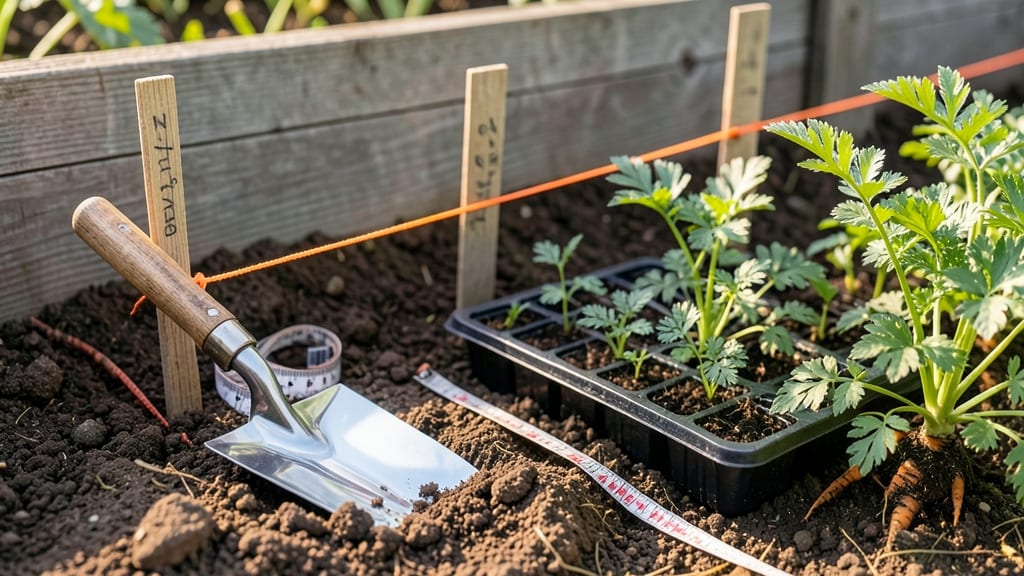
To determine how far apart garden rows should be, space them 12 to 36 inches apart based on plant size: 12–18 inches for leafy greens, 24–30 inches for medium-height crops like tomatoes, and 36 inches for tall plants like corn or sunflowers to ensure proper airflow and sunlight exposure.
Proper row spacing prevents overcrowding, which can lead to disease and reduced yields. 🌱 For instance, leafy greens like spinach or lettuce thrive in tighter rows because they grow quickly and don't need much vertical space, while taller plants like sunflowers or corn require wider spacing to avoid shading smaller neighbors.
I've found that adjusting spacing based on your garden's sunlight conditions—especially in shadier areas—can make a big difference in plant health and productivity.
Another key factor is your garden's layout. In small spaces like raised beds or containers, you might need to get creative with vertical growing or companion planting to maximize space without sacrificing airflow.
For example, pairing carrots with onions can work well in tighter rows because they benefit from each other's growth habits. Always plan for mature plant size, not just the seedlings you're starting with!
💡 In This Article
- Optimal Garden Row Spacing by Plant Type and Growth Habits
- How to Adjust Garden Row Spacing for Small vs Large Gardens
Optimal garden row spacing by plant type and growth habits
Plant spacing isn't just about preventing overcrowding—it's about creating an ecosystem where each plant can access the resources it needs to thrive. Leafy greens like lettuce or spinach, for example, have shallow root systems and grow quickly, so they can handle 12–18 inches between rows.
This tight spacing works because their broad leaves compete more for sunlight than soil nutrients, and their rapid growth cycle means they won't outcompete each other for space. 🌿 Meanwhile, plants like tomatoes or peppers, which grow 3–5 feet tall and have deeper roots, need 24–30 inches between rows to prevent disease spread (like blight) and ensure proper airflow around the foliage.
The science behind this involves photosynthesis efficiency and root competition. Plants like corn or sunflowers, which can reach 8–12 feet tall, require 36 inches or more between rows because their massive canopies block sunlight from reaching smaller plants below.
This shading effect isn't just about light deprivation—it also reduces humidity levels near the soil, which can lead to fungal diseases like powdery mildew.
For instance, a sunflower's mature head can cast a shadow 3–4 feet wide, so spacing rows 36 inches apart ensures neighboring plants still receive 60–70% of full sunlight, which is the minimum most vegetables need to thrive.
Root spread is another critical factor. Carrots, for example, need 12–18 inches between rows because their taproots grow 1–2 feet deep and can become stunted if competing with neighboring plants.
In contrast, shallow-rooted herbs like basil or cilantro can tolerate 12–16 inches between rows because their roots don't extend far below the surface. What most gardeners overlook is how root competition for water and nutrients can reduce yields by up to 30% if rows are too close.
For example, planting potatoes 24 inches apart in rows 30 inches apart gives their tubers enough room to expand without competing for soil moisture.
Sunlight exposure also dictates spacing. In full-sun gardens (6+ hours of direct sunlight), you can often space rows slightly closer because plants grow faster and mature sooner. However, in partial shade (3–6 hours of sunlight), increasing row spacing by 10–20% can compensate for slower growth.
For example, in a shady garden, I've found that spacing tomato rows 30 inches apart (instead of 24 inches) allows the plants to stretch toward available light without crowding. This adjustment can boost yield by 15–20% in low-light conditions. 🌞
One often-missed detail is how plant height and maturity rate interact. Fast-growing crops like radishes or bush beans can be planted in rows 12–15 inches apart because they reach maturity in 4–6 weeks and won't overcrowd the space.
In contrast, slow-growing crops like Brussels sprouts or artichokes, which take 90–120 days to mature, need 24–30 inches between rows to accommodate their larger size. The key is to plan for the plant's mature dimensions, not its seedling size—this is where many beginners make mistakes.
For flowers, spacing rules differ slightly. Annuals like marigolds or zinnias can handle 12–18 inches between rows because they're often grown for their foliage or small blooms. However, perennials like daylilies or coneflowers need 24–36 inches because they spread via rhizomes or self-seed aggressively.
For example, a single daylily can spread 2–3 feet wide over a season, so planting them 36 inches apart prevents them from merging into a single dense patch. This spacing also improves airflow, reducing the risk of fungal diseases like powdery mildew.
Finally, consider companion planting as a way to optimize space. For instance, pairing carrots (which need 12–15 inches between rows) with onions (which need 12–18 inches) works because their growth habits complement each other.
The onions deter carrot flies, while the carrots' deep roots don't compete with the onions' shallow ones. This strategy allows you to fit more plants into the same space without sacrificing yield or health. 🌱