
How To
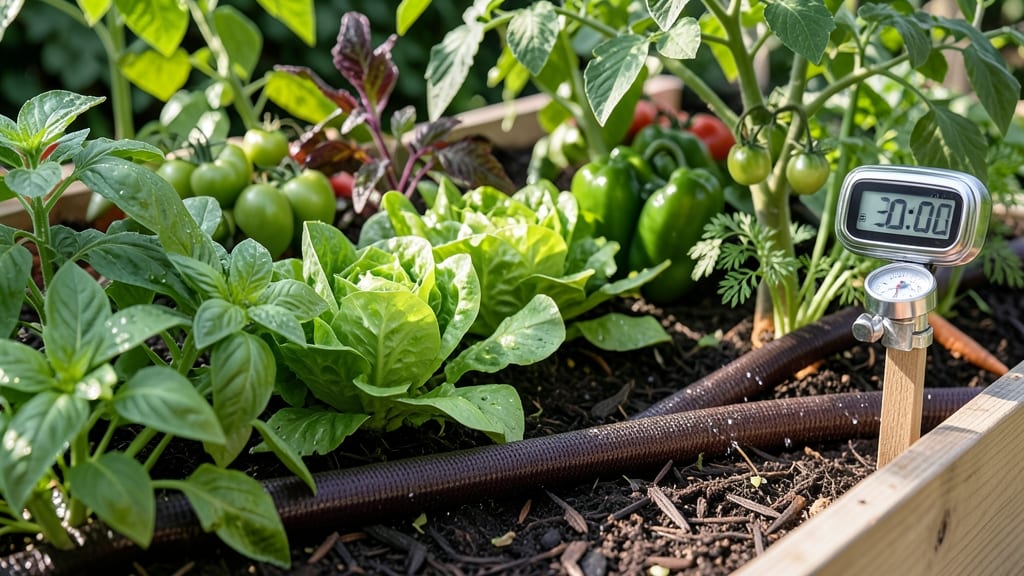
Leaving a soaker hose on your vegetable garden for the right amount of time ensures deep, even hydration without drowning roots or wasting water.
Struggling to balance overwatering and underwatering with your 🥕? Precision timing can make all the difference—here’s how to master it for lush, thriving plants without waste.
Most vegetables need 1 to 2 inches of water per week, but soil type and plant needs change everything. Sandy soil drains fast, while clay holds moisture longer—so timing shifts based on what’s growing and how dry the ground feels.
In this guide, I’ll break down exact durations by plant type, how to adjust for weather, and the 3 biggest mistakes that ruin efficiency. No more guesswork—just consistent, healthy growth.
Soaker hose watering time by vegetable type: exact guidelines for optimal growth
Mastering your soaker hose timing is the secret to a thriving vegetable garden. Unlike overhead sprinklers, soaker hoses deliver water directly to the roots where it matters most. But how long should you leave it running?
The answer depends entirely on your plant type, soil composition, and growth stage. For example, leafy greens like spinach and lettuce need frequent, shallow watering, while root vegetables such as carrots and potatoes require deep, infrequent soaking to prevent splitting.
Most gardeners make the mistake of using a one-size-fits-all approach, which can lead to either wilting plants or waterlogged soil. The key is understanding each vegetable's unique hydration needs. A soaker hose should typically run for 15-45 minutes per zone, but this varies dramatically.
For instance, tomatoes and peppers need consistent moisture, while onions and garlic prefer drier conditions once established. Let's break down the exact timing for each category.
🌱 Pro Tip: Always water in the early morning (between 6-10 AM) to minimize evaporation and fungal risks. Avoid evening watering, which can leave foliage damp overnight.
| Vegetable Type | Soaker Hose Time (Minutes) | Frequency | Soil Moisture Check | Notes |
|---|---|---|---|---|
| Leafy Greens (Lettuce, Spinach, Kale) | 15-25 minutes | Daily (young plants), Every Other Day (mature) | Top 1-2 inches dry | Keep soil consistently moist; avoid soggy roots |
| Root Vegetables (Carrots, Potatoes, Beets) | 30-45 minutes | Every 3-4 days (deep watering) | Top 3-4 inches dry | Prevents cracking; water deeply but infrequently |
| Fruiting Plants (Tomatoes, Peppers, Cucumbers) | 25-40 minutes | Every 2-3 days (flowering/fruiting stage) | Top 2-3 inches dry | Critical during fruiting; avoid wetting leaves |
| Onions, Garlic, Shallots | 10-20 minutes | Every 4-5 days (reduce after bulbing) | Top 1 inch dry | Drier soil prevents rot; taper water as bulbs form |
| Herbs (Basil, Cilantro, Parsley) | 15-25 minutes | Every 2-3 days | Top 1-2 inches dry | Basil loves moisture; cilantro prefers drier soil |
For leafy greens, the goal is to keep the soil consistently moist without waterlogging. A soaker hose running for 15-25 minutes daily (or every other day for mature plants) ensures they stay crisp and vibrant.
Test soil moisture by sticking your finger 1-2 inches deep—if it feels dry, it's time to water again. Overwatering here can lead to yellowing leaves or fungal diseases like powdery mildew.
Root vegetables like carrots and potatoes need a different approach. These crops thrive with deep, infrequent watering to encourage root penetration. Run your soaker hose for 30-45 minutes every 3-4 days, focusing on the root zone. The key is to satur
How to adjust soaker hose time based on soil dryness and weather conditions
Mastering your soaker hose schedule means understanding how soil dryness and weather patterns impact your vegetable garden's hydration. Too little water stresses plants, while too much causes root rot and wasted resources. The key lies in reading your garden's signals and adjusting your timer accordingly.
Start by testing your soil moisture before each watering session. Stick your finger about 1 inch deep—if it feels dry, your plants need water. For sandy soil, which drains quickly, you may need shorter watering sessions more frequently.
In contrast, clay soil holds moisture longer, requiring longer but less frequent soaker hose runs.
Never leave your soaker hose running for more than 2 hours at a stretch unless you're dealing with extreme drought or sandy soil. Most vegetable gardens thrive with 30-60 minutes of soaker hose time, delivering 1-2 inches of water per week. Check for puddling—if water pools, reduce time by 20-30% to prevent runoff.
Temperature and humidity play crucial roles in your watering schedule. On hot, dry days (above 85°F), increase your soaker hose time by 25-50% to compensate for rapid evaporation. Conversely, on humid days or when temperatures drop below 60°F, reduce time by 30% to avoid soggy soil.
Use a weather app to track daily conditions and adjust accordingly.
Morning watering is ideal because it allows roots to absorb moisture before the heat of the day. If you must water in the evening, limit your soaker hose to 45 minutes or less to minimize fungal risks.
Always water at the base of plants to encourage deep root growth—avoid wetting foliage unless it's a leafy green like lettuce or spinach.
Pay attention to your plants' growth stages. Seedlings need gentle, frequent moisture (20-30 minutes every other day), while established plants can handle longer, deeper waterings (45-60 minutes every 3-5 days).
Root crops like carrots and potatoes benefit from consistent moisture, while fruiting plants like tomatoes and peppers need slightly drier soil to prevent cracking.
Fine-tune your schedule by observing your garden's response. Yellowing leaves may signal overwatering, while wilting or crispy edges indicate underwatering. Keep a watering journal to track what works best for your specific soil type and microclimate.
With practice, you'll develop an intuitive sense of when to extend or shorten your soaker hose sessions for a thriving vegetable garden.