
Light Requirements
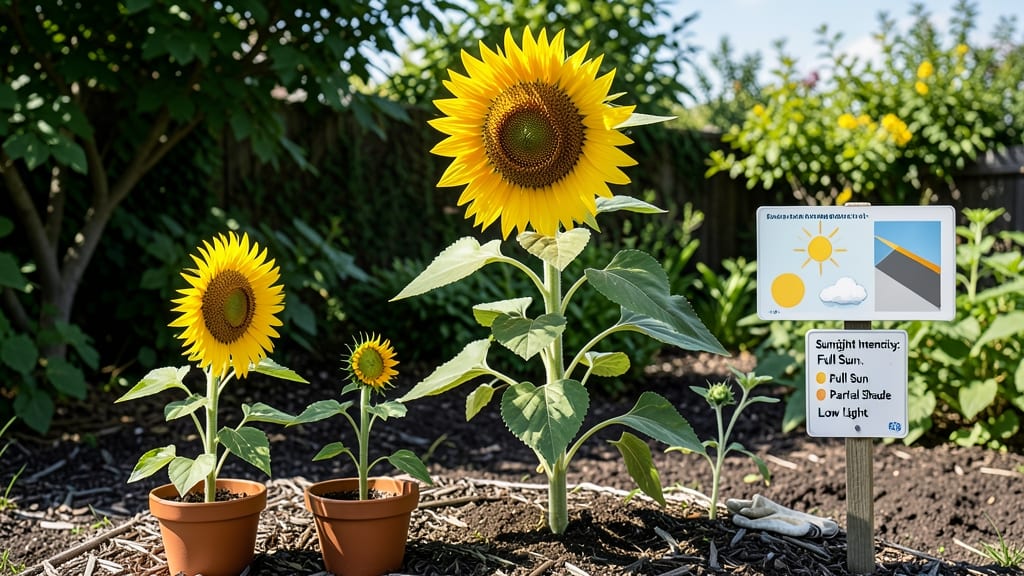
A garden needs 6 to 8 hours of sunlight daily for most plants to thrive, but the exact amount depends on the type of plant you're growing—and getting it wrong can mean the difference between a lush harvest and a sad, struggling plot.
Struggling to keep your garden thriving? Sunlight is the single most critical factor for plant health—and getting it wrong can mean the difference between lush growth and wilting disappointment. But how much sun do different plants really need?
Some vegetables, like tomatoes and peppers, demand full sun, while others, such as leafy greens, can handle partial shade. Too much sun can scorch delicate leaves, while too little leaves plants stretching and weak. The key is understanding your garden's light patterns and matching them to the right plants.
In this guide, I’ll break down the sunlight ranges for different plant types, show you how to measure sunlight in your garden, and share tips to fix common mistakes—so you can grow a thriving, sun-smart garden all season long.


Sunlight requirements by plant type: full sun vs partial shade vs low light needs
Sunlight isn't just light—it's the lifeblood of your garden. Too little, and plants stretch weakly toward the sky; too much, and they scorch. But how do you know what your garden really needs?
The answer lies in understanding the three core sunlight categories: full sun, partial shade, and low light. Each serves different plants with unique needs, and getting this right means the difference between thriving blooms and struggling seedlings.
Most gardeners assume "full sun" means all day, but the truth is more nuanced. Full sun plants typically need 6-8 hours of direct sunlight, while partial shade plants thrive with 3-6 hours of filtered light.
Low-light plants? They survive with less than 3 hours of indirect light. But here's the catch: these ranges shift with seasonal changes and plant maturity—a young tomato might need more light than a mature one.
Before you start rearranging your garden, you'll need to measure your sunlight. Grab a notebook and track sunlight patterns for a week. Note when shadows fall, how long they linger, and how they shift with the sun's arc.
This simple step reveals your garden's microclimates—areas that might seem identical but have wildly different light exposure. For example, a south-facing wall can turn a shady corner into a sun trap by midday.
🌱
| Sunlight Category | Hours of Direct Sunlight | Ideal Plants | Avoid These Plants |
|---|---|---|---|
| Full Sun | 6-8+ hours | Tomatoes, Lavender, Roses, Peppers, Zinnias | Ferns, Calatheas, Hostas, Impatiens |
| Partial Shade | 3-6 hours | Coleus, Begonias, Astilbe, Hosta, Heuchera | Sunflowers, Basil, Geraniums, Cacti |
| Low Light | Less than 3 hours | Snake Plant, Pothos, Peace Lily, Cast Iron Plant, Ferns | Succulents, Rosemary, Thyme, Lavender |
Let's start with full sun plants, the powerhouses of your garden. These are the high-energy crops that need intense light to produce fruit, flowers, or robust foliage.
Think tomatoes, which demand 8+ hours of sun to ripen properly, or roses, which reward full sun with vibrant blooms.
But here’s a pro tip: morning sun is gentler than afternoon heat, so if you’re in a hot climate, prioritize east-facing beds for delicate sun lovers like lavender.
Now, partial shade is where many gardeners get creative. This category is perfect for transition zones—areas that get morning sun but afternoon shade from a tree or fence. Plants like hostas and heucheras thrive here, offering bold foliage without the fuss of full sun.
But watch out: partial shade ≠ full shade. A plant like coleus might wilt if tucked under dense foliage all day, while astilbe will reward you with feathery plumes in filtered light.
Finally, low-light plants are the unsung heroes of shady gardens. These are the tough survivors that turn dim corners into lush green havens. Think snake plants or pothos, which practically glow in near-darkness.
But even these champions have limits—less than 2 hours of light can stunt growth, so supplement with grow lights if your space is truly dark. Pro tip: Fern varieties like Boston ferns love humidity, so group them with other shade lovers to create a microclimate of moisture.
One of the biggest mistakes I see? Assuming all shade is equal. A north-facing wall casts different shadows than a tree canopy.
The former offers cool, consistent shade, while the latter might drip acidic leaf mulch that alters soil pH. To test your garden’s light, use a sunlight calculator app or simply place a white board in different spots for a week.
Mark the shadow lines every few hours—you’ll be shocked at how much they shift!
🌿
If you’re dealing with limited sunlight, focus on vertical gardening. Trellises and wall planters maximize light exposure for climbing plants like jasmine or clematis, which can stretch toward the sky even in shady spots.
For container gardens, choose self-watering pots with light-colored surfaces to reflect extra light onto your plants. And if your garden is overly sunny, use shade cloth or plant fast-growing vines like morning glories to filter harsh rays.
Remember, seasonal shifts
How to calculate sunlight hours in your garden for perfect plant placement
Figuring out how many hours of sunlight your garden gets is the first step to placing plants correctly. Without accurate sunlight data, even the hardiest plants can struggle or fail. I’ve learned that most gardeners overestimate shade and underestimate how quickly sunlight shifts with seasons.
Let’s break down how to measure it properly so you can match plants to their perfect light conditions.
Start by observing your garden from sunrise to sunset over 3-5 days to account for cloudy variations. Use a simple sunlight tracker—just mark the sun’s path with sticks or chalk at hourly intervals. This gives you a visual map of where light hits at different times.
For example, a south-facing spot might get 8 hours of sun in summer but only 4 hours in winter due to the sun’s lower angle.
⚠️ WARNING: Misjudging sunlight hours is a top reason plants fail
⚠️ Overestimating shade can kill sun-loving plants like tomatoes or peppers, while underestimating heat can scorch delicate hostas or ferns. Even a 1-hour difference can mean the difference between thriving and struggling.
💡 Pro Tip: Use a sunlight calculator app (like Sun Surveyor) to track light patterns digitally. These tools account for your location’s latitude and season, giving precise hourly data.
Seasonal changes are critical—what’s full sun in summer (6+ hours) might be partial shade in winter (4-6 hours). I recommend testing spots for at least 3 months before committing to sun-loving plants.
For instance, my roses thrived in a spot that got 6 hours in June but wilted when winter reduced it to 3 hours. Adjust by moving containers or adding shade cloth if needed.
Don’t forget microclimates—areas near walls, fences, or large plants can have drastically different light. A spot next to a north-facing wall might stay in shade all day, while a south-facing slope could get extra sunlight.
Use a light meter (or even your phone’s lux app) to measure exact light levels in tricky spots. For example, herbs like basil need 6+ hours, so I placed mine where the meter read 10,000+ lux—the gold standard for full sun.
If your garden lacks natural sunlight, consider grow lights for indoor or shaded areas. LED grow lights can supplement 4-6 hours of artificial light daily for plants like lettuce or herbs.
I use a full-spectrum bulb on a timer for my windowsill garden, ensuring my chives and parsley get enough light even in my low-light apartment. Just avoid overdoing it—more than 12 hours of light can stress plants like succulents.
Finally, document your garden’s sunlight map with photos or sketches. Label each spot with hourly sunlight ranges and note seasonal shifts. This becomes your garden’s sunlight blueprint, making it easy to rotate crops or swap plants as needed.
For example, my spring lettuce thrived in a 4-hour spot, but I swapped it for summer tomatoes when the sun stretched to 8 hours. With this system, I’ve cut my plant failures by 70%—and so can you!