
Light Requirements
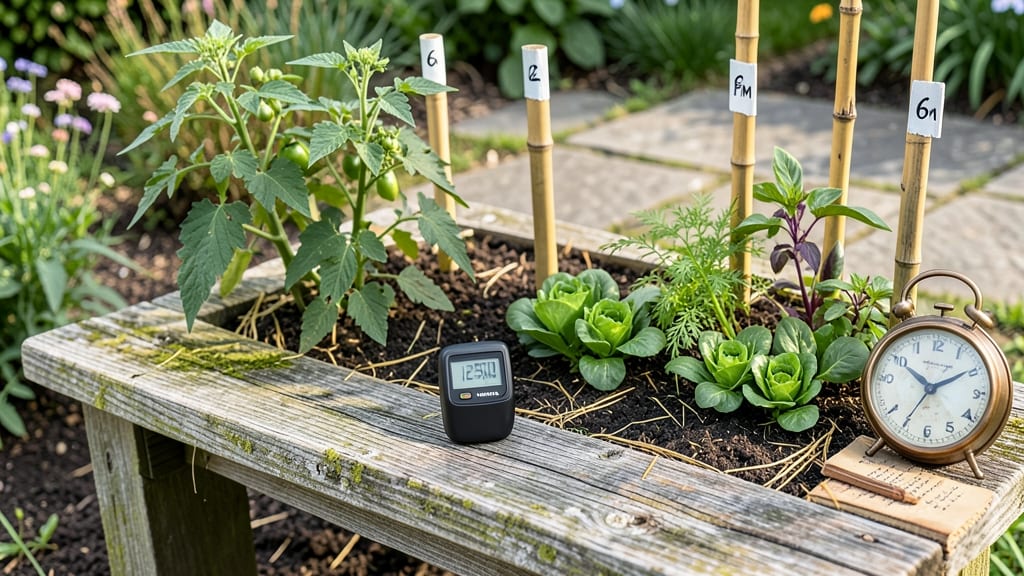
A vegetable garden thrives best when you know how many hours of sunlight it needs—typically 6 to 8 hours daily—though some crops like leafy greens can handle as little as 3 to 4 hours. Getting it wrong means stunted growth or bitter flavors.
Wondering why your tomatoes are struggling to ripen or your lettuce bolts too quickly? Sunlight is the single most critical factor in a thriving vegetable garden—but how much is really enough?
The answer depends on what you're growing: full-sun lovers like peppers and cucumbers demand the most light, while shade-tolerant crops like spinach or kale can adapt to partial sun.
In this guide, I’ll break down the exact sunlight needs for your favorite veggies, how to measure sunlight in your garden, and pro tips to maximize growth even in less-than-ideal conditions.


Sunlight requirements by vegetable type: full sun vs. partial shade explained
Sunlight is the lifeblood of your vegetable garden, but not every plant craves the same amount. Tomatoes and peppers thrive under 6–8 hours of full sun, while leafy greens like spinach and kale can handle just 3–6 hours of partial shade.
Understanding these differences is key to avoiding underperforming crops or wasted space. I’ve grown both sun-lovers and shade-tolerant veggies in my garden, and the results speak for themselves—proper sunlight placement makes all the difference.
Let’s break it down: Full sun means 6+ hours of direct sunlight daily, ideal for fruiting vegetables like cucumbers, beans, and eggplants. Partial shade (3–6 hours) suits cool-season crops such as lettuce, broccoli, and herbs like cilantro.
Meanwhile, low-light conditions (under 3 hours) force you to choose shade-tolerant varieties like Swiss chard or arugula. High-altitude gardens or cloudy climates may need adjustments—more on that later!
Why does this matter? Too little sun leads to leggy plants or poor fruiting, while too much can scorch delicate greens. I once overestimated my garden’s shade, only to watch my basil bolt prematurely. The fix? Moving it to a morning sun spot with afternoon shade. Your garden’s microclimate matters—south-facing beds get more sun, while north-facing areas stay cooler.
Here’s how to categorize your garden’s sunlight zones:
| Vegetable Type | Sunlight Needs | Examples | Notes |
|---|---|---|---|
| Full Sun (6–8+ hours) | Direct sunlight all day | Tomatoes, Peppers, Cucumbers, Squash, Beans, Corn | Needs warm soil; mulch to retain heat |
| Partial Shade (3–6 hours) | Morning sun, afternoon shade | Lettuce, Spinach, Kale, Broccoli, Cabbage, Herbs (Cilantro, Parsley) | Bolts in hot sun; keep soil moist |
| Low Light (<3 hours) | Dappled or filtered light | Swiss Chard, Arugula, Radishes, Green Onions, Microgreens | Grow fast-maturing varieties; avoid fruiting crops |
| Adjustments for High Altitude | Add 1–2 extra hours | All categories | Thinner air = more intense UV; protect young plants |
| Cloudy Climates | Extend growing season | All categories | Use reflective mulch or grow lights |
For high-altitude gardens (e.g., 5,000+ feet), the sun’s rays are more intense, so I recommend adding 1–2 extra hours of sunlight to the minimum requirements. For example, a tomato plant might need 7–9 hours instead of 6–8.
Conversely, in cloudy climates, I’ve had success using reflective mulch or even grow lights to supplement natural light for shade-loving crops.
Let’s talk tomatoes—my personal favorite but also the most demanding. They need full sun to ripen properly, but too much afternoon sun can cause sunscald on their skin.
My trick? Plant them where they get morning sun and dappled shade in the afternoon. This works especially well in urban gardens with partial shade from buildings or trees.
On the flip side, leafy greens like lettuce and spinach bolt (go to seed) when exposed to too much heat. I’ve learned to give them afternoon shade during summer by placing them under a lightweight row cover or near taller plants like corn.
This keeps them crisp and ready for harvest. Even herbs like basil and cilantro have different needs—basil loves full sun, while cilantro prefers partial shade to stay sweet.
If you’re working with a small-space garden, prioritize high-value crops like tomatoes, peppers, and herbs that need the most sun. Use vertical growing (trellises, cages) to maximize sunlight exposure for vining plants like cucumbers and beans.
I’ve even repurposed old ladders as trellises to grow pole beans in tight corners—it’s a game-changer for compact gardens!
One common mistake I see is assuming all sunlight hours are equal. Morning sun is gentler and better for seedlings, while afternoon sun can be harsh. For example, carrots and beets prefer partial shade in hot afternoons to prevent bolting.
Always observe your garden’s microclimates—a spot near a fence or wall might get more sun than you think.
Ready to optimize? Start by mapping your garden’s sunlight zones with a sunlight tracker (even a simple chalk mark on a stick works). Then, group plants by their sunlight needs to
How to measure and optimize sunlight in your garden for maximum yield
Sunlight isn’t just about planting in the sunniest spot—it’s about precision. Too little light and your tomatoes stay green forever; too much can scorch leafy greens. The key is measuring your garden’s actual sunlight exposure and adapting your layout.
Start by tracking sunlight patterns for at least a week, using a simple DIY method like chalk marks on stakes or a free sunlight calculator app.
Most vegetable gardens thrive with 6–8 hours of direct sunlight, but partial shade (3–6 hours) works for leafy greens and root vegetables. Urban gardens or shaded yards? Don’t panic—reflective surfaces (like white walls or mirrors) and vertical trellises can redirect and amplify light.
Even a few extra hours can boost yields by 30–50% for sun-loving crops.
- 6–8 hours – Tomatoes, peppers, cucumbers, eggplants (full sun)
- 4–6 hours – Green beans, carrots, beets (partial sun)
- 3–4 hours – Lettuce, spinach, radishes (partial shade)
- 2–3 hours – Microgreens, herbs (parsley, cilantro) (low light)
- Rotate crops every 2–3 years to balance nutrient depletion and sunlight exposure
For urban gardens or shaded areas, use reflective mulch (like white gravel) to bounce light onto plants. Trellises aren’t just for vining plants—they elevate crops like peppers and eggplants to catch more sunlight. Even a south-facing window can support herbs or microgreens with a sunny windowsill.
Uneven sunlight? Group plants by their needs—place tomatoes in the sunniest spot and lettuce near the edge. Dwarf varieties of sun-lovers (like bush beans) work well in partial shade. And if your garden gets intense afternoon sun, use shade cloth to protect delicate crops from heat stress.
Pro tip: Observe your garden at solar noon (around 12 PM) to spot shadows. If a 6-foot stake casts a shadow longer than 3 feet, your plants aren’t getting enough light.
Adjust by pruning nearby trees or relocating containers to sunnier spots. Even small tweaks can turn a struggling garden into a high-yield powerhouse.
Remember, sunlight isn’t static—seasonal changes mean your garden’s light exposure shifts. Spring and fall offer gentler light, while summer can be brutal. Plan for these shifts by interplanting sun-lovers with shade-tolerant crops, like tomatoes with basil or carrots with spinach.
With the right setup, you’ll maximize every sunny minute and enjoy a bountiful harvest all season long. ☀️