
Light Requirements
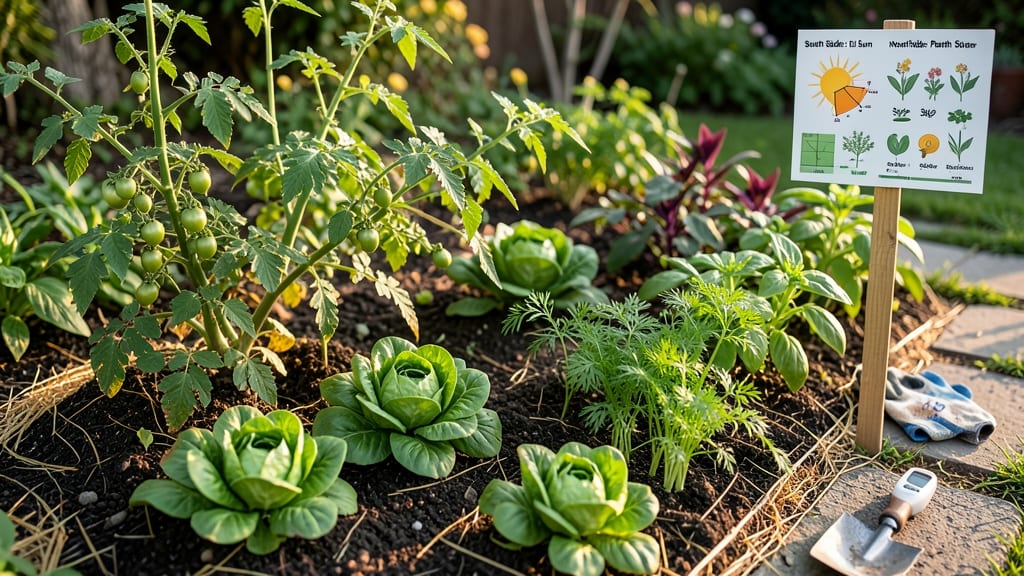
A vegetable garden needs 6 to 8 hours of direct sunlight daily to thrive, but many gardeners accidentally starve their plants by planting them in the wrong spots.
Picture this: your tomatoes are sprawling but fruitless, your lettuce bolts to seed by noon, and your peppers look more like weeds than plants. That’s not just bad luck—it’s a sunlight mismatch, and the fix is simpler than you think.
With the right placement, you can turn those struggles into a bountiful harvest.
Not all vegetables are created equal when it comes to sun. Leafy greens like spinach and kale can handle 4 to 6 hours, while heavy feeders like tomatoes, peppers, and cucumbers demand full sun to produce well.
Even a 2-hour difference can mean the difference between a thriving plant and a sad, underperforming one.
In this guide, I’ll break down the exact sunlight needs for your favorite crops, show you how to assess your garden’s light conditions, and share pro tips to maximize every ray for a more productive, easier-to-maintain vegetable garden this season.

Sunlight requirements by vegetable type: full sun vs partial shade breakdown
Understanding sunlight requirements for your vegetable garden is the first step to avoiding common mistakes like leggy tomatoes or bitter lettuce. Most vegetables thrive with 6-8 hours of direct sunlight, but some—like leafy greens—can handle partial shade.
The key is matching each plant's needs to your garden's microclimates. For example, a south-facing bed gets more intense sunlight than an east-facing one, which affects how you arrange crops.
Plant tags often use vague terms like "full sun" or "partial shade," but these can mean different things depending on your USDA hardiness zone. In Zone 5, "full sun" might mean 6 hours of sunlight, while in Zone 9, it could require 8+ hours due to higher temperatures.
Always check the minimum sunlight hours listed on seed packets or plant labels, as this is non-negotiable for optimal growth.
| Vegetable Type | Sunlight Needs | Daily Hours | Examples | Notes |
|---|---|---|---|---|
| Full Sun Lovers | 6-8+ hours | 6-10 | Tomatoes, Peppers, Cucumbers, Eggplants, Corn, Squash | Needs intense light for fruiting; leggy growth = poor yields |
| Partial Shade Tolerant | 3-6 hours | 4-6 | Leafy Greens, Lettuce, Spinach, Kale, Swiss Chard, Radishes | Too much sun = bolting; too little = slow growth |
| Low Light Adaptable | 2-4 hours | 3-4 | Green Onions, Arugula, Microgreens, Bush Beans (in cool climates) | Best for shaded patios or north-facing beds |
| Seasonal Adjustments | Varies | N/A | Carrots, Beets, Parsnips | Plant in spring/fall for cooler temps; avoid summer heat |
Let’s start with full sun vegetables, which are the most demanding. Tomatoes, peppers, and cucumbers need 8+ hours of direct sunlight daily to produce fruit. Without enough light, they’ll grow tall and spindly with few tomatoes or peppers.
Place these near your garden’s sunniest spot, like a south-facing fence or trellis. If your space is limited, consider container gardening with large pots that can be moved to follow the sun.
For partial shade vegetables, think of leafy greens like lettuce and spinach. These thrive with 4-6 hours of sunlight and can even tolerate morning shade. Too much sun will cause them to bolt (go to seed) prematurely, turning bitter.
Use these in areas with afternoon shade, like under a drip irrigation line that provides some cover. Swiss chard and kale are also great for partial shade, especially in hot climates where they’ll appreciate relief from midday heat.
Don’t overlook low-light vegetables, which are perfect for shady spots like under trees or on north-facing walls. Green onions and arugula grow well with just 3-4 hours of sunlight, making them ideal for container gardens on balconies or patios.
Even bush beans can tolerate partial shade in cooler climates, though they’ll produce more in sunnier spots. These crops are your best bet for maximizing space in areas where full sun isn’t available.
One common mistake is assuming all sunlight hours are equal. Morning sun (6 AM–12 PM) is gentler and better for most plants, while afternoon sun (12 PM–6 PM) can scorch delicate leaves. If your garden has afternoon shade, prioritize planting heat-tolerant crops like okra or sweet potatoes in those spots.
Conversely, if your space gets intense morning sun, pair it with afternoon shade crops like bok choy or mustard greens.
Adjusting for your climate zone is crucial. In USDA Zone 10, where summers are long and hot, even "full sun" plants might need afternoon shade to prevent wilting.
Meanwhile, in Zone 4, you can stretch sunlight hours by planting cool-season crops like peas or radishes in early spring or late summer when days are shorter. Always check your local frost dates and plan accordingly—some crops, like spinach,
How to adjust sunlight exposure for different garden layouts and seasons
Your garden’s sunlight isn’t static—it shifts with the seasons and your layout. In spring and summer, long days mean 6-8+ hours of sun for most vegetables, but fall and winter cut exposure in half.
Even a raised bed in your backyard can become a shade trap if you don’t plan ahead. The key? Understanding how to rotate crops, use reflective surfaces, and choose shade-tolerant varieties for tricky spots.
Start by mapping your garden’s sunlight patterns with a sunlight audit. Use a sun calculator app or mark your space every 2 hours from sunrise to sunset.
Note where shadows fall from trees, fences, or buildings—these areas will need shade-loving crops or creative solutions like reflective mulch or mirror panels to bounce extra light onto containers or raised beds.
🌱 Sunlight Needs by Garden Layout
| Layout Type | Sunlight Goal | Adjustment Tips |
|---|---|---|
| Raised Beds | 6-8+ hours | Rotate crops yearly; use light-colored mulch to reflect sun. |
| Containers | 4-6 hours | Place on wheels for seasonal sun tracking; use dwarf varieties. |
| Small Spaces | 3-5 hours | Prioritize vertical gardening; choose shade-tolerant greens like spinach. |
| Shady Areas | 2-4 hours | Plant leafy greens or herbs; trim overhanging branches. |
💡 Pro Tip: In winter, supplement with a grow light for 4-6 hours daily to extend the growing season.
For raised beds, the solution is simple: rotate crops annually to prevent soil depletion and adjust sunlight exposure. Plant sun-loving tomatoes and peppers where last year’s shade-tolerant lettuce grew.
If your bed is in partial shade, opt for bush beans or Swiss chard, which thrive with 4-6 hours of sun. In containers, mobility is your friend—move pots to sunnier spots as the sun shifts southward in winter or northward in summer.
Seasonal shifts demand flexible planning. In spring and summer, prioritize full-sun crops like cucumbers and squash in the hottest spots, while saving partial shade areas for basil or kale.
By fall, when days shorten, switch to cool-season crops like spinach or radishes that tolerate 3-4 hours of sun. In winter, focus on hardy greens or use a cold frame to extend sunlight exposure.
Don’t overlook microclimates—a south-facing wall can create a sun trap, while a north-facing corner may stay in shade all day. Use reflective surfaces, like white gravel or aluminum foil-wrapped stakes, to redirect sunlight into shady corners.
For buildings or trees casting long shadows, plant fast-growing annuals in the spring that you can harvest before shade intensifies in late summer.
Even the most sun-starved garden can produce a bounty with the right approach. Start by auditing your space, then adjust layouts seasonally and choose crops wisely. With these strategies, you’ll turn every inch—from raised beds to balcony containers—into a high-yielding oasis. 🌿