Watering
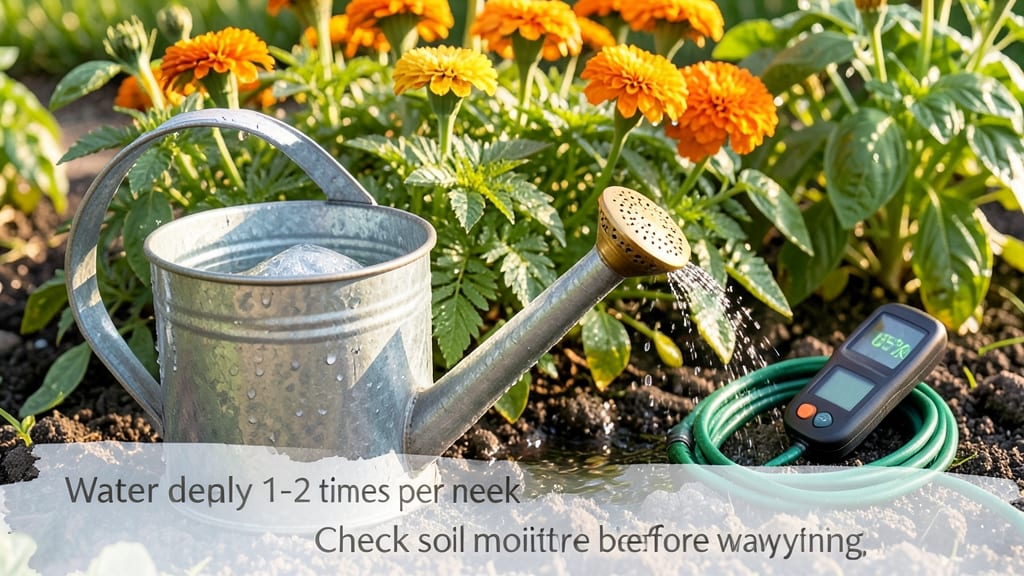
To water your garden correctly, check soil moisture first—because guessing can waste water, stress plants, and even kill them before they thrive.
Most gardeners overestimate how thirsty their 🌱 plants are, drowning roots in soggy soil or leaving them parched. The truth? A simple soil check reveals exactly when your garden needs water, saving time and keeping plants healthy.
This method works for every type of plant in your garden, from delicate seedlings to hardy shrubs, by reading the soil’s moisture clues.
Whether you’re dealing with sandy soil that drains too fast or clay that holds water like a sponge, the right approach ensures roots get just the right amount.
Below, I’ll show you the 3-step soil check that eliminates guesswork, plus how to adjust for seasonal changes, plant types, and even your local climate. No more wasted water or wilted leaves—just perfect moisture every time.
The 3-Step soil check method to water garden plants perfectly
Most gardeners water based on a schedule or when leaves look droopy—but that’s a recipe for overwatering or underwatering. The truth? Healthy plants thrive when their root zones stay consistently moist, not soggy or bone-dry.
My 3-step soil check method reveals exactly when to water, tailored to your plants’ needs. No more guesswork, just science-backed moisture balance.
Start by understanding that topsoil dries faster than deeper layers where roots grow. A quick finger test or moisture meter tells you the real story beneath the surface. For example, tomatoes and peppers need 1–2 inches of moisture at all times, while succulents and lavender prefer dry spells.
This method works for vegetables, flowers, and shrubs alike.
Before you grab the hose, grab a trowel or your finger. The key is checking moisture at the root depth—not just the surface. For most plants, that’s 2–3 inches down.
If the soil feels damp, hold off on watering. If it’s dry, it’s time to hydrate. This simple habit saves water, prevents root rot, and keeps your garden thriving.
💧 The 3-Step Soil Check Method
-
Step 1: Check Soil Depth
Use your finger or a trowel to dig 2–3 inches deep (root zone for most plants). For deep-rooted shrubs, go 4–6 inches. -
Step 2: Assess Moisture
Damp but not wet = Wait 1–2 days.
Dry and crumbly = Water deeply.
Soggy or muddy = Skip watering (risk of rot). -
Step 3: Adjust for Plant Type
Vegetables/Herbs: Keep soil moist (water when top 1 inch is dry).
Flowers/Shrubs: Let topsoil dry slightly between waterings.
Succulents/Cacti: Water only when soil is completely dry.
For container gardens, the rules change slightly. Potted plants dry out faster because soil has less moisture retention. Check the soil surface daily in summer—if it’s dry, water until it drains from the bottom. A self-watering pot can help maintain consistency, but always verify with your finger test first.
Seasonal shifts demand adjustments too. In summer heat, your soil may dry out in half the time compared to spring. Conversely, fall rains might mean you can skip watering entirely for drought-tolerant plants.
Pay attention to your local climate: arid regions need deep, infrequent watering, while humid areas benefit from lighter, frequent checks.
Tools like moisture meters or soil probes take the guesswork out of the equation. They’re especially useful for sandy soil, which drains quickly, or heavy clay, which holds too much moisture.
Investing in one saves time and prevents water waste—plus, it’s a game-changer for new gardeners still learning the ropes.
Watch your plants for signs of stress: yellowing leaves often mean overwatering, while wilting in the heat of the day signals thirst. But don’t rely solely on leaves—roots tell the real story.
A healthy root system stays moist but well-aerated. If you’re unsure, dig a little deeper: white, firm roots are happy; black or mushy roots need less water.
Mulch plays a crucial role in this method. A 2–3 inch layer of organic mulch (like straw or wood chips) locks in moisture, reducing how often you need to water.
It also keeps soil temperatures stable, which is a lifesaver for heat-sensitive plants like lettuce or basil. Just remember: keep mulch away from plant stems to prevent rot.
Putting it all together, this 3-step method ensures your garden gets just the right amount of water—no more, no less. Start with the finger test, adjust for your plants’ needs, and let your soil guide you.
Soon, you’ll have a thriving garden that’s efficient, healthy, and low-maintenance. Happy growing! 🌱
How often to water different garden plants based on soil type
Your garden's soil type determines how quickly water drains or clings to roots. Sandy soil drains fast, while clay soil holds moisture too long, and loamy soil strikes the perfect balance. Ignoring these differences leads to either soggy roots or thirsty plants begging for hydration.
Let’s break down the ideal watering schedules for each soil type and plant category to keep your garden thriving.
For thirsty plants like tomatoes and lettuce, you’ll need a different approach than for drought-resistant succulents. Seasonal shifts also play a role—summer heat demands more frequent watering, while cooler months slow evaporation. Below, you’ll find a tailored watering guide to match your garden’s unique conditions.
If your garden has sandy soil, water more frequently but in shorter bursts—roots dry out quickly. For clay soil, space out waterings to prevent waterlogging, which can suffocate roots. Loamy soil is forgiving but still requires consistency, especially for moisture-loving plants like basil or strawberries.
Adjust your watering schedule based on seasonal changes. In summer’s heat, most plants need 20-30% more water than in spring or fall. Use a drip irrigation system or soaker hoses to deliver water directly to roots, reducing waste and evaporation.
Always water in the early morning to let foliage dry before nightfall, preventing fungal diseases.
Monitor your plants for signs of stress—wilting leaves or yellowing foliage often signal over- or under-watering. Mulching with organic matter like straw or wood chips helps retain moisture and regulate soil temperature. For container plants, check soil moisture daily, as pots dry out faster than in-ground gardens.
Remember, every garden is unique. Start with the guidelines above, then fine-tune based on your local climate, microclimates in your yard, and the specific needs of your plants. With practice, you’ll develop an intuitive sense of when your garden truly needs a drink.