
Watering
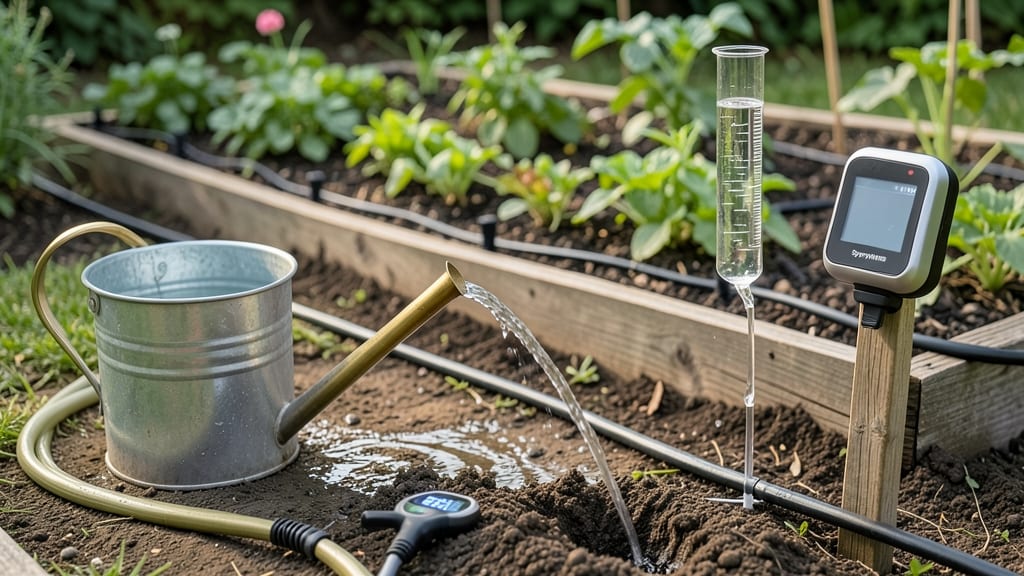
To water your garden properly, you’ll need a schedule that matches your soil type, climate, and plant needs—because guessing leads to wasted water and stressed plants.
Overwatering or underwatering your garden can kill plants faster than pests—yet most gardeners guess how often to water instead of using science-backed soil guidelines.
Clay soil holds moisture for days, while sandy soil dries out in hours. Even the same garden patch can have different zones with wildly different needs, which is why a one-size-fits-all watering rule never works.
In this guide, I’ll break down the exact watering frequency for your soil, how to test moisture like a pro, and the simple tricks to keep your garden perfectly moist without overdoing it.
Watering frequency by soil type: the science behind moisture retention
Your garden’s soil type determines how often you should water—clay holds moisture for days, while sandy soil dries out in hours. Understanding these differences prevents both overwatering (root rot) and underwatering (wilting). Let’s break down the science so you can water with confidence, not guesswork.
Soil isn’t just dirt—it’s a mix of minerals, organic matter, and air pockets that control water retention. Clay soil acts like a sponge, clinging to water, while sandy soil drains fast like a sieve.
Even loamy soil (the gardener’s gold) behaves differently in summer heat vs. winter chill. Here’s how to match your watering schedule to your soil’s unique personality.
📊 Quick Soil Test: Grab a handful of damp soil and squeeze—if it crumbles easily, it’s sandy; if it stays clumped, it’s clay. Loamy soil will hold its shape but break apart gently. This simple trick saves time and plants!
Clay soil’s moisture retention is a double-edged sword—it keeps roots hydrated but can suffocate them if overwatered. Test it by sticking your finger 2 inches deep; if it’s damp, wait.
For sandy soil, water lightly every morning to mimic natural rainfall patterns. Loamy soil is forgiving but still needs consistent moisture—think of it as a balanced diet for your plants.
Rocky or gravelly soil is the trickiest—water slowly to avoid runoff, and focus on the root zone. A drip irrigation system works best here, delivering water directly where plants need it.
If you’re unsure about your soil, grab a soil test kit (under $15) from your local garden center for precise pH and composition insights.
Seasonal shifts matter too: summer heat demands more frequent watering for sandy soils, while winter chill slows evaporation in clay. Adjust your schedule by checking soil moisture weekly—your thumb is the best tool!
For example, in July, sandy soil may need watering twice daily, while clay soil might only need a deep soak every 4 days.
Overwatering is the #1 killer of garden plants, yet 60% of gardeners admit they guess their watering schedule. Use the "squeeze test": If soil feels like a damp sponge, hold off.
If it’s dry and crumbly, it’s time to water. This simple habit cuts waste and keeps roots happy—no more soggy soil or thirsty leaves!
For container gardens, sandy or rocky mixes dry out faster. Water containers every 2–3 days in summer, checking the top inch of soil. Pro tip: Use terracotta pots—they wick away excess moisture, preventing root rot in clay-heavy mixes.
Remember, morning watering is always best—it reduces evaporation and fungal risks. Avoid evening water, which leaves foliage damp overnight, inviting powdery mildew. Pair your watering routine with mulching (straw, wood chips, or leaves) to lock in moisture and keep weeds at bay.
Your garden’s soil type isn’t set in stone—amend clay with sand and compost, or boost sandy soil with organic matter like peat moss. Over time, you’ll create the perfect moisture balance for your plants. Start with the table above, then tweak as you observe your garden’s unique needs.
Signs your garden is overwatered or underwatered (and how to fix it)
Yellowing leaves, moldy soil, or wilting plants aren’t just random bad luck—they’re clear signals your garden’s thirst (or overindulgence) is out of balance. I’ve seen new gardeners drown their tomatoes one week and let their basil crisp in the next.
The fix? Learning to read your plants’ visual cues and adjusting your watering schedule by soil type and season.
Most gardeners water based on guesswork—maybe checking the weather or sticking to a weekly schedule. But plants don’t come with one-size-fits-all labels. A sandy garden might need daily checks, while clay soil can go weeks between drinks.
The key is soil science: understanding how water moves through your garden’s unique makeup. Let’s decode the warning signs and turn your watering routine into a precision science.
⚠️ callout-warning💧 WARNING: The #1 Watering Mistake
How often do I need to water my garden? Most people answer with a time-based guess ("every other day") instead of a soil-based rule. Here’s the truth: Light, frequent watering encourages shallow roots, while deep, infrequent watering builds drought-resistant plants. Test your soil first—stick your finger 1-2 inches deep. If it’s dry, water; if damp, wait. No more guesswork.
Start with the soil’s texture. Sandy soil drains like a sieve—water disappears in hours, leaving roots parched. Look for dry, crumbly soil and wilting leaves that don’t perk up after watering. For clay soil, the opposite happens: water pools on top, creating a soggy layer while roots suffocate.
Check for yellowing leaves, moldy mulch, or stunted growth. Loamy soil (the gardener’s Goldilocks) holds moisture just right—plants thrive with 1-2 inches of water per week.
Seasonal shifts throw off even the best watering routines. In summer’s heat, most gardens need daily checks—especially container plants, which dry out faster. But in winter’s chill, reduce watering to every 2-3 weeks unless you’re growing winter greens like kale.
Pro tip: Morning watering (before 10 AM) reduces evaporation and fungal risks. If you’re watering at night, you’re inviting blight to the party.
Tools like moisture meters ($10 at garden centers) take the guesswork out of watering. Insert the probe 2-3 inches deep—if it reads dry, water deeply until moisture reaches 6 inches down. For budget-friendly tests, use the finger method: dig 1-2 inches into soil.
If it feels dry, water; if damp, wait. Overwatered soil smells sour and feels squishy, while underwatered soil cracks like desert terrain. Adjust your schedule based on these tactile clues.
Fixing an overwatered garden starts with drainage upgrades. Amend clay soil with compost or sand to improve airflow. For waterlogged areas, create raised beds or install French drains. Underwatered plants? Mulch heavily (2-3 inches) to lock in moisture, and water deeply but less often.
If your tomatoes are wilting by noon, they’re begging for shade cloth during peak heat. Seasonal adjustments are non-negotiable—what works in June’s heat fails in September’s humidity.
Remember: Healthy soil is the ultimate water regulator. Feed your garden with organic matter (compost, worm castings) to boost its water-holding capacity. A well-fed soil holds moisture like a sponge, reducing your watering workload by 30-50%.
Next time you’re unsure, ask: "What’s my soil doing?" Your plants will thank you with vibrant blooms and bountiful harvests—not wilting sighs. 🌱