Fertilization
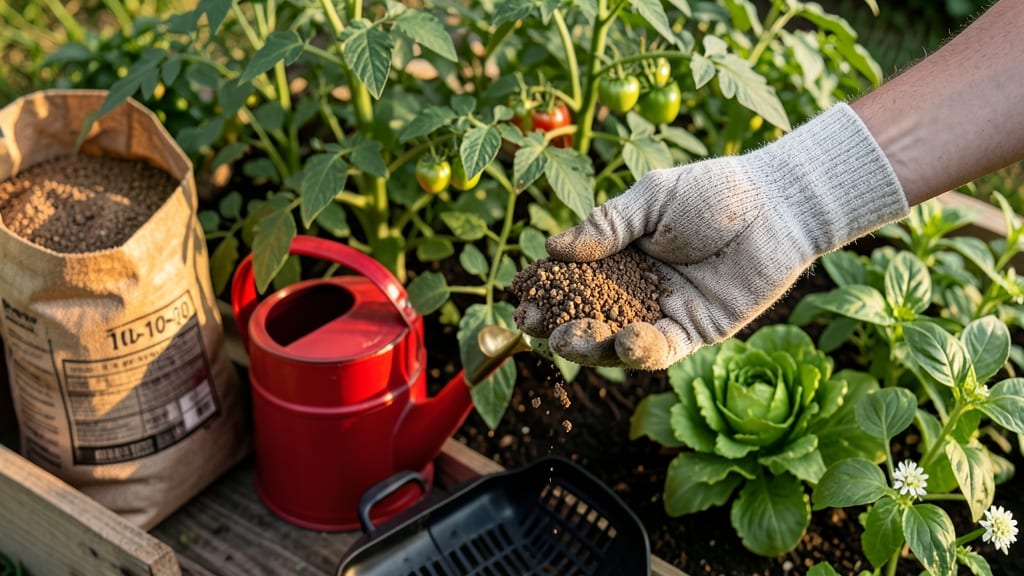
You should fertilize your garden every 4 to 6 weeks during the active growing season—spring through fall—when your 🌱 General Garden Plants are hungry for nutrients but not drowning in them.
Struggling to keep your garden thriving? Over- or under-fertilizing can stifle plant growth, waste money, and even harm your soil—so timing is everything. I’ve seen firsthand how a single misstep (like feeding too late in summer) can leave your tomatoes bitter or your roses struggling to bloom.
Most gardeners assume "more fertilizer = better results," but the truth is far more nuanced. Your soil type, climate zone (6a for many of us), and the specific needs of your plants—whether it’s nitrogen for leafy greens or phosphorus for flowering shrubs—dictate the perfect schedule.
In this guide, I’ll break down the science-backed seasonal schedule, including when to switch from organic to synthetic fertilizers, how to spot over-fertilization red flags, and why your spring and fall routines should look completely different. No guesswork—just stronger plants and healthier soil.

Seasonal fertilizing schedule by plant type: when and how much to apply
Timing your garden fertilizer applications is like conducting an orchestra—too much or too little at the wrong time throws everything off. Seasonal adjustments ensure your plants get nutrients when they need them most, whether it's leafy greens craving nitrogen or tomatoes demanding potassium for fruit set.
Warm climates (zones 8+) may need earlier spring and later fall applications, while cool zones (3-6) should time fertilizing around last frost dates.
Organic fertilizers like compost or manure release nutrients slowly, making them ideal for spring pre-planting, while synthetic granules offer quick fixes during growth phases. The key? Soil testing before you start—your pH could be sabotaging even the best schedule.
Let’s break down what works for your garden’s most common categories, so you can feed your plants without the guesswork.
📌 Pro Tip: Always water 24 hours before and after fertilizing to prevent root burn. For organics, mix into the top 2-3 inches of soil; synthetics should be spread evenly and lightly raked in.
| Plant Category | Spring (Pre-Planting) | Growth Phase (Mid-Season) | Bloom/Fruit Phase | Fall/Winter Prep |
|---|---|---|---|---|
| Leafy Greens | Balanced 10-10-10 (light) | Nitrogen-heavy every 3 weeks | None | Compost top-dress |
| Tomatoes/Peppers | Phosphorus-rich 5-10-10 | High-potassium every 4 weeks | Calcium supplement at flowering | Organic matter only |
| Lawns | Slow-release in early spring | Monthly liquid feed | None | Winterizer fertilizer |
| Perennials | Phosphorus bone meal at planting | Balanced 5-5-5 every 6 weeks | Potassium for fall bloomers | Compost + mulch |
| Flowers (Annuals) | Phosphorus 5-10-5 at transplant | Low-nitrogen every 4 weeks | Calcium for bud formation | Stop fertilizing 6 weeks before frost |
For cool climates (zones 3-6), focus fertilizing efforts between late April and early September, aligning with your last frost date. In warm climates (zones 7-10), you can extend feeding into October and even start light applications in February for early bloomers like peppers or tomatoes.
The goal? Match nutrient delivery to your plant’s growth cycles—not the calendar.
Synthetic fertilizers deliver immediate results but require more frequent applications (every 3-4 weeks), while organics like compost or worm castings feed soil over time. I recommend blending both: Use synthetics for quick fixes during growth spurts and organics to build long-term soil health.
For example, side-dress tomatoes with a 5-10-10 synthetic when flowers appear, then top-dress with compost in fall.
🌱 Climate Zone Adjustments: - Zones 3-6: Fertilize after last frost (mid-April to early May) and stop by mid-August to avoid late-season growth that won’t harden off for winter. - Zones 7-10: Start in February for warm-season crops and continue until October, with a break in July during peak heat.
Over-fertilizing is a silent killer—plants stressed by excess salts won’t absorb water or nutrients properly. If your soil looks crusty or white (a sign of salt buildup), flush it with 2-3 inches of water and pause fertilizing for 4-6 weeks.
Always follow package instructions for synthetic products, but remember: less is often more with organics.
💡 Organic vs. Synthetic Timing:
- Organics: Apply 3-4 times per season (spring, early summer, late summer, fall). Let microbes break down nutrients gradually.
- Synthetics: Use
5 Signs your garden needs fertilizer (and when to stop)
Your tomatoes are struggling to produce fruit, your roses have sparse blooms, and your leafy greens look pale—these are classic signs your garden is nutrient-deficient. But how do you know when to fertilize and when to pause?
Over-fertilizing can burn roots and disrupt soil health, while under-fertilizing stunts growth. The key is reading your plants' signals and timing applications based on their growth stages.
Most gardeners fertilize every 4-6 weeks during the growing season, but this varies by plant type. Vegetables like tomatoes and peppers need more frequent feeding, while perennials can thrive on a single spring application.
The trick is balancing nitrogen for leafy growth, phosphorus for roots and flowers, and potassium for disease resistance. Let’s decode the signs so you can fertilize like a pro—and know when to stop.
Another critical sign is stunted growth despite adequate water and sunlight. If your herbs or flowers aren’t reaching their expected height, they’re likely phosphorus-deficient. For lawns, look for patchy green or thin grass—these are clear indicators to fertilize with a slow-release nitrogen blend.
But here’s the catch: if your plants show brown leaf tips or white crust on soil, you’ve over-fertilized. In this case, pause fertilization and water deeply to leach excess salts.
Seasonal timing matters too. In spring, focus on nitrogen to kickstart growth, while summer calls for potassium to handle heat stress. By fall, reduce feeding entirely—plants need to harden off for winter.
Always conduct a soil test (available at garden centers) to check pH and nutrient levels before applying fertilizer. A pH of 6.0–7.0 is ideal for most veggies, but acid-loving plants like blueberries need sulfur adjustments.
Pro tip: Organic fertilizers like compost or worm castings release nutrients slowly, reducing over-fertilization risks. For container gardens, fertilize every 2–3 weeks during the growing season since nutrients wash out faster. Always apply fertilizer in the early morning or evening to avoid leaf burn from heat.
When in doubt, less is more—you can always add fertilizer later, but you can’t undo damage from overdoing it.
Listen to your garden. Healthy plants grow steadily, produce vibrant blooms, and resist pests. If your garden is sending you signals—whether it’s yellowing leaves, weak stems, or poor flowering—it’s time to assess and act. With the right balance, your garden will thrive without guesswork. 🌱