Watering
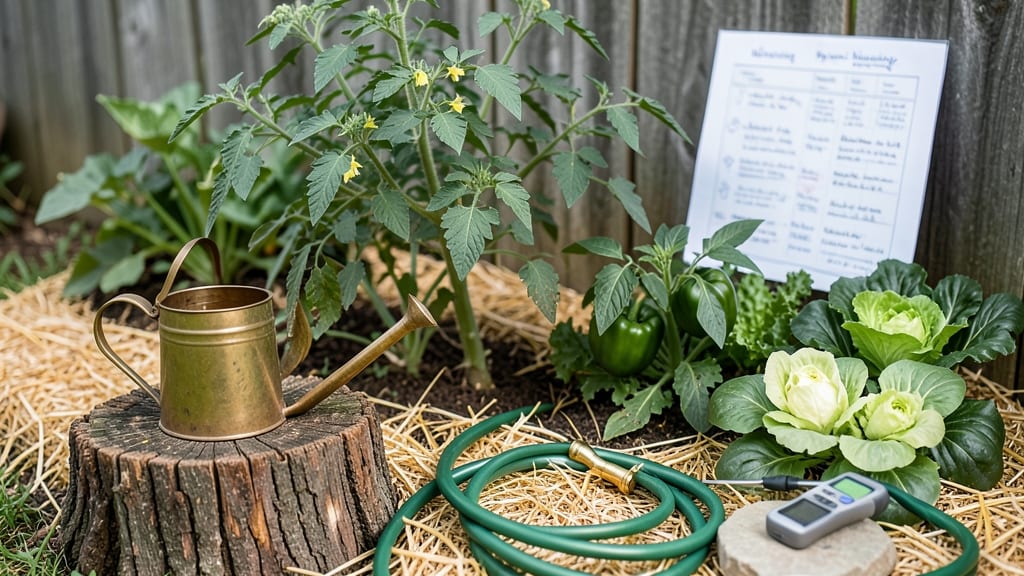
Watering a veggie garden too often or too little can turn your hard work into wilted disappointment—so figuring out how often you should water is the real key to a thriving harvest.
Picture this: you’ve spent weeks nurturing your 🥬 garden, only to watch your plants droop midday or rot from too much love. The truth is, there’s no one-size-fits-all answer—soil type, plant stage, and even the weather play a huge role.
But here’s the game-changer: checking soil moisture instead of sticking to a rigid schedule.
Most gardeners assume frequent shallow watering is best, but deep, infrequent soaks actually encourage stronger roots. In Zone 6a, where spring rains taper off by May, you’ll need to adjust your approach as temperatures rise and crops mature.
In this guide, I’ll show you exactly how to read your soil, tailor watering to your specific plants, and avoid the three biggest mistakes that waste water and stunt growth. By the end, you’ll have a foolproof system for keeping your veggie garden perfectly moist—without guessing.
The perfect watering schedule based on plant type and soil conditions
Watering your vegetable garden isn't about sticking to a one-size-fits-all schedule—it's about understanding how your soil type and plant varieties interact with moisture. Sandy soil drains quickly, while clay holds water like a sponge, and leafy greens need more frequent sips than root vegetables.
Let's break down the science-backed approach to keep your plants thriving without wasting water or drowning their roots.
First, recognize that root depth determines how often you should water. Shallow-rooted plants like lettuce need light, frequent watering, while deep-rooted crops like carrots thrive with deep, infrequent soaks. The key is delivering water to the root zone—typically 6-12 inches deep—where plants access nutrients.
Overwatering at the surface creates a false sense of moisture while leaving roots parched below.
Your soil's texture dictates how quickly moisture evaporates. Sandy soil might need watering every 2-3 days in summer, while clay soil can go 5-7 days between deep waterings. Even loamy soil—the gardener's gold—requires testing before watering.
The solution? Dig a finger deep into the soil: if it feels dry, it's time to water. If it's damp, hold off.
Let's tackle leafy greens first, which include lettuce, spinach, and kale. These plants grow quickly and have shallow roots, so they need consistent moisture. Aim for 1 inch of water per week, delivered through light waterings every 2-3 days.
Too much water can cause bolting (premature flowering), while too little leads to bitter leaves. Mulch heavily to retain moisture and prevent soil crusting.
Root vegetables like carrots, beets, and potatoes demand a different approach. These crops need deep watering—about 1-2 inches per week—to encourage straight, unbroken growth. Water deeply every 5-7 days rather than daily shallow sessions.
Overwatering can cause these veggies to split or rot, while underwatering leads to tough, fibrous textures. The secret? Let the top 1-2 inches of soil dry out between waterings.
Tomatoes and peppers fall into their own category. These fruiting plants need consistent moisture, especially during flowering and fruiting. Water at the base rather than overhead to prevent fungal diseases like blight.
Aim for 1-1.5 inches of water per week, delivered through deep waterings 2-3 times per week. Avoid wetting leaves, and always water in the morning to reduce evaporation and disease risk.
Now, let's address soil types with precision. In sandy soil, water drains through quickly, so you may need to water daily during heatwaves.
Use a moisture meter or stick your finger 2 inches deep—if it's dry, water thoroughly. Clay soil, on the other hand, holds moisture like a sponge. Water deeply but less frequently, and consider improving drainage with organic matter like compost or aged manure.
Seasonal adjustments are critical. In spring and fall, when temperatures are moderate, most vegetables need water every 3-5 days. But during summer heatwaves, increase frequency to every 1-2 days, especially for container-grown plants.
In winter, reduce watering to every 10-14 days unless you're growing cold-hardy crops like kale or Brussels sprouts. Always adjust based on rainfall—don't water if the ground is already moist.
Here’s a quick reference to guide your watering routine based on plant type and soil conditions: