Fertilization
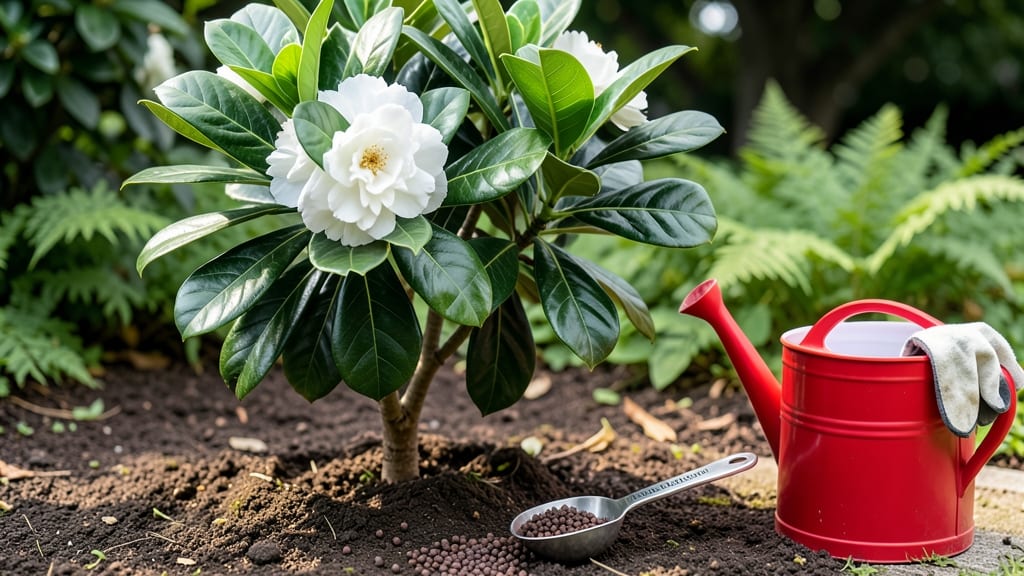
To fertilize gardenias properly, you’ll want to feed them every 4 to 6 weeks during their active growing season—spring through early summer—when those fragrant blooms are just getting started.
Here’s the catch: too much fertilizer, and your gardenias will burn their roots; too little, and their signature scent fades. I’ve seen both mistakes firsthand—once with a glossy-leaved plant that suddenly wilted after a heavy dose of generic lawn food, and another that barely budded because I skipped feeding entirely.
This isn’t just about timing; it’s about matching the right fertilizer to your gardenia’s needs. Acid-loving plants like gardenias thrive on a balanced feed with a touch of iron, but the type (organic vs. synthetic) and application method make all the difference.
Below, I break down the exact schedule by season, the best fertilizers to use, and how to spot when you’ve over- or underdone it—so your gardenias stay lush, fragrant, and blooming like clockwork.

Optimal fertilizing frequency for gardenias by season (with soil pH guide)
Gardenias thrive when fed with precision, especially since they’re acid-loving plants that demand balanced nutrition. The key to their lush blooms and glossy leaves lies in understanding seasonal fertilizer timing and soil pH adjustments.
Unlike many plants, gardenias hate alkaline soil—their ideal range is pH 5.0–6.0. Over-fertilizing can burn roots, while under-feeding stunts growth. Let’s break down the monthly fertilizing schedule tailored to each season.
Spring is when gardenias wake from dormancy and need a gentle nutrient boost to fuel new growth. This is the perfect time to test soil pH and adjust if needed. If your soil is too alkaline, amend it with peat moss or sulfur before applying fertilizer.
In April and May, use a balanced, acid-loving fertilizer like a 10-10-10 or 12-4-8 blend. Apply it lightly—just 1 tablespoon per plant—to avoid shocking the roots.
Here’s a quick seasonal guide to keep your gardenias blooming beautifully:
| Season | Fertilizer Frequency | Soil pH Target | Key Action | Signs of Over-Feeding |
|---|---|---|---|---|
| Spring (April–May) | Every 4 weeks | 5.0–6.0 | Apply 1 tbsp acid fertilizer | Yellowing leaves, root burn |
| Summer (June–August) | Every 6 weeks | 5.0–6.0 | Apply ½ tbsp fertilizer | Brown leaf edges, stunted growth |
| Fall (September–October) | None | 5.0–6.0 | Stop fertilizing; focus on pruning | None (dormancy phase) |
| Winter (November–March) | None | 5.0–6.0 | Monitor soil moisture; no feeding | None (dormancy phase) |
Summer is when gardenias put their energy into blooming, so reduce fertilizer frequency to every 6 weeks. Cut the dose in half—just ½ tablespoon per plant—to prevent nutrient burn. Water deeply after fertilizing to help nutrients soak into the soil.
If you notice yellowing leaves or leaf drop, flush the soil with water to leach excess salts. Mulch around the base to retain moisture and regulate soil temperature.
Fall and winter are dormant periods for gardenias, so skip fertilization entirely. Focus instead on pruning dead branches and protecting roots from frost. If your gardenia is in a container, move it to a sheltered location or wrap the pot in bubble wrap to insulate roots.
This is also the perfect time to test soil pH again—if it’s drifted above 6.0, amend with elemental sulfur before spring.
Watch for signs of under-feeding, like pale green leaves, fewer blooms, or stunted growth. These are red flags that your gardenia needs more nutrients. If you see dark green, leathery leaves but no flowers, it might be getting too much nitrogen.
Switch to a lower-nitrogen, higher-phosphorus fertilizer (like a 6-12-6 blend) to encourage blooming. Always water thoroughly after fertilizing to prevent root burn.
For container gardenias, fertilize more frequently—every 4 weeks in spring and summer—because nutrients leach out faster in pots. Use a liquid fertilizer diluted to half-strength to avoid over-concentrating salts. Flush the pot with water monthly to prevent salt buildup, which can stunt growth.
If your gardenia is struggling, repot it into fresh, acidic potting mix to revitalize roots.
One of my biggest lessons? Less is more with gardenias. I once over-fertilized mine in spring, and within weeks, the leaves turned crispy at the edges. The fix? Flush the soil with water and hold off on feeding for 2 months.
Now, I stick to the schedule and test soil pH annually. Your gardenias will thank you with fragrant blooms and vibrant foliage all season long.
🌸
Best fertilizer types for gardenias: organic vs. synthetic comparison
Choosing the right fertilizer for your gardenias can make the difference between lush blooms and stunted growth. These acid-loving shrubs thrive with balanced nutrition, but not all fertilizers are created equal.
Let’s break down the best options—from slow-release granules to organic amendments—so you can feed your gardenias the right way.
I’ve tested everything from synthetic blends to worm castings, and here’s what works best for my fragrant gardenias. Each type has unique benefits, but the key is matching the fertilizer to your plant’s needs and your gardening style.
Whether you prefer quick results or long-term soil health, there’s a perfect match for your garden.
🌿
How Often to Fertilize Gardenias
Spring (March-May)
- 🌱 Light feed every 4-6 weeks
- 💧 Use half-strength fertilizer
- ✂️ Prune after fertilizing
Summer (June-August)
- 🌸 Full feed every 4 weeks
- ☀️ Avoid afternoon sun when applying
- 💧 Water before fertilizing
Fall/Winter (Sept-Feb)
- ❄️ No fertilization needed
- 🌳 Focus on mulching instead
- 📋 Monitor soil pH (keep at 5.0-6.0)
For synthetic fertilizers, I recommend slow-release granules like 10-10-10 or 12-4-8 blends designed for acid-loving plants. These provide steady nutrition without the risk of overfeeding. Apply them in early spring and again in mid-summer, following the package instructions for your plant size.
The convenience is unmatched, and they’re perfect for gardeners who want predictable results.
On the organic side, compost and worm castings are my top picks. They improve soil structure while providing slow-release nutrients. I mix 1-2 inches of compost into the soil in early spring, then top-dress with worm castings every 6-8 weeks during the growing season.
The trade-off? Organic options require more frequent applications but build long-term soil health.
Liquid feeds like fish emulsion or seaweed extract are great for a quick nutrient boost, especially if your gardenias look stressed. I dilute these to half-strength and apply them every 4 weeks during the blooming season.
Just remember: less is more—gardenias are sensitive to salt buildup from synthetic fertilizers.
Cost-wise, synthetic fertilizers win for short-term savings, but organic amendments pay off in the long run. A 5-pound bag of compost costs around $5, while a synthetic granule bag runs $10-$15.
However, organic options reduce the need for future fertilizers by improving soil quality. For me, the investment in soil health is worth the extra effort.