Size
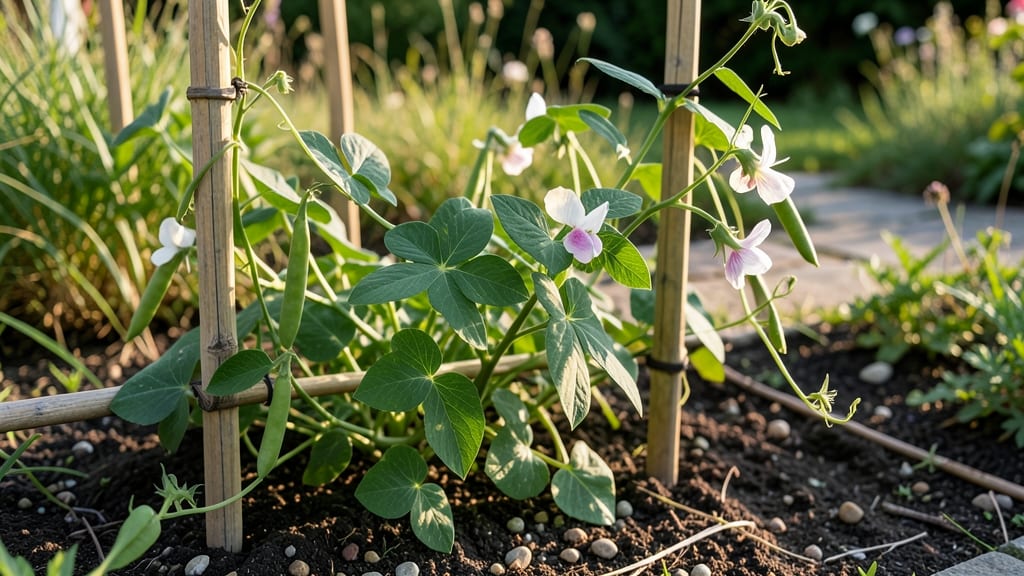
How tall do garden peas grow? They can reach heights between 1 and 6 feet, depending entirely on the variety you choose—so your trellis game plan could make or break your harvest.
Picture this: a 6-foot vine of Sugar Snaps sprawling across your patio, or a compact 1-foot bush of Snow Peas tucked into a corner bed. The difference isn’t just about space—it’s about how much you’ll actually eat before the pods turn stringy or the vines collapse under their own weight.
Trellising isn’t optional for the taller types; without support, they’ll sprawl everywhere, competing with your tomatoes for real estate. But even dwarf varieties benefit from a small cage or two stakes—they just don’t need the 10-foot ladder you’d haul out for a Telephone pea.
Below, I break down the height ranges of popular varieties, how to pick the right trellis, and the 3 biggest mistakes that keep peas from reaching their full potential—so you can plan your garden like a pro.

Garden pea height by variety: compact bush vs. towering vining types
When planning your pea patch, knowing garden pea height by variety is essential for maximizing space and yield. Some varieties stay neatly contained as compact bush peas under 2 feet, while others climb like towering vines reaching 6 feet or more.
This dramatic difference affects everything from trellis selection to garden layout.
For small gardens or containers, dwarf varieties like 'Sugar Ann' or 'Tom Thumb' thrive without support, saving space while still producing sweet pods. Meanwhile, vining types such as 'Telephone' or 'Mammoth Melting Sugar' demand sturdy trellises to reach their full potential—often 5-6 feet tall—but reward gardeners with continuous harvests.
Understanding these height differences helps you avoid common mistakes like overcrowding bush peas or under-supporting vining types, both of which can stunt growth. Let’s break down the key categories and popular varieties to help you choose the perfect fit for your garden.
If you’re working with limited garden space, dwarf varieties like 'Sugar Ann' are ideal—they produce sweet pods without sprawling and can even thrive in containers. These bush peas typically reach just 1-2 feet tall, making them perfect for edging garden beds or interplanting with other crops.
For vertical gardening, tall vining types like 'Telephone' or 'Mammoth Melting Sugar' are game-changers. These varieties can climb 5-6 feet or higher, making them perfect for maximizing small spaces. A sturdy 6-foot trellis or fence will support their weight and keep pods off the ground, reducing disease risk.
Semi-dwarf varieties strike a balance, offering moderate height (2-3 feet) and moderate trellis needs. They’re a great choice for gardeners who want some vertical growth without committing to a towering structure. Varieties like 'Green Arrow' are excellent for small trellises or pea cages.
One key factor influencing pea plant height is sunlight. All varieties need 6+ hours of full sun daily, but vining types may grow taller in ideal conditions. If your garden is shady, opt for bush varieties, which are more adaptable to partial shade while still producing well.
When selecting varieties, also consider your harvest goals. Vining types often produce continuous pods over weeks, while bush types may yield all at once.
For a steady supply, mix both types in your garden—plant bush peas in containers or along borders and vine varieties on a central trellis.
Pro tip: If you love sugar snap peas, choose varieties like 'Super Sugar Snap' for their aggressive climbing habit. These can reach 7 feet tall and require extra-sturdy trellises to prevent collapse under their weight. A teepee trellis or A-frame structure works best for these heavy climbers.
Now that you know the height ranges, you’re ready to plan your pea patch with confidence—whether you’re aiming for compact bush peas or towering vines. The right variety and trellis will set you up for a bountiful harvest! 🌱
How to choose the right trellis for your pea plant height
Selecting the perfect trellis for your pea plants isn’t just about aesthetics—it’s about maximizing vertical growth and preventing lodging. Since garden peas range from 1-foot dwarf varieties to 6-foot vining giants, your trellis choice must match their mature height.
A poorly chosen support can lead to flopping vines, reduced yields, and even broken stems during wind or rain.
Start by assessing your pea variety’s growth habit. Bush peas like 'Sugar Ann' stay compact (1-2 feet tall) and may only need a low cage trellis or minimal support.
In contrast, pole varieties like 'Telephone' can climb 6-8 feet, demanding sturdy A-frame or teepee trellises to handle their weight. Even semi-dwarf types (3-4 feet) benefit from taller supports to encourage upward growth.
🌱 Pea Plant Height & Ideal Trellis Match
- 1-2 ft (Bush Peas): Low cage or 12-inch stakes (e.g., 'Sugar Ann', 'Little Marvel')
- 3-4 ft (Semi-Dwarf): 3-foot teepee or string trellis (e.g., 'Green Arrow', 'Oregon Sugar Pod')
- 5-6 ft (Tall Vining): 6-foot A-frame or tall teepee (e.g., 'Telephone', 'Mammoth Melting Sugar')
- 6+ ft (Extra-Tall): 8-foot lattice or DIY bamboo tower (e.g., 'China Sugar', 'Russian Giant')
For budget-friendly gardeners, DIY trellises work wonders. Use bamboo stakes tied with twine for a teepee structure, or repurpose old ladders or fencing as vertical supports. Just ensure your DIY trellis is sturdy enough—peas can produce 10+ pounds of pods per plant!
Secure the base with stakes or weights to prevent toppling, especially in windy conditions.
Pro tip: Install trellises at planting time to avoid disturbing roots later. For string trellises, use 3-4 horizontal lines spaced 12 inches apart to guide vines upward. This creates a ladder-like structure that pea tendrils can easily grasp.
Avoid overcrowding plants near trellises—give each vine 3-4 inches of space to prevent competition for sunlight and nutrients.
If you’re growing multiple pea varieties, consider a combination trellis. For example, plant bush peas at the base of a 6-foot teepee and let taller varieties climb upward.
This space-saving hack works beautifully in small gardens or containers. Just monitor growth closely—some varieties may outcompete others for support if not managed.
Remember, a well-chosen trellis doesn’t just support your peas—it transforms your garden. Vertical growth saves space, improves airflow (reducing disease risks), and makes harvesting a breeze. With the right setup, you’ll enjoy bountiful harvests and a garden that looks as good as it tastes! 🌿