
How To
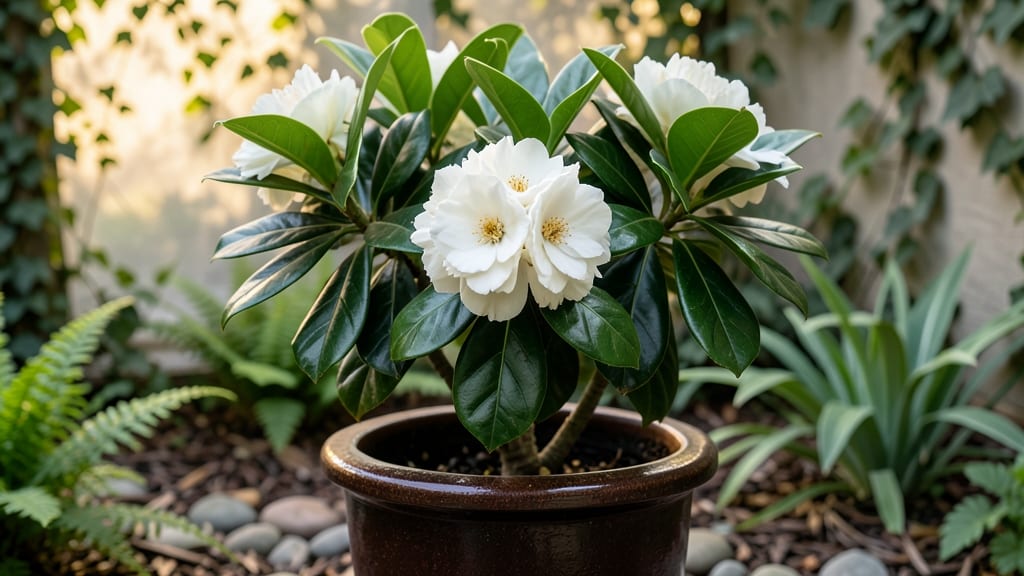
Gardenia plants grow between 2 and 6 feet tall, depending on the variety and growing conditions — a range that lets you choose from dwarf shrubs for containers to small trees for privacy screens.
If you're dreaming of fragrant, glossy gardenias but wondering whether they’ll fit in your garden—or just your balcony—knowing their mature height is key to planning. These tropical beauties range from compact shrubs to towering small trees, and their growth habits depend entirely on the variety.
For example, the classic Gardenia jasminoides 🌸 typically reaches 4 to 6 feet outdoors, while dwarf varieties like 'Radicans' stay under 3 feet, making them perfect for patios or windowsills. Pruning and container size can also shape their height, so you have more control than you might think.
Below, I’ll break down the height ranges for popular gardenia varieties, how to manage their growth with pruning and training, and whether they’ll thrive indoors at a more manageable size. Ready to pick the perfect gardenia for your space?

Gardenia height by variety: from dwarf to tall shrubs
Choosing the right gardenia variety is essential if you're planning your garden layout. Some varieties stay compact enough for balcony planters, while others grow tall enough to serve as privacy screens.
The mature height of gardenias typically ranges from 1 foot to 10 feet, depending on the cultivar and growing conditions. Let’s explore the most popular varieties and their height ranges.
For small-space gardeners, dwarf varieties like 'Radicans' or 'Kleim’s Hardy' are perfect. These stay under 3 feet tall, making them ideal for containers or foundation plantings. On the other end of the spectrum, varieties like 'Fortuniana' can reach 10 feet or more, functioning as small trees in tropical landscapes.
Understanding these differences helps you select the perfect gardenia for your space.
Gardenia height isn’t just about the variety—it’s also influenced by pruning habits, container size, and climate conditions. For example, a 'Veitchii' gardenia grown in a large container may stay shorter than one planted in the ground. Meanwhile, regular pruning can keep even tall varieties manageable. Let’s dive into the specifics with a breakdown of the most popular gardenia varieties and their mature heights.
| Variety | Mature Height | Growth Habit | Ideal Use |
|---|---|---|---|
| 'Radicans' | 1–3 ft | Dwarf, spreading | Containers, borders |
| 'Kleim’s Hardy' | 3–5 ft | Compact, bushy | Foundation plantings |
| 'Fortuniana' | 6–10 ft | Tall, tree-like | Privacy screens, large gardens |
| 'Veitchii' | 4–6 ft | Medium, upright | Specimen plant, hedges |
| 'Mystery' | 2–4 ft | Dwarf, rounded | Patio pots, small gardens |
| 'August Beauty' | 3–5 ft | Medium, bushy | Borders, mixed shrub beds |
| 'Cleopatra' | 4–6 ft | Upright, spreading | Specimen plant, hedges |
| 'Kleim’s Hardy Gold' | 3–5 ft | Compact, bushy | Foundation plantings, containers |
| 'Radicans Compacta' | 1–2 ft | Dwarf, trailing | Hanging baskets, windowsills |
| 'Fortuniana Variegata' | 6–8 ft | Tall, tree-like | Large gardens, tropical landscapes |
If you're growing gardenia in containers, expect heights to be 20–30% shorter than their ground-planted counterparts. For example, a 'Veitchii' in a 15-gallon pot might only reach 3–4 feet tall, while the same variety in the ground could hit 6 feet.
Container gardening also allows you to control root growth, making it easier to manage height with regular pruning.
The 'Radicans' variety is one of the most popular choices for small gardens and balconies. Its mature height of 1–3 feet makes it perfect for hanging baskets or window boxes.
This variety thrives in partial shade and produces highly fragrant white blooms, making it a standout for patios and walkways. Pair it with low-growing companions like impatiens or fuchsias for a lush, layered display.
For those with larger spaces, 'Fortuniana' is a stunning choice. This variety can grow up to 10 feet tall, making it ideal for privacy screens or tropical-themed gardens. It requires well-draining soil and regular watering to support its rapid growth.
If you’re planting it near a fence or wall, consider pruning it annually to maintain a manage
How to control gardenia height: pruning, training & container tips
Controlling your gardenia’s height isn’t just about aesthetics—it’s about keeping your plant healthy and thriving. Whether you’re dealing with a 6-foot-tall 'Fortuniana' or a dwarf 'Radicans', strategic pruning and training can shape its growth.
The key is timing, technique, and knowing which tools to use for the job. Let’s break it down into simple, actionable steps to keep your gardenia at your desired height while encouraging lush blooms.
First, understand that gardenias grow best with light pruning—over-pruning can stress the plant and reduce flowering. Most varieties grow 6-12 inches per year, so plan your pruning around their natural growth cycle.
For example, a 3-year-old gardenia might reach 3-4 feet tall without intervention, but with regular pruning, you can keep it at 2 feet or even shorter. Start by identifying the right tools: bypass pruners for clean cuts and sterilized shears to prevent disease.
Step-by-Step Guide to Pruning Gardenias for Height Control
- Step 1: Wait Until After Flowering Prune gardenias 4-6 weeks after blooming (late summer to early fall) to avoid cutting off next year’s buds. This timing ensures you’re only trimming spent growth while preserving potential flowers.
- Step 2: Identify Problem Areas Look for overcrowded branches, dead wood, or crossing limbs that rub together. These areas are prime candidates for removal to improve airflow and light penetration.
- Step 3: Make Clean Cuts at the Right Angle Use bypass pruners to cut just above a leaf node or bud at a 45-degree angle. Avoid leaving stubs, which can attract pests or disease. Sterilize your tools with rubbing alcohol between cuts.
- Step 4: Shape for Desired Height To reduce height, cut back 1/3 of the tallest branches to encourage bushier growth. For taller varieties, focus on thinning out lower branches to create a more open canopy and improve airflow.
- Step 5: Support Climbing Varieties If growing a climbing gardenia like 'Radicans', install a trellis or stake early in the season. Gently tie branches to the support with soft plant ties, guiding growth upward while preventing breakage.
- Step 6: Container-Specific Pruning For potted gardenias, prune more aggressively in early spring to control height and encourage compact growth. Repot every 2-3 years to refresh soil and provide room for roots to spread.
- Step 7: Seasonal Maintenance Perform a light trim in late winter to remove any weak or damaged growth before new shoots emerge. Avoid heavy pruning in fall or winter, as gardenias are less resilient during dormancy.
Training gardenias to your desired height often involves more than just pruning—it’s about creating the right environment. For container-grown gardenias, choose pots that are 1-2 inches larger than the root ball to prevent overcrowding, which can stunt growth.
Use a well-draining potting mix with peat moss or perlite to mimic their tropical soil needs. If your gardenia is growing too tall for its space, consider topping it back by cutting the main stem just above a strong set of leaves to encourage bushier growth.
For outdoor gardenias, mulch around the base with 2-3 inches of organic mulch (like pine bark or shredded leaves) to retain moisture and regulate soil temperature. This simple step can reduce stress on the plant, allowing it to focus energy on growth rather than survival.
If you’re growing a climbing variety, like 'Radicans', provide a strong support structure early on to guide its growth upward. Without support, these varieties can become top-heavy and prone to breakage.
One common mistake gardeners make is pruning at the wrong time. Never prune in late fall or winter, as this can damage new buds forming for next year’s blooms. Instead, plan your pruning for late summer or early fall, after the main flowering season.
If you’re growing gardenias in USDA Zones 8-10, you can prune year-round with minimal risk, but always avoid heavy cuts during heatwaves or droughts, as the plant will struggle to recover.
Finally, remember that patience is key when managing gardenia height. These plants respond best to gradual pruning over time rather than drastic cuts. With consistent care, your gardenia will reward you with glossy foliage and intoxicating blooms while staying at the perfect height for your space.
Whether you’re aiming for a compact patio shrub or a tall specimen plant, these tips will help you achieve the look you love—without sacrificing health or beauty.