
Tools
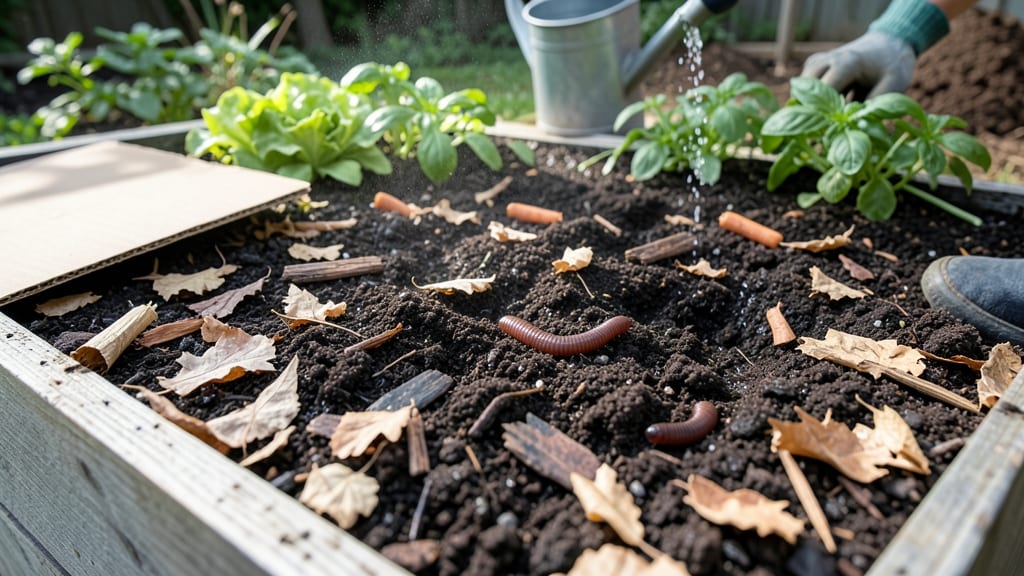
To attract earthworms to your garden, prioritize loose, organic soil with plenty of mulch or compost, water consistently without over-saturating, and avoid chemical fertilizers or pesticides. Plant nitrogen-fixing crops like clover or beans to boost their habitat appeal naturally.
Earthworms love gardens where the soil stays moist but not soggy, with plenty of organic material to munch on. 🌱 They thrive in slightly acidic soil (pH 6.0-7.0) and prefer loose, well-aerated conditions—think of it as their version of a cozy, well-maintained burrow.
The key is creating a balanced ecosystem where they can feed on decomposed plant matter while improving soil fertility.
I’ve found that adding a 2-3 inch layer of mulch (like shredded leaves or straw) in early spring keeps moisture levels steady and provides a food source, while avoiding synthetic chemicals keeps their environment safe.
Nitrogen-fixing plants like clover and beans aren’t just great for worms—they also enrich the soil naturally. These plants release nutrients as they decompose, making the garden even more inviting for earthworms.
For best results, plant them alongside your vegetables or flowers, and avoid tilling the soil too deeply, as worms prefer to stay near the surface where food and moisture are abundant.
💡 In This Article
- Why Earthworms Thrive in Specific Soil Conditions
- Best Organic Mulches and Plant Choices for Worm Attraction
Why earthworms thrive in specific soil conditions
Earthworms are picky about their living conditions because their survival depends on three critical factors: soil aeration, moisture balance, and organic matter availability.
Their bodies lack lungs, so they rely on tiny pores in the soil to absorb oxygen—this is why they prefer loose, well-aerated soil with a texture similar to crumbly coffee grounds.
Compacted soil suffocates them by cutting off oxygen flow, while loose soil allows their segmented bodies to move freely and create burrows that improve drainage and root penetration.
Moisture levels must stay in a precise range: too dry, and they dehydrate; too wet, and they drown. The ideal moisture content is like a wrung-out sponge—about 20-30% water by volume, which allows worms to move efficiently without their burrows collapsing.
They also prefer slightly acidic soil with a pH between 6.0 and 7.0, as this range supports the microbial life they consume. Most garden soils naturally fall within this range, but urban or heavily treated soils may need amendments like lime or sulfur to adjust pH.
Their diet consists primarily of decomposed organic matter, so gardens rich in mulch, compost, or leaf litter become worm magnets. These materials provide both food and shelter—their burrows can extend 3-6 feet deep, but they spend most of their time in the top 6 inches where organic debris accumulates.
What’s fascinating is how their burrowing activity aerates the soil: a single worm can create up to 10 feet of tunnels per year, which improves water infiltration and root growth by 50% or more compared to undisturbed soil.
Temperature also plays a role—earthworms are most active when soil temperatures range between 50-77°F. Below 40°F, they become sluggish, and above 85°F, they seek deeper, cooler layers.
This is why spring and fall are ideal times to introduce worm-friendly conditions: the soil stays within their preferred temperature range while still offering abundant moisture from seasonal rains. 🌱
Chemical fertilizers and pesticides are absolute turnoffs for earthworms. Many synthetic chemicals disrupt their nervous systems or kill the microbes they rely on for food. Even "organic" pesticides containing copper or iron can be harmful.
The best approach is to let nature do the work: compost tea or worm castings (their poop!) provide nutrients without toxicity, while avoiding tilling—which severs their burrows and exposes them to predators.
Here’s what happens when you get the conditions right: within 3-6 months, a healthy garden can support 1 million worms per acre. They’ll start appearing after rainfalls, especially at night when they’re most active.
Look for their telltale signs—small mounds of castings (feces) on the soil surface or fresh burrows that look like tiny tunnels. These are clear indicators your garden has become a worm paradise! 💫