
How To
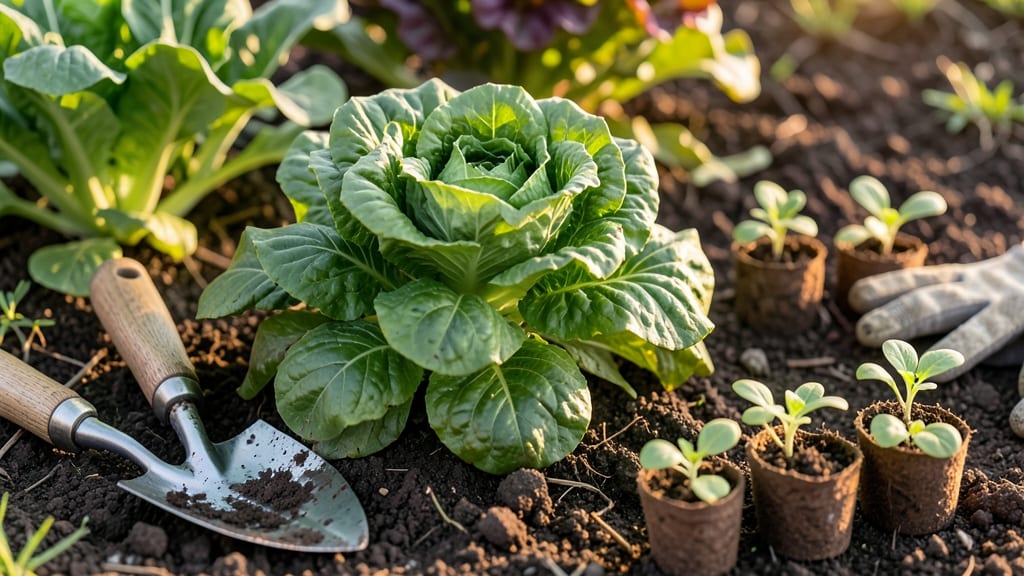
Growing a lettuce garden 🥬 delivers crisp, homegrown greens in as little as 30 days, making it the fastest crop for impatient gardeners.
Picture this: tender leaves ready to harvest by late spring, all from a patch you planted yourself—no fancy greenhouse or years of experience required. Even small spaces or partial shade can yield a bounty, provided you start with the right varieties and timing.
Lettuce thrives with consistent moisture and partial shade, but most beginners overcomplicate soil prep or spacing. The truth? You only need loose, nutrient-rich soil, 12-inch spacing, and a little patience to avoid common pitfalls like bolting or pests.
Below, I’ll walk you through the fastest varieties for sun or shade, step-by-step planting tips, and how to keep your garden producing all season—no guesswork included.

Step-by-step guide to planting a lettuce garden in any space
Lettuce thrives in almost any space—whether you have a sunny backyard, a shady balcony, or just a few containers on your patio. The key to success lies in understanding your light conditions, preparing the right soil, and maintaining consistent moisture levels.
Even if you're new to gardening, these simple steps will help you grow crisp, homegrown lettuce in as little as 30 days.
One of my favorite memories is watching lettuce seedlings pop up just days after planting—it's a quick win for any gardener! Let’s break down the process into actionable steps so you can enjoy fresh greens all season long, whether you're planting in spring or fall.
🌱 Step-by-Step Lettuce Planting Guide
- 1 Choose Your Lettuce Variety: Pick varieties suited to your space. For full sun, try Buttercrunch or Romaine. For partial shade, opt for Leaf Lettuce or Black Seeded Simpson.
- 2 Prepare Your Soil: Lettuce prefers loamy, well-draining soil with a pH of 6.0-7.0. Mix in 2-3 inches of compost to enrich the soil. If planting in containers, use a high-quality potting mix.
- 3 Select Your Planting Location: Lettuce grows well in 4-6 hours of sunlight but tolerates partial shade. For containers, place them near an east or west-facing window to avoid harsh afternoon sun.
- 4 Plant Seeds or Transplants: Sow seeds 1/4 inch deep, spacing them 12-18 inches apart in rows 12 inches apart. For transplants, space them 8-12 inches apart to allow room for growth.
- 5 Water Consistently: Keep soil moist but not soggy. Water early in the morning to reduce evaporation and fungal risks. Aim for 1/2 inch of water per week, adjusting for rain.
- 6 Apply Mulch: Spread 1-2 inches of mulch (straw or shredded leaves) to retain moisture, suppress weeds, and keep roots cool. This is especially helpful in hot climates.
- 7 Fertilize Lightly: Use a balanced fertilizer (5-10-10) every 4-6 weeks to encourage leafy growth. Avoid over-fertilizing, which can cause bolting (premature flowering).
- 8 Thin Seedlings: Once seedlings have 2-3 true leaves, thin them to the desired spacing to prevent overcrowding and improve air circulation.
- 9 Harvest at the Right Time: Start harvesting outer leaves when they reach 4-6 inches to encourage regrowth. For head lettuce, harvest the entire plant when fully mature (usually 45-60 days).
-
Top 5 fastest-growing lettuce varieties for beginners (sun vs shade)
If you're eager to harvest crisp, homegrown lettuce in record time, choosing the right variety makes all the difference. As someone who's tested dozens of varieties, I've found that fast-maturing lettuces like Black Seeded Simpson and Buttercrunch deliver results in just 30-40 days.
These varieties thrive in both sun and shade, making them perfect for containers, raised beds, or even your kitchen windowsill.
The key to success lies in matching your growing conditions with the right variety. Loose-leaf types like Salad Bowl grow quickly in partial shade, while crisphead varieties such as Iceberg (though slower) reward patience with sturdy leaves.
For beginners, I recommend starting with heat-tolerant varieties that resist bolting—especially if your summers are warm.
Here’s a quick comparison of my top 5 fastest-growing lettuce varieties, tailored for both sun and shade conditions:
For shade gardens, I always recommend Salad Bowl or Merlot—they thrive with just 3-4 hours of sunlight and deliver tender leaves in under a month. In full sun, Black Seeded Simpson and Arctic King are my go-tos for their speed and resilience.
Pro tip: Succession planting every 2 weeks ensures a continuous harvest all season long.
One mistake I see beginners make is overcrowding seedlings. Space lettuce plants 8-12 inches apart to prevent competition for nutrients and sunlight. If you're growing in containers, opt for loose-leaf varieties like Salad Bowl—they’ll give you multiple harvests from a single pot.
And remember, consistent moisture is key; let the soil dry slightly between waterings to avoid root rot.
Whether you're a balcony gardener or have a full backyard, these fast-growing varieties will transform your space into a crisp, green oasis in no time. Start with Black Seeded Simpson or Buttercrunch for a foolproof experience, and don’t forget to harvest outer leaves first to encourage regrowth. Happy growing!