Plants
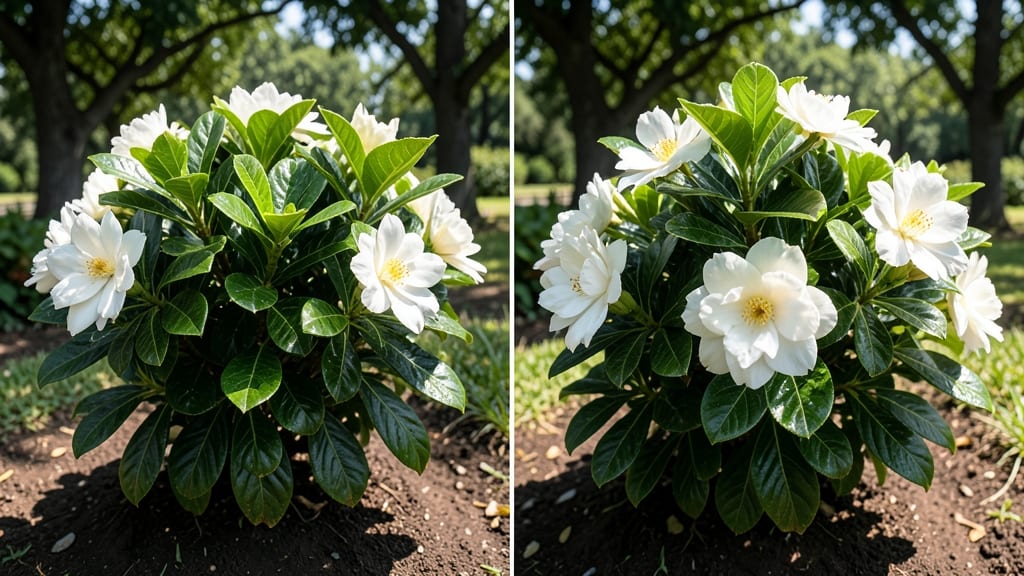
Gardenia plants thrive in partial shade with morning sun and afternoon shade — the secret to those perfumed blooms you’ve been dreaming of.
Struggling to keep your gardenia blooming lushly? The battle between sun and shade might be the hidden key to fragrant, year-round success—here’s how to crack the code.
Too much direct sun scorches the leaves, while too little shade stunts the flowers. In USDA Zone 6a, gardenias need 4-6 hours of bright, indirect light daily, ideally from an east-facing window or dappled outdoor spots.
Below, I’ll show you how to adjust light exposure by season, spot signs of stress, and pick the perfect spot for your 🌸 gardenia—whether it’s basking in filtered light or thriving in gentle shade.
 Best Window Placement
Optimal sunlight requirements for gardenia plants: balancing light for maximum blooms
If you’ve ever wondered why your gardenia plant refuses to bloom or why its leaves turn yellow, the answer might lie in its sunlight exposure. Gardenias thrive in partial shade, but finding the perfect balance between morning sun and afternoon shade can make or break their performance.
Too much direct sun causes leaf scorch, while too little shade leads to sparse blooms and leggy growth. Let’s break down the ideal conditions to keep your gardenias flourishing year-round.
Gardenias are native to tropical and subtropical regions, where they naturally grow under the dappled shade of taller trees. This means they need bright, indirect light—think of it as a filter coffee of sunlight.
In most climates, positioning your gardenia to receive 4 to 6 hours of filtered sunlight daily is ideal. For example, an east-facing window or a spot under a light canopy where morning sun gently warms the leaves while afternoon shade protects them from harsh rays.
Here’s the kicker: gardenias are not one-size-fits-all when it comes to light. Their needs vary based on your climate zone, the season, and even the variety you’re growing.
For instance, Gardenia jasminoides, the most common type, handles partial shade beautifully, while some hybrid varieties might tolerate a bit more sun. Let’s dive into how to tailor their light exposure for peak performance.
| Light Condition | Daily Sunlight Hours | Best For | Signs of Stress |
|---|---|---|---|
| Morning Sun + Afternoon Shade | 4-6 hours | Optimal blooming | Healthy green leaves, abundant flowers |
| Full Sun (6+ hours) | 6-8 hours | Hot climates (with afternoon shade) | Leaf burn, yellowing edges, fewer blooms |
| Deep Shade (<3 hours) | 2-3 hours | Indoor or heavily shaded gardens | Leggy growth, pale leaves, sparse blooms |
| Partial Shade (30-50% shade) | 3-5 hours | Most gardenia varieties | Balanced growth, moderate blooms |
Seasonal adjustments are key to keeping your gardenia happy. In spring and fall, when sunlight is gentler, you can gradually introduce more direct light to encourage blooming. However, during summer, especially in USDA zones 8-10, afternoon sun can be brutal.
If your gardenia is outdoors, consider moving it to a shadier spot or using a lightweight shade cloth (30-50% coverage) to protect it from leaf scorch. In cooler climates like zones 6-7, gardenias can handle a bit more sun, but always monitor for signs of stress.
One of the biggest mistakes gardeners make is ignoring the signs of light stress. If your gardenia’s leaves start turning yellow, it could mean too much direct sun or poor drainage. On the other hand, dark green but sparse leaves with few blooms often signal insufficient light.
Pay attention to these clues: crispy leaf edges = too much sun, stretched stems = not enough light. Adjusting their position or using reflective surfaces (like a white wall) can help bounce light gently onto the plant without overwhelming it.
For gardeners in urban settings or small spaces, indoor gardenias can thrive near east or north-facing windows, where they get bright, indirect light without the risk of overheating. If you’re growing gardenias in containers, rotate the pot every few weeks to ensure even light exposure on all sides.
This prevents lopsided growth and ensures your plant stays compact and bushy. Pro tip: If your indoor gardenia isn’t blooming, it might need a short period of cooler temperatures at night (like a balcony in mild evenings) to trigger flowering.
Regional differences play a huge role in sunlight management. In Florida or California, where the sun is intense year-round, gardenias should be planted under tree canopies or near structures that provide afternoon shade.
In Pacific Northwest or New England, where summers are mild, gardenias can handle more direct sun, especially in morning hours. Always observe how your gardenia responds to its environment—this is the best way to fine-tune its light exposure for maximum blooms and lush foliage.
Remember, gardenias are not low-maintenance when it comes to light—they’re delicate divas that reward careful attention. By giving them the right balance of sun and shade, you’ll be greeted with fragrant, creamy-white blooms that last from spring through fall.
Start experimenting with their placement today, and watch your gardenia transform into a showstopper in your garden or home! 🌸
How to adapt gardenias to sun or shade conditions without sacrificing flowers
Moving your gardenia between sun and shade doesn’t mean sacrificing those fragrant blooms. These plants thrive in partial shade but can adapt with the right adjustments. The key lies in gradual transitions, pruning strategies, and tweaking soil conditions to compensate for light changes.
If your gardenia struggles in full sun, it’s likely suffering from leaf scorch or sparse blooms. Conversely, too much shade can lead to leggy growth and fewer flowers. Let’s explore how to help your gardenia adjust without stressing the plant.
For outdoor gardenias, start by selecting a spot with dappled sunlight. If your gardenia currently gets too much sun, prune back sun-exposed branches by 1/3 to reduce stress. Focus on removing leafy growth on the plant’s sunniest side to encourage shade adaptation.
Indoor gardenias need similar adjustments. Place them near an east-facing window for gentle morning light. If your plant stretches toward the window, it’s light-starved. Rotate the pot weekly to ensure even growth, and supplement with a grow light (12-14 hours/day) during winter.
Soil and fertilizer play a critical role in helping gardenias adjust. Amend shady soil with compost and peat moss to improve fertility. For sun-adapted plants, use a balanced fertilizer (10-10-10) every 6 weeks to support blooming. Avoid high-nitrogen feeds, which promote foliage over flowers.
Monitor your gardenia’s response closely. Yellow leaves signal overwatering or nutrient issues, while brown edges indicate sunburn. Adjust watering to keep soil moist but not soggy, and mulch with pine bark to maintain acidic soil pH (5.0-6.5).
With patience and these adjustments, your gardenia will thrive in its new light conditions—producing abundant, fragrant blooms year-round. 🌸