How To
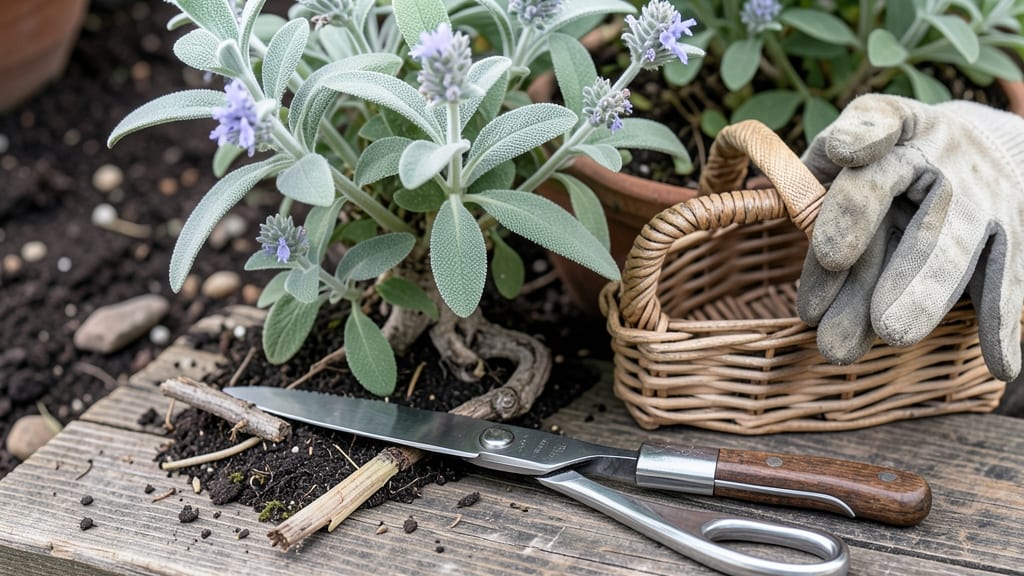
To harvest garden sage at its peak flavor, time your cuts just before flowering when the leaves are boldly aromatic and fully mature.
Picture this: you snip a sprig, rub it between your fingers, and that unmistakable piney, earthy scent fills the air—that’s the moment you’ve been waiting for. But miss the window, and the flavor fades fast, leaving you with bitter or woody leaves that ruin your dishes.
Harvesting sage the right way isn’t just about when you cut it—it’s about how you do it. A sharp pair of shears, the right pruning technique, and knowing which leaves to take (hint: never the woody stems) make all the difference between a vibrant herb and a sad, flavorless one.
In this guide, I’ll walk you through the exact steps to harvest sage for maximum flavor, plus how to store it fresh or dried so you can enjoy that garden-fresh taste all year long—no wilting or loss of aroma in sight.
When to harvest garden sage for maximum flavor and aroma
Timing your sage harvest correctly ensures the most bold, aromatic leaves packed with flavor. Unlike many herbs, sage doesn’t just get better with age—it peaks at specific growth stages, and missing these windows means sacrificing that signature earthy, piney taste we all love.
The key lies in understanding your plant’s seasonal cycle and how weather conditions influence its development.
Most gardeners make the mistake of harvesting too early or waiting too long, both of which dilute the flavor intensity. Young leaves might seem perfect, but they lack the oil concentration that develops as they mature.
Meanwhile, waiting until late fall risks woody stems and diminished potency. Let’s break down the exact moments when your sage is begging to be picked.
🌿 When to Harvest Sage for Peak Flavor
- 📅 Late Summer (August-September): Best time for first harvest when plants are 12-18 inches tall and leaves are fully developed.
- 🌱 Spring (May-June): Second harvest window if your climate is mild; focus on new growth after winter dormancy.
- ✂️ Before Flowering: Always harvest before buds form—flowering redirects the plant’s energy, reducing leaf potency by up to 40%.
- ☀️ Morning Harvests: Pick leaves in the early morning when essential oils are most concentrated (after dew dries but before noon heat).
- 🌡️ Avoid Frost: Never harvest after the first light frost—cold weakens the plant and alters flavor profiles dramatically.
Your sage plant’s age matters just as much as the season. Young leaves—those still unfolding—taste mild and grassy, lacking the complex terpene profile that develops in mature leaves.
Aim to harvest only the middle to upper leaves on stems, leaving the lower ones to keep the plant energized for future growth. This method ensures you’re always getting the most flavorful parts while encouraging bushier, healthier plants.
Weather plays a sneaky role too. After a light rain, sage leaves absorb extra moisture, making them slightly softer and less aromatic. If you must harvest after rain, wait until the foliage is completely dry—damp leaves can develop mold during storage.
Conversely, harvesting during hot afternoons (above 85°F) can cause the leaves to wilt quickly, losing their crisp texture and some of their volatile oils.
Here’s a quick trick to test for peak flavor: Rub a leaf between your fingers and sniff it. The best sage releases a strong, piney aroma immediately—almost like a fresh Christmas tree.
If it smells faint or musty, it’s past its prime. This simple test beats guessing and ensures you’re always harvesting at the perfect moment.
One common misconception is that you should harvest only the oldest leaves. While mature leaves do pack more flavor, removing too many old leaves at once can stress the plant. Instead, practice selective harvesting: Snip stems just above a set of leaves where new growth is visible.
This encourages the plant to produce more flavorful foliage while maintaining its vigor for future harvests.
Fall harvesting deserves special attention. In USDA Zone 6a (like much of the Midwest), your last harvest should happen by mid-October to avoid frost damage.
If your climate stays mild, you might squeeze in a late fall harvest, but prioritize leaves over stems—woody growth becomes more pronounced as temperatures drop. Always leave at least one-third of the plant intact to ensure it survives winter.
Pro tip: If you’re growing sage for culinary uses, harvest leaves just before they’re needed. Fresh sage loses 30% of its aroma within 48 hours of picking, even when stored properly.
For drying purposes, you can harvest a bit earlier (when leaves are fully mature but not yet woody), as drying concentrates the flavors over time. Just remember: timing is everything when it comes to unlocking sage’s full potential.
Finally, don’t overlook the regrowth cycle. Sage is a perennial herb, meaning it comes back year after year with proper care. If you harvest too aggressively in one season, you might reduce next year’s yield.
Strike a balance: harvest no more than one-third of the plant at a time, and always leave some leaves to photosynthesize and fuel new growth.
Step-by-step guide to proper sage leaf harvesting techniques
Harvesting garden sage correctly ensures you get the most aromatic leaves while keeping your plant healthy for future harvests. The key lies in timing, technique, and using the right tools to avoid damaging the plant.
Whether you're harvesting for fresh cooking or drying purposes, follow these steps to maximize flavor and yield.
Before you begin, gather your harvesting tools: sharp pruning shears, a clean knife, and a bowl or basket to collect your leaves. Avoid using dull tools, as they can crush stems and damage the plant.
Always work on a dry morning after the dew has evaporated to prevent fungal issues and ensure the leaves are at their freshest.
- 1 Choose the right time: Harvest garden sage in late summer or early fall (August-October) when leaves are fully mature but before flowers appear. This ensures the strongest flavor and aroma.
- 2 Select healthy stems: Look for wooden stems with at least 3-4 sets of leaves. Avoid stems with yellow or brown leaves, as they indicate poor quality or disease.
- 3 Use clean tools: Snip stems just above a leaf node (where leaves grow) using sharp pruning shears. This encourages new growth and prevents damage to the plant.
- 4 Harvest leaves vs. stems: For fresh cooking, pick individual leaves from the top of the plant. For drying, harvest entire stem sections to preserve flavor.
- 5 Avoid over-harvesting: Never remove more than one-third of the plant at once. This ensures your sage plant stays healthy and continues producing flavorful leaves for future harvests.
- 6 Store immediately: Place harvested sage in a paper bag or mesh bag to allow airflow. Store in the refrigerator for up to 1 week or dry within 24 hours for long-term storage.
When harvesting garden sage, focus on the younger leaves for the most tender and flavorful results. Older leaves can be tougher but still aromatic, making them ideal for drying or making sage butter.
If you're growing sage in containers, be extra cautious not to over-harvest, as potted plants have limited resources.
After harvesting, give your plant a little extra care to encourage regrowth. Water deeply and apply a light fertilizer if needed, but avoid over-fertilizing, which can reduce flavor. With proper care, your sage plant will reward you with multiple harvests throughout the growing season.
Pro tip: If you notice yellowing leaves or stunted growth after harvesting, your plant may need more sunlight or nutrients. Sage thrives in full sun, so ensure it gets at least 6 hours of sunlight daily to maintain its health and flavor.