
Planting
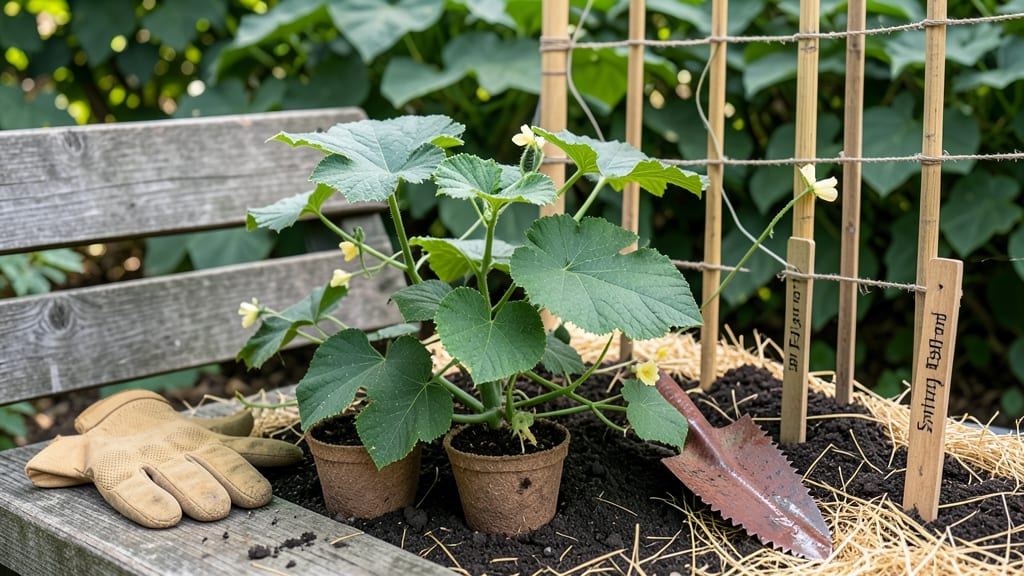
Planting cucumbers in a garden is easier than you think, and the right spacing, soil, and support can turn your patch into a high-yielding 🥒 powerhouse.
Cucumbers are one of the fastest-growing vegetables, but their sprawling vines can quickly turn your garden into a tangled mess—unless you plant them right. With the right spacing, soil prep, and support system, you can transform a chaotic vine jungle into a high-yielding, space-efficient cucumber paradise.
In this guide, I’ll walk you through the step-by-step process for planting cucumbers, from soil prep to trellis setups, so you can avoid common mistakes and maximize your harvest. Whether you’re growing in containers or in-ground, these beginner-friendly tips will set you up for success.
You’ll learn how to pick the best location, prepare the soil, and care for your plants to ensure a bountiful harvest from June through September—no green thumb required!


Step-by-step guide to planting cucumbers for maximum yield
Growing cucumbers starts with healthy seeds and prepared soil. Choose heirloom or hybrid varieties suited to your climate—slicing types like 'Straight Eight' or bush varieties like 'Bush Champion' work well for beginners.
For warm climates, aim to plant seeds 2-3 weeks after your last frost date, when soil temperatures hit 60°F or higher. This timing ensures rapid germination and strong vine development.
Before planting, test your soil’s pH level—cucumbers thrive in slightly acidic to neutral soil (pH 6.0-6.8). Amend the soil with compost or aged manure to improve drainage and fertility.
Avoid fresh manure, as it can burn tender roots. Work in organic matter like leaf mold or peat moss to create loose, crumbly soil that encourages healthy root growth.
How to Plant Cucumbers in a Garden
- 1 Prepare Planting Holes: Dig holes ½ inch deep and 1 inch wide, spacing them 36-48 inches apart for vining varieties or 18-24 inches apart for bush types. This spacing prevents overcrowding and improves air circulation.
- 2 Plant Seeds Correctly: Place 2-3 seeds per hole, spacing them 1 inch apart. Cover with soil and gently pat it down to ensure good seed-to-soil contact. Avoid pressing too hard, as this can compact the soil and hinder root growth.
- 3 Water Immediately: Water the soil deeply (1 inch) to settle seeds and encourage germination. Keep the soil consistently moist but not waterlogged, as soggy conditions can lead to rot. Use a fine mist spray for seedlings to avoid dislodging them.
- 4 Thin Seedlings: Once seedlings reach 2 inches tall, thin them to 1-2 strongest plants per hole. Snip weaker seedlings at the base with scissors to avoid disturbing roots. This step reduces competition for nutrients and promotes healthier growth.
- 5 Add Mulch: Apply a 2-3 inch layer of mulch (straw or shredded leaves) around plants to retain moisture, suppress weeds, and regulate soil temperature. Mulch also reduces the risk of soil-borne diseases by keeping foliage dry.
After planting, place trellis supports nearby to guide vines upward, especially for long-vining varieties. This not only saves space but also improves air flow, reducing the risk of fungal diseases like powdery mildew.
For bush varieties, a low cage or minimal support suffices. Ensure the trellis is sturdy—cucumber vines can weigh up to 20 pounds per plant when fully loaded with fruit.
Monitor soil moisture closely during the first 2-3 weeks after planting. Cucumbers have shallow root systems initially, making them susceptible to drought stress. Water at the base of the plant in the morning to allow foliage to dry quickly, which helps prevent fungal infections.
Avoid wetting leaves, as this creates ideal conditions for diseases like downy mildew.
Once seedlings develop 2-3 true leaves, consider adding a balanced fertilizer (10-10-10) to promote leafy growth. Apply it lightly (1 tbsp per plant) and water it in immediately to prevent root burn.
Over-fertilizing at this stage can lead to excessive foliage at the expense of fruit production. Focus on root development first—healthy roots mean stronger vines and higher yields later.
In warm climates, cucumbers grow best when planted in early spring or late summer. For a continuous harvest, succession plant seeds every 2-3 weeks until 6-8 weeks before your first frost.
This staggered approach ensures you have cucumbers ripening at different times, extending your harvest window. In regions with hot summers, provide afternoon shade to prevent vines from overheating.
Finally, watch for pests like cucumber beetles or aphids, which can damage young plants. Use row covers or neem oil sprays as a preventive measure.
Healthy, well-spaced cucumber plants are less susceptible to pests and diseases, so your early efforts in soil prep and spacing will pay off with a bountiful, low-maintenance harvest.
Best trellis and support systems for cucumbers (vertical vs. horizontal growth)
Choosing the right trellis system for your cucumbers can double your yield while keeping your garden organized. Without support, vines sprawl uncontrollably, leading to crowded fruit, poor air circulation, and increased disease risk.
The key is matching your cucumber variety to the right structure—whether it's vertical training for slicing types or horizontal growth for bush varieties.
Vertical supports like A-frame trellises or string systems work best for vining cucumbers (e.g., 'Straight Eight' or 'Marketmore'), directing energy upward and improving air flow. Meanwhile, bush varieties (like 'Bush Champion') thrive with minimal support or small cages.
Let's break down the best options based on your space, variety, and gardening goals.
| Support Type | Best For | Yield Impact | Disease Prevention | DIY Difficulty |
|---|---|---|---|---|
| A-Frame Trellis | Vining slicing cucumbers | 30-50% increase | Excellent (better airflow) | Moderate (requires stakes) |
| String Trellis | Pickling cucumbers | 20-40% increase | Good (easy to adjust) | Easy (minimal materials) |
| Wire Cage | Bush varieties | Minimal increase (compact growth) | Fair (limited airflow) | Easy (pre-made options) |
| Horizontal Stakes | Heirloom varieties | 15-30% increase | Good (controlled sprawl) | Easy (simple setup) |
For DIY trellises, an A-frame is my go-to—simply drive two 6-foot stakes into the ground, 3 feet apart, and weave twine or jute rope in a crisscross pattern. This creates a sturdy frame that supports 6-8 feet of vine growth while keeping fruit off the ground.
For pickling cucumbers, a simple string trellis (stretched between posts) works perfectly—they produce smaller fruit that ripens quickly.
Bush cucumbers like 'Bush Champion' rarely need support, but a low wire cage (about 2 feet tall) can help contain their 2-3 foot spread. This prevents fruit from rotting in the soil while saving space. Pro tip: Train vining varieties vertically for disease prevention—better airflow reduces powdery mildew risk by up to 40%.
If you're short on space, consider horizontal training for heirloom varieties. Use wooden stakes spaced 12 inches apart and weave vines horizontally. This method works well for slicing cucumbers like 'Lemon Cucumber' and keeps fruit accessible for harvesting.
Just be sure to prune side shoots to focus energy on fruit production.
Remember, the right support isn't just about aesthetics—it's about maximizing your harvest while keeping your plants healthy. Start with a low-maintenance option like a string trellis, and upgrade to a sturdy A-frame if you're growing heavy-yielding varieties. Your cucumbers (and your back!) will thank you.