
Tools
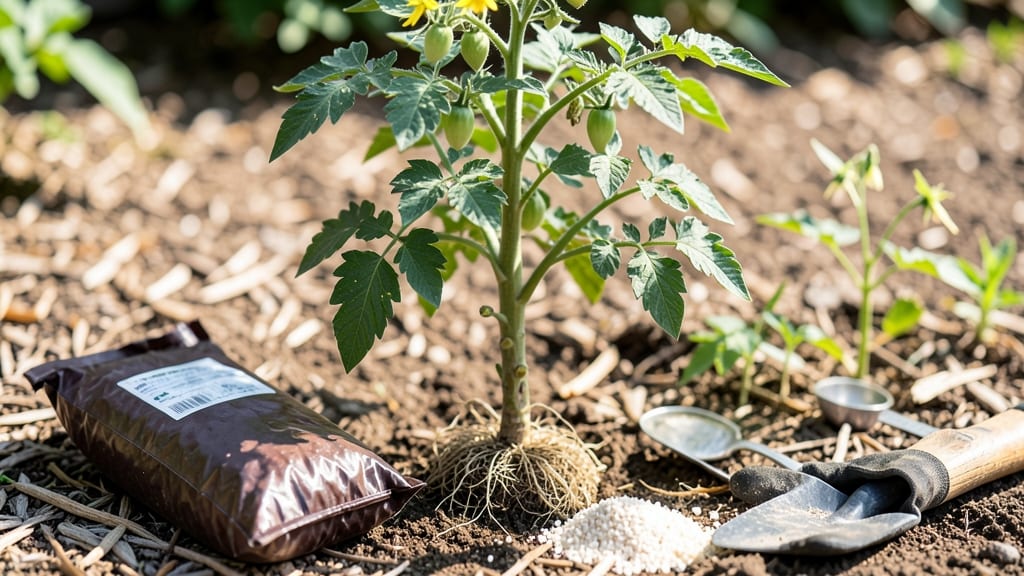
How to use bone meal in the garden is one of the simplest ways to give plants a phosphorus boost for stronger roots and bigger blooms—just mix it into the soil at the right time and in the right amounts.
Struggling with stunted root growth or lackluster blooms in your garden? Bone meal could be the organic secret weapon you’ve been missing—packed with phosphorus to fuel strong roots and vibrant flowers, but only if used correctly.
This high-phosphorus fertilizer works best when worked into the soil at planting time, but timing and dosage matter. Too much can burn roots, while too little won’t deliver the results you’re after.
In this guide, I’ll walk you through exactly when, where, and how much to use bone meal, plus which plants benefit most—and which ones don’t need it at all.
When and how to apply bone meal for maximum root and bloom growth
Bone meal is one of the best organic fertilizers for gardeners who want to boost root development and flower production. Packed with phosphorus (P), it helps plants establish strong roots and produce vibrant blooms—but timing and application matter. Use it wrong, and you might end up with nutrient burn or wasted fertilizer. Let’s break down the best when and how to apply bone meal for the best results.
The key to using bone meal effectively is understanding its high-phosphorus nature. Unlike nitrogen-heavy fertilizers, phosphorus focuses on root growth and flowering, making it ideal for plants like tomatoes, roses, and peppers.
However, overuse can lead to nutrient imbalance or even leaf burn. That’s why knowing the right application timing and methods is crucial.
Most gardeners make two common mistakes: applying bone meal at the wrong time or using too much at once. The best approach is to incorporate it into the soil during planting or early growth stages, rather than mid-season.
This ensures the phosphorus is available when plants need it most—when roots are establishing and flowers are forming.
Here’s a quick reference for how to use bone meal in your garden, including application rates, best timing, and soil prep tips to maximize its benefits.
For granular bone meal, the most common form, simply sprinkle it into the planting hole or mix it into the top 6 inches of soil. A general rule is 1 tablespoon per plant or 1 cup per 10 square feet of garden bed.
This ensures a balanced phosphorus boost without overwhelming your plants. If you’re using liquid bone meal, follow the label instructions carefully—it’s more concentrated and requires dilution.
Timing is everything when it comes to bone meal. The best time to apply it is during planting or transplanting, when roots are actively growing. For established plants, apply it in early spring or early fall to support new root development and prepare for the next growing season.
Avoid applying bone meal during active flowering unless you’re seeing signs of phosphorus deficiency, like purple stems or small, weak blooms.
One of the biggest mistakes gardeners make is overapplying bone meal. Since it’s high in phosphorus, too much can lead to nutrient lockout, where plants struggle to absorb other essential nutrients like nitrogen or potassium.
Always follow the recommended rates and avoid using bone meal as a general-purpose fertilizer. Instead, pair it with a balanced organic fertilizer like compost or a 10-10-10 blend for best results.
If you’re working with container gardens, bone meal can be especially beneficial for root-bound plants. Mix 1-2 tablespoons into the potting soil at planting time, and top-dress with a light layer of compost to help retain moisture and nutrients.
For vegetable gardens, focus on phosphorus-loving crops like tomatoes, peppers, and onions, which thrive with a phosphorus boost.
For perennial plants, like roses or fruit trees, a fall application of bone meal can help build strong roots over winter, setting the stage for bigger blooms or higher yields the following year.
Just remember to water thoroughly after application to help the phosphorus dissolve and become available to your plants.
Finally, if you’re new to bone meal, start small. Test a small patch of your garden first to see how your plants respond. Look for signs of improved root growth, healthier foliage, and more abundant blooms.
If you notice yellowing leaves or stunted growth, it might be a sign of overapplication or poor soil conditions. Adjust your approach and monitor your plants closely.
Best plants to use bone meal with (and which ones to avoid)
Bone meal is a phosphorus powerhouse, but not every plant needs its boost. Flowering plants and root crops love it, while leafy greens often do just fine without.
Think of it as a root and bloom fertilizer—perfect for tomatoes, roses, and peppers, but risky for plants like lettuce or kale. Let’s break down which plants thrive with bone meal and which ones you should avoid feeding it to.
For tomatoes, peppers, and eggplants, bone meal is a game-changer. These fruiting vegetables rely on phosphorus to develop strong roots and heavy yields. A 1 tablespoon per plant at planting time can lead to 30-50% more production in your garden.
Roses also crave phosphorus—it’s the secret to those bold, vibrant blooms you’ve been dreaming of. Even bulb plants like tulips and daffodils benefit from bone meal, as it encourages deeper, more robust root systems for next year’s growth.
But here’s the catch: leafy greens like spinach, lettuce, and Swiss chard don’t need extra phosphorus. Too much can actually disrupt their growth, leading to bitter leaves or stunted development. The same goes for brassicas like broccoli, cabbage, and Brussels sprouts.
These plants prefer a balanced fertilizer with more nitrogen to fuel their leafy growth. Overdoing bone meal can cause nutrient imbalances, leaving your plants looking stressed.
Now, let’s talk about the red flags of over-application. If your plants develop brown or crispy leaf edges, it’s a sign of phosphorus burn. You might also notice purple tinges on stems or slow growth despite plenty of water.
These are clear signals to cut back on bone meal and focus on balanced organic fertilizers instead. Always remember: less is more when it comes to phosphorus-heavy amendments.
Bone Meal: Pros & Cons for Your Garden
✅ Pros
- ✔ Boosts root growth in 3-4 weeks
- ✔ Enhances blooms in roses, tomatoes
- ✔ Organic and slow-release
- ✔ Improves bulb strength for perennials
❌ Cons
- ✖ Overuse causes leaf burn (brown edges)
- ✖ Not ideal for leafy greens (spinach, lettuce)
- ✖ Can disrupt nitrogen balance in soil
- ✖ Slow to break down in cold climates
If you’re growing fruit trees or berry bushes, bone meal can help establish strong root systems for young plants. Just work it into the soil during planting and avoid applying it later in the season—too much phosphorus can delay fruiting as the plant focuses on roots instead.
For houseplants like African violets or orchids, a light dusting around the base can encourage more frequent blooming, but again, moderation is key.
For vegetable gardens, focus bone meal on heavy feeders like corn, squash, and cucumbers. These plants need phosphorus for vigorous vines and abundant fruit production. However, if you’re growing radishes or carrots, skip the bone meal—they prefer loose, nitrogen-rich soil for quick, tender roots.
Always test your soil first to check phosphorus levels before adding bone meal. A simple home soil test kit can save you from over-fertilizing and wasting money.
In summary, bone meal is a powerful tool for root and bloom enhancement, but it’s not a one-size-fits-all solution. Use it wisely on phosphorus-loving plants, and avoid it entirely for leafy greens and brassicas. When in doubt, start small—a little goes a long way in the garden! 🌱