Watering
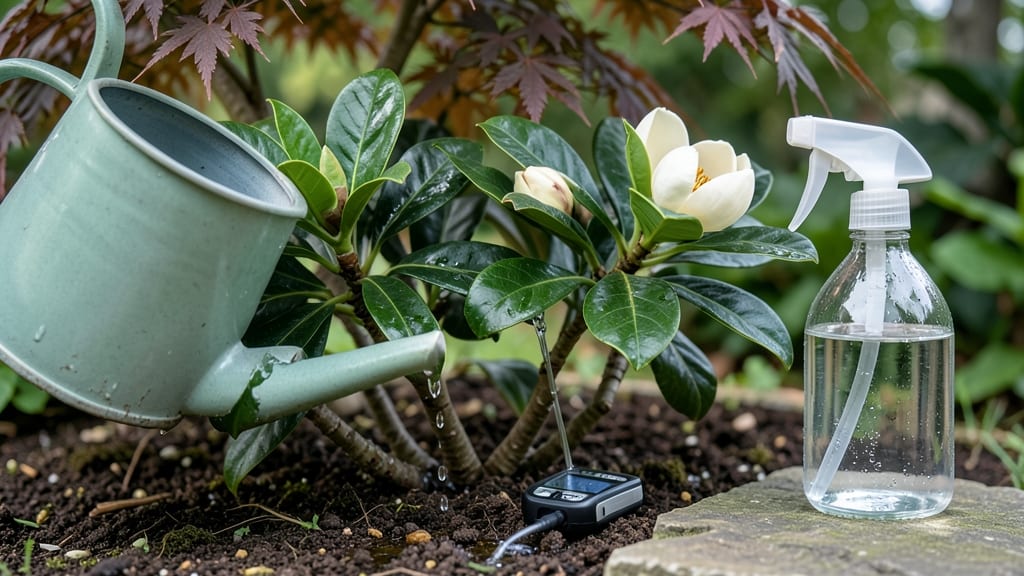
To water a gardenia properly, you need a routine that keeps its soil consistently moist without turning it soggy—think of it as giving your 🌸 a tropical spa day, not a swamp.
Struggling to keep your gardenia blooming? The secret isn’t just love—it’s mastering the perfect watering routine that mimics its natural tropical habitat without drowning its delicate roots.
Most gardeners overthink it, but the key is simple: deep, infrequent watering that reaches the roots while keeping the surface slightly dry. This prevents fungal issues and encourages those fragrant blooms you’re dreaming of.
In this guide, I’ll break down the exact schedule for your gardenia’s needs—whether it’s in a pot or planted in the ground—plus how to adjust for heatwaves, rain, and even winter dormancy. No more guesswork, just lush, happy plants.
Gardenias need consistent moisture: the right watering schedule for lush blooms
Gardenias thrive in tropical humidity, but their delicate roots demand precision watering—not too much, not too little. Unlike drought-tolerant plants, gardenias wilts visibly when thirsty and rot when soggy. The key? Mimicking their natural moist, well-draining soil while avoiding waterlogged conditions that strangle roots.
Most gardeners overcompensate after seeing droopy leaves, leading to root suffocation. Instead, focus on deep, infrequent watering that encourages strong root growth. A mature gardenia needs 1-2 gallons of water per week, but this varies by soil type, pot size, and season.
Let’s break down the science-backed schedule to keep your gardenia blooming like a pro.
🌸
Your gardenia’s soil type dictates how often you water. Clay soil holds moisture longer, so check the top 1 inch before watering, while sandy soil drains quickly—water when the top 2-3 inches feel dry.
Use your finger to test: push it 1 inch deep; if dry, it’s time to water.
For container gardenias, roots dry out faster due to limited soil volume. Weigh the pot—if it feels light, it’s thirsty. Potted plants also need daily misting in summer to boost humidity, but avoid wetting leaves to prevent fungal diseases like powdery mildew.
A pebble tray under the pot adds extra moisture without overwatering.
💧
Mature gardenias (3+ years old) handle moisture better than young plants. A 3-year-old shrub might only need watering every 5-7 days in spring, while a 1-year-old needs weekly checks. Always water at the base, not the leaves, to protect blooms. If your gardenia drops buds, it’s often due to fluctuating moisture—stick to a consistent schedule to prevent stress.
Pro tip: Mulch with 2-3 inches of pine bark or cocoa hulls (acidic) to retain moisture and regulate soil temperature. This reduces watering frequency by 30% while keeping roots cool. Just keep mulch 2 inches away from the trunk to avoid rot.
🌿
Watch for yellowing leaves—a classic sign of overwatering—or crispy edges, which mean underwatering. Adjust your routine based on your gardenia’s seasonal needs. In summer, water daily if temperatures exceed 90°F, but reduce to every other day in fall.
Always water early in the morning to let foliage dry before evening humidity spikes.
With this science-backed schedule, your gardenia will reward you with fragrant, glossy blooms all season. The secret? Consistency. Avoid guesswork—check moisture levels, adjust for your climate, and soon, your gardenia will thrive like it’s basking in its native tropical paradise.
3 Common watering mistakes that kill gardenias (and how to fix them)
Your gardenia’s drooping leaves or yellowing blooms might not be from neglect—they’re often a watering crisis in disguise. Gardenias thrive in consistent moisture but wilt from both overwatering and underwatering. The key is balance, and most gardeners tip the scale in the wrong direction without realizing it.
I’ve seen gardenias drown in soggy soil one week and shrivel in dry pots the next—both equally deadly. The problem? Root rot from excess water and stress-induced dormancy from drought share the same symptoms: wilting, yellow leaves, and dropped buds.
Without proper drainage, your gardenia’s roots suffocate, while shallow watering leaves them parched.
⚠️ Warning: The Silent Watering Killers
Mistake 1: Watering on a schedule – Gardenias need consistent soil moisture, not clock-based watering. Stick your finger 2 inches deep—if it’s dry, water; if damp, wait.
Mistake 2: Letting soil pool – Poor drainage is a death sentence. Amend heavy soil with perlite or sand (20% mix) to prevent root rot.
Mistake 3: Surface sprinkling – Shallow watering encourages weak roots. Instead, deep-water until it drains from the bottom (1–2 gallons per mature plant).
Let’s start with the overwatering trap. Many gardeners assume tropical plants like gardenias need constant soggy soil, but their roots rot in 3–5 days without airflow. Look for mushy stems, blackened leaves, or a foul smell near the base—these are root rot red flags.
If you’ve overwatered, stop immediately and let the top 3 inches of soil dry out before watering again.
On the flip side, underwatering stresses gardenias into dropping buds and crispy leaf edges. Unlike drought-tolerant plants, gardenias can’t recover from prolonged dry spells. Test moisture by squeezing a handful of soil—if it crumbles like sand, it’s time to water.
For potted gardenias, check soil moisture daily in summer since containers dry out faster.
Here’s my pro tip: Use a moisture meter ($10 at garden centers) to avoid guesswork. Aim for 60–70% moisture at 2 inches deep. If your gardenia is in full sun, water daily in summer but reduce to every 3–4 days in partial shade.
Mulch with pine bark (acidic!) to retain moisture and mimic its native forest floor.
Fix these mistakes, and your gardenia will reward you with glossy leaves and heavy blooms all season. The secret? Deep, infrequent watering with well-draining soil—not a spray bottle or a rigid schedule. Your gardenia’s roots will thank you! 🌸