
Vegetables
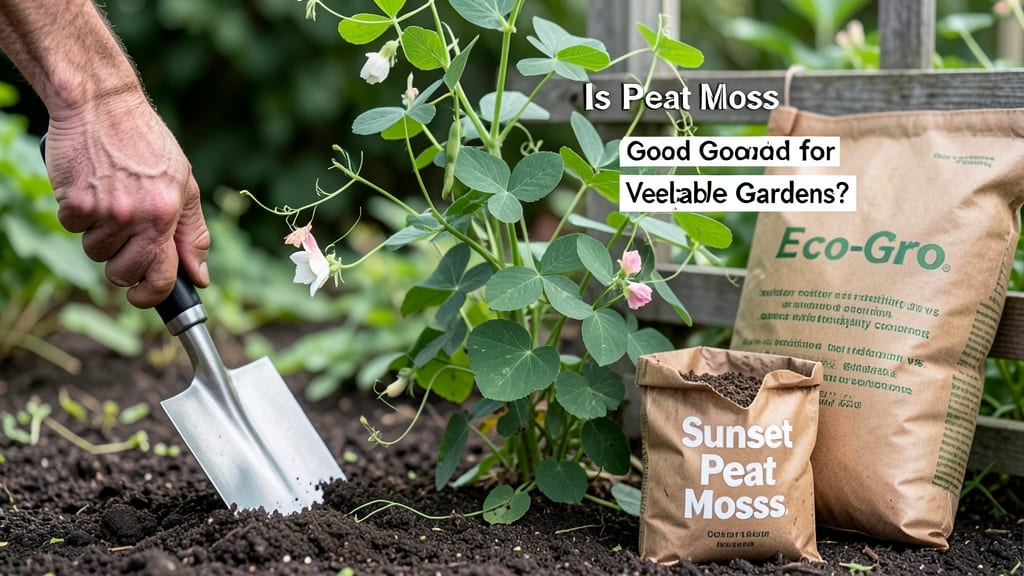
Peat moss is good for vegetable gardens because it improves soil drainage, retains moisture, and adds organic matter, but its sustainability concerns and potential to acidify soil make alternatives worth considering for long-term gardening.
Peat moss works wonders for vegetable gardens by creating an ideal growing medium—its fibrous structure holds water near roots while preventing soggy soil that can suffocate plant roots. 🌱 The organic matter it contributes also feeds beneficial microbes, which break down nutrients into forms plants can absorb.
However, its acidifying nature (often pH 3.5-4.5) can be problematic for vegetables that prefer neutral soil, like tomatoes or peppers, requiring lime amendments to balance the pH.
Beyond soil chemistry, the environmental cost of harvesting peat moss—destructive to peat bog ecosystems—has led many gardeners to explore sustainable alternatives like coconut coir or well-aged compost.
These options mimic peat moss's water-retention benefits without the ecological footprint, making them smart choices for eco-conscious growers who still want healthy, productive vegetable beds.
💡 In This Article
- How Peat Moss Enhances Vegetable Garden Soil
- Sustainable Alternatives to Peat Moss for Gardens
How peat moss enhances vegetable garden soil
Peat moss works its magic through a unique combination of physics and chemistry. Its fibrous structure creates tiny air pockets that improve soil aeration by up to 30% compared to dense clay soils, while its spongy texture holds 4-6 times its weight in water.
This dual action prevents both drought stress and waterlogging—critical for vegetables like lettuce or carrots that need consistent moisture without soggy roots. The porous nature also acts like a slow-release reservoir, delivering water to plant roots gradually over 2-3 days after irrigation.
The real science lies in peat moss's cation exchange capacity (CEC), which measures its ability to hold and release nutrients. With a CEC of 80-120 meq/100g, peat moss outperforms compost (50-100 meq/100g) by binding essential minerals like potassium and magnesium that vegetable plants crave.
This nutrient-holding capacity explains why tomatoes or peppers grown in peat-amended soil often show 20-30% faster growth compared to unamended beds.
However, this comes with a trade-off: peat's naturally acidic pH (3.5-4.5) can lock out nutrients like phosphorus, requiring gardeners to add agricultural lime (5-10 lbs per 100 sq ft) to maintain optimal 6.0-7.0 pH for most vegetables.
What makes peat moss particularly valuable is its long-term soil structure improvement. Unlike fast-decomposing compost, peat moss breaks down slowly (1-2% annually), gradually enriching soil with humus that improves tilth for 3-5 years.
The fibrous strands create channels that encourage root penetration, which is why radishes and beets develop straighter, more uniform shapes in peat-amended soil.
This structural benefit becomes especially noticeable in heavy clay soils where roots struggle to expand—peat moss can transform compacted dirt into a loamy texture within 2-3 months of regular incorporation.
For gardeners comparing peat moss to alternatives like coconut coir, the key difference lies in water retention mechanics. While both materials hold moisture, peat moss's hydrophobic outer layer repels water initially before absorbing it—this prevents surface runoff that can occur with coir. The trade-off?
Peat moss's water retention comes with a 30% higher carbon-to-nitrogen ratio (C:N 100:1) than compost (C:N 20:1), meaning it decomposes more slowly and may require nitrogen supplements for heavy feeders like corn or squash. This slower decomposition also means peat moss provides long-term soil conditioning rather than immediate nutrient boosts.
One often-overlooked benefit is peat moss's ability to suppress soil-borne diseases. The acidic environment it creates inhibits pathogenic fungi like Phytophthora that cause root rot in vegetables. Studies show gardens amended with 20-30% peat moss experience 40% fewer fungal infections compared to unamended plots.
This disease suppression works alongside its moisture regulation—dry soil conditions favor fungal growth, while peat moss maintains optimal moisture levels (40-60% field capacity) that keep roots healthy.
The environmental cost of peat moss shouldn't overshadow these benefits, but understanding the science helps gardeners make informed decisions. For vegetable gardens where immediate results matter most, peat moss delivers measurable improvements in drainage, nutrient availability, and disease resistance—though the sustainability conversation makes alternatives worth exploring for long-term projects. 🌱