Tools
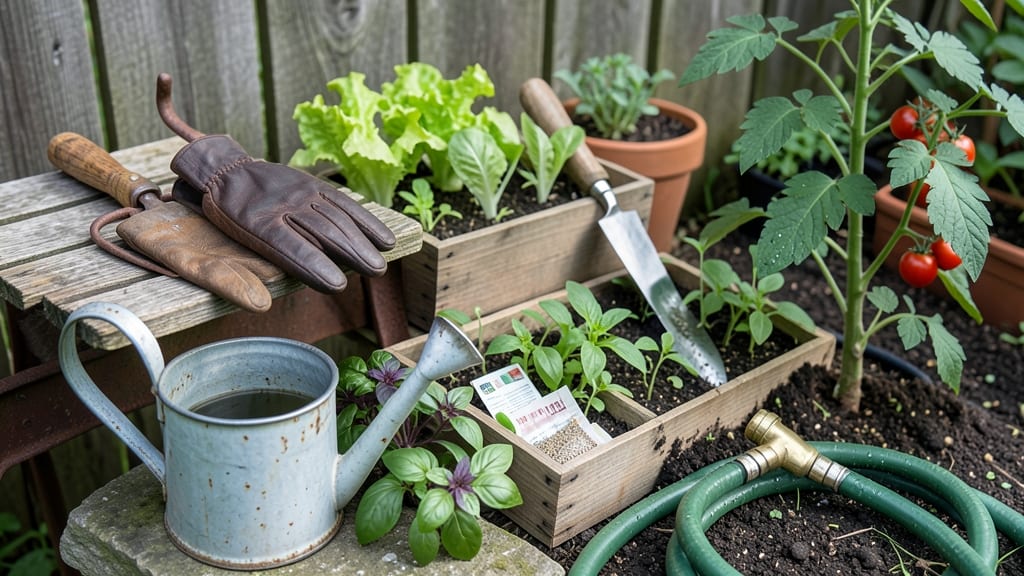
Taking the right steps for gardening can turn a patch of soil into a lush, productive space—even if you’re starting from scratch.
Picture this: you’re standing in front of a blank yard, unsure where to begin. The good news? Gardening doesn’t require a green thumb or years of experience—just a clear plan and the right techniques.
Whether you’re growing veggies, flowers, or herbs, breaking the process into simple stages makes it manageable and rewarding.
From preparing your soil to choosing the best plants for your space, each step builds on the last. You’ll learn how to water efficiently, protect your plants from pests, and keep your garden thriving all season long. No more guesswork—just proven methods that work for beginners and seasoned gardeners alike.
By the end, you’ll have a garden that not only survives but flourishes, giving you fresh produce, vibrant blooms, or a serene outdoor space. Let’s get started with the essential steps that set you up for success.
7 Essential steps for gardening success from soil to harvest
Gardening success starts with a clear plan and the right techniques. Whether you're growing vegetables, flowers, or herbs, these 7 essential steps will set you up for a bountiful harvest.
I’ve learned through years of trial and error that skipping even one step can mean the difference between a thriving garden and a struggling one. Let’s break it down so you can avoid common pitfalls and enjoy the rewards of your hard work.
First, you’ll need to assess your garden site and understand your climate zone. This isn’t just about picking a sunny spot—it’s about matching your plants to their ideal growing conditions. For example, tomatoes and peppers thrive in full sun, while lettuce prefers partial shade.
Knowing your last frost date (like April 15 in Zone 6a) helps you time your plantings perfectly. Skipping this step often leads to frost damage or stunted growth.
Choose the Perfect Location
Select a spot with 6+ hours of sunlight for most vegetables and 4-6 hours for shade-loving plants. Avoid low-lying areas where cold air collects, and ensure good air circulation to prevent diseases.
Test and Improve Your Soil
Use a soil test kit to check pH (ideal: 6.0-7.0 for most plants). Amend with compost or aged manure to boost nutrients. Loosen the soil to a depth of 12 inches for better root growth.
Plan Your Planting Schedule
Follow your frost-free days (165 days in Zone 6a). Start seeds indoors 6-8 weeks before the last frost, or plant directly after soil warms to 60°F. Succession planting keeps harvests coming all season.
Plant with Care
Dig holes twice as wide as the root ball and no deeper than the container level. Water thoroughly after planting to eliminate air pockets. Space plants according to their mature size to avoid crowding.
Master Watering Techniques
Water deeply in the morning (before 10 AM) to reduce evaporation and fungal risks. Use drip irrigation or soaker hoses for consistent moisture. Most plants need 1-1.5 inches of water weekly, but adjust for heatwaves.
Monitor and Control Pests
Inspect plants weekly for pests like aphids or powdery mildew. Use neem oil or insecticidal soap for organic control. Encourage beneficial insects like ladybugs by planting marigolds or basil nearby.
Maintain and Harvest Regularly
Fertilize every 4-6 weeks with a balanced 10-10-10 mix. Mulch with straw or wood chips to retain moisture and suppress weeds. Harvest vegetables and herbs in the morning for peak flavor and encourage continuous production.
Once you’ve planted, consistent maintenance is key. I can’t stress enough how important it is to water deeply and regularly—shallow watering encourages weak root systems. For example, my tomato plants produced twice as much fruit after I switched to deep watering twice a week.
Mulching also saves time by reducing weeds, which means less competition for your plants’ nutrients.
Pest control often catches gardeners off guard, but a little prevention goes a long way. I’ve found that companion planting—like pairing carrots with onions—deters pests naturally.
If problems arise, act fast: remove affected leaves immediately and treat with organic sprays. Ignoring early signs can lead to widespread infestations that are harder to manage.
Finally, don’t forget to harvest at the right time. For leafy greens, pick outer leaves to encourage regrowth. With tomatoes, wait until they’re fully colored and slightly soft to the touch.
Harvesting regularly also signals to plants that it’s time to produce more, extending your growing season. I’ve had peppers keep bearing fruit well into fall because I harvested them consistently.
By following these 7 essential steps, you’ll create a garden that not only survives but thrives. The key is patience and observation—your plants will tell you what they need if you listen closely. Happy gardening! 🌱
How to choose the right plants for your gardening climate and skill level
Selecting the perfect plants for your garden starts with understanding your hardiness zone and sunlight exposure. These two factors determine which plants will thrive with minimal stress, saving you time and frustration.
For example, zones 5-7 support hardy perennials like coneflowers, while zones 8-10 allow tropical plants like bougainvillea to flourish. Always check the USDA Plant Hardiness Zone Map to match your location.
Next, assess your garden's sunlight patterns. Most vegetables and herbs need 6-8 hours of full sun**, but shade-loving plants like hostas or ferns thrive in dappled light. Observe your space for at least a day—note where sunlight hits and for how long.
This simple step prevents common mistakes like planting sun-starved tomatoes or wilting ferns in scorching spots.
For beginners, prioritize low-maintenance plants like succulents, lavender, or zinnia flowers. These varieties tolerate occasional neglect and require minimal intervention. Pair them with drought-resistant herbs like rosemary or thyme to create a resilient garden.
Always read seed packets or plant tags—they provide essential care instructions tailored to each variety.
| Plant Type | Sun Needs | Water Needs | Mature Size | Skill Level |
|---|---|---|---|---|
| Herbs (Basil, Parsley) | Full Sun (6+ hrs) | Moderate | 1-2 ft | Beginner |
| Vegetables (Tomatoes, Peppers) | Full Sun (8+ hrs) | High | 2-6 ft | Intermediate |
| Flowers (Marigolds, Zinnias) | Full Sun to Partial | Low-Moderate | 1-4 ft | Beginner |
| Succulents (Aloe, Sedum) | Full Sun to Partial | Very Low | 1-3 ft | Beginner |
| Perennials (Coneflowers, Lavender) | Full Sun to Partial | Moderate | 2-5 ft | Beginner-Intermediate |
Avoid overcrowding plants—give each variety enough space to grow. For instance, tomato plants need 18-24 inches of spacing, while carrots thrive with 3-4 inches between seeds. Check plant tags for spacing recommendations, and group plants with similar needs together to simplify care routines.
Test your soil's pH and nutrient levels using a simple soil test kit. Most vegetables prefer a slightly acidic to neutral pH (6.0-7.0), while blueberries need acidic soil (4.5-5.5).
Amend your soil with compost or lime as needed—this small step boosts plant health and reduces pests. Healthy soil is the foundation of a thriving garden.
Finally, start small with a manageable garden size. A 5x5-foot raised bed is perfect for beginners, allowing you to experiment without overwhelming yourself. As you gain confidence, expand your garden gradually.
Remember, the goal is to enjoy the process—so choose plants that excite you, whether it's fragrant roses, crisp lettuce, or vibrant sunflowers.