
Advice
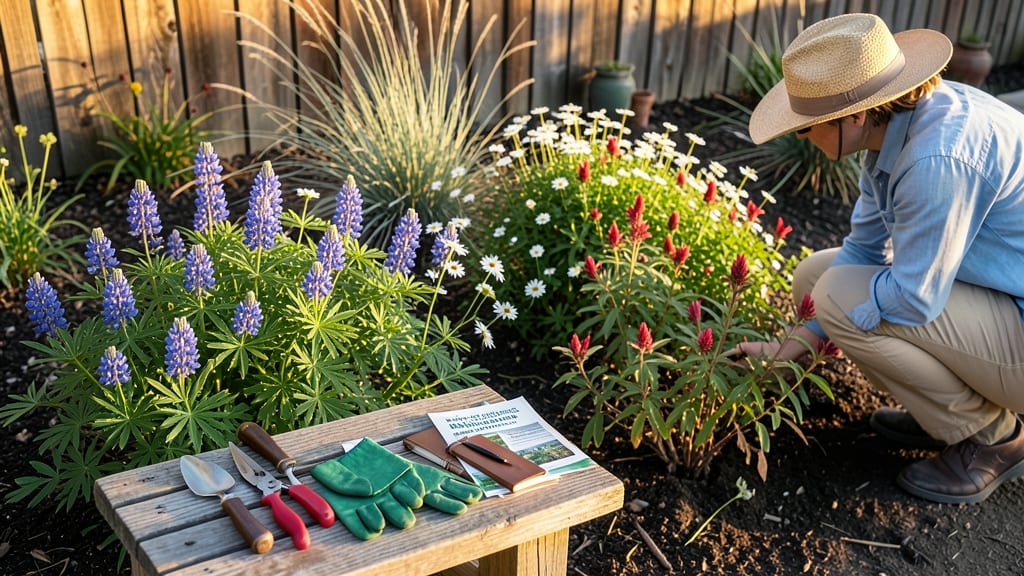
The Texas Master Gardener Program transforms passionate gardeners into certified horticulture experts through intensive training in plant science, sustainable practices, and community service—all delivered by Texas A&M AgriLife Extension.
The Texas Master Gardener Program isn't just about gardening—it's a science-backed certification that equips volunteers with real-world horticulture skills while addressing local environmental needs. 🌱 Through 50+ hours of classroom instruction and 50 hours of service, participants learn everything from soil health to pest management, all tailored to Texas' unique climate.
What sets this program apart is its direct connection to Texas A&M's research, ensuring volunteers apply the most current, evidence-based techniques to their community projects.
Whether you're looking to deepen your gardening knowledge or make a tangible impact through plant clinics, school gardens, or urban greening initiatives, this program provides both the technical foundation and the hands-on experience to succeed.
The best part? You'll be part of a statewide network of over 10,000 trained volunteers who share resources and collaborate on large-scale conservation projects.
💡 In This Article
- How the Texas Master Gardener Program Transforms Volunteers into Horticulture Experts
- Step-by-Step Guide to Applying for the Texas Master Gardener Program
How the Texas master gardener program transforms volunteers into horticulture experts
The Texas Master Gardener Program's curriculum is built on Texas A&M AgriLife Extension's research, delivering 50+ hours of classroom instruction covering core horticulture disciplines.
You'll dive deep into plant pathology—learning how fungal diseases like powdery mildew (caused by Erysiphe species) spread through airborne spores—and soil science, including Texas' unique caliche soil challenges. The program emphasizes evidence-based techniques, unlike general gardening courses that rely on anecdotal advice.
What makes this program distinctive is its hands-on approach to sustainable gardening. For example, you'll study integrated pest management (IPM) techniques that reduce chemical use by 70-90% compared to conventional methods.
The curriculum includes field labs where you analyze soil samples under microscopes to identify beneficial microbes and pests. 🌱 Texas' extreme climate—with 100°F+ summers and unpredictable rainfall—requires specialized knowledge, which the program teaches through case studies from real Texas gardens.
Participants gain certification through practical exams that test their ability to diagnose plant issues and recommend solutions. For instance, you might be shown a wilting tomato plant and asked to determine whether the problem stems from verticillium wilt, nutrient deficiency, or overwatering.
This rigorous training ensures volunteers can confidently lead plant clinics and provide accurate advice to the public.
The program's connection to Texas A&M's research means you'll learn about cutting-edge topics like climate-smart gardening and native plant restoration. For example, you'll study how Texas bluebonnets (Lupinus texensis) improve soil nitrogen levels while supporting pollinators—a technique increasingly adopted in urban landscapes.
This scientific foundation transforms volunteers from enthusiastic gardeners into community resources.
Beyond technical skills, the program fosters a network effect. You'll collaborate with county agents who provide ongoing support and access to Texas A&M's plant diagnostic lab. Many graduates become local experts, quoted in regional media or invited to speak at agricultural conferences.
The program's structure—combining classroom learning with 50 hours of supervised volunteer service—creates a feedback loop where real-world challenges inform future training.
What most people don't realize is how the program adapts its curriculum to regional needs. In East Texas, you might focus on humidity-resistant plants, while in West Texas, the emphasis shifts to drought-tolerant species.
This localized approach ensures your gardening expertise directly addresses the specific challenges of your community.
The transformation happens through this blend of science, hands-on practice, and community application. You'll leave the program not just with gardening knowledge, but with the confidence to solve real problems—whether it's reviving a dying oak tree or designing a school garden that thrives in Texas' challenging conditions. 💫