
Flowers
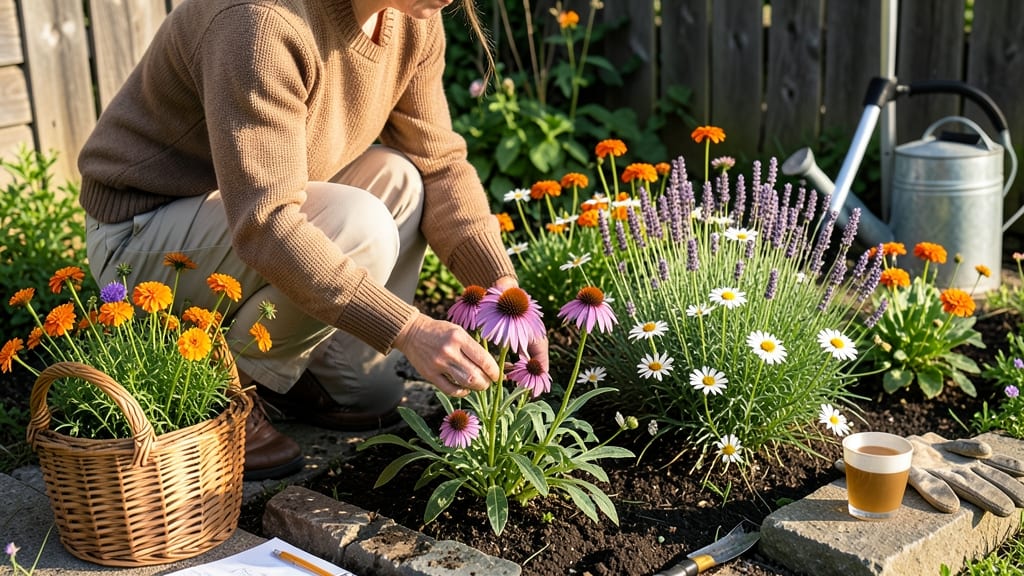
When people do flower gardening, they focus on preparing the soil, sowing seeds or transplanting young plants, trimming faded blooms, spreading mulch around plant bases, and maintaining regular watering schedules while keeping an eye out for pests. Their approach shifts with the seasons and local growing conditions.
What do people do while flower gardening? It's a year-round commitment to creating the perfect conditions for blooms. 🌸 The soil preparation phase often involves testing pH levels and amending with compost, while seed sowing requires precise timing based on frost dates.
Mulching isn't just decorative; it helps retain moisture and suppress weeds, which saves time during the busy growing season. What's interesting is how regional climates dictate when to prune or divide plants—some areas can extend their growing season by using row covers or cold frames.
Beyond the basics, many gardeners develop specialized routines like companion planting to deter pests naturally or creating "deadhead zones" to encourage continuous blooming. The key is balancing these tasks with your local ecosystem—what works in a humid climate might fail in a dry one.
I've found that keeping a simple garden journal helps track which methods work best for my specific conditions.
💡 In This Article
- Core Flower Gardening Activities by Season
- Essential Tools and Techniques for Flower Garden Maintenance
Core flower gardening activities by season
The spring season kicks off with soil preparation—a process that often involves tilling the earth to a depth of 6-12 inches to loosen compacted soil and incorporate 2-4 inches of compost.
This is when gardeners test soil pH using simple kits (ideal range for most flowers is 6.0-7.0) and amend with lime or sulfur as needed. The goal is to create a crumbly texture that holds moisture but drains well, preventing root rot while ensuring nutrients are accessible. 🌱
Summer transforms into a cycle of deadheading—removing spent blooms to redirect energy into new growth. For example, cutting back 1/3 of the plant's height on perennials like coneflowers stimulates bushier growth.
Watering shifts to deep, infrequent sessions (about 1-1.5 inches per week) rather than daily shallow watering, which encourages stronger root systems. Many gardeners also install drip irrigation systems to automate this process, saving 30-50% more water than hand-watering.
Fall becomes preparation time for bulbs and perennials. Gardeners plant spring-blooming bulbs like tulips and daffodils in October-November, when soil temperatures drop below 60°F. They also apply a 3-inch layer of mulch (straw or shredded leaves) to insulate roots from freezing temperatures while preventing soil erosion.
This is also when many gardeners divide overcrowded perennials, lifting entire plants and splitting them into smaller sections for replanting.
Winter care focuses on soil protection. Many gardeners spread cardboard or thick mulch over garden beds to block weeds and retain heat, while others use row covers to extend the growing season in colder climates.
This is also when gardeners plan next year's layout, sketching designs that maximize sun exposure and companion planting benefits—like pairing marigolds with tomatoes to deter pests naturally. The key is balancing these seasonal tasks with your local frost dates and microclimates.
What's fascinating is how regional adaptations transform these basics. In Zone 5 (where winters drop below -20°F), gardeners might use heated planters for early spring starts, while in Zone 9 (mild winters), they focus on shade cloth to protect plants from summer heat.
The same techniques applied differently based on climate—like mulching heavier in cold regions or using drip irrigation with shade in hot areas to prevent evaporation. 💫
For example, in arid climates, gardeners often incorporate hydrogel crystals into soil to hold up to 500 times their weight in water, reducing irrigation needs by 70%. Meanwhile, in humid regions, they prioritize fungus-resistant mulches like pine straw to prevent rot.
These adaptations show how flower gardening becomes a dynamic conversation between the gardener and their local environment.