
Advice
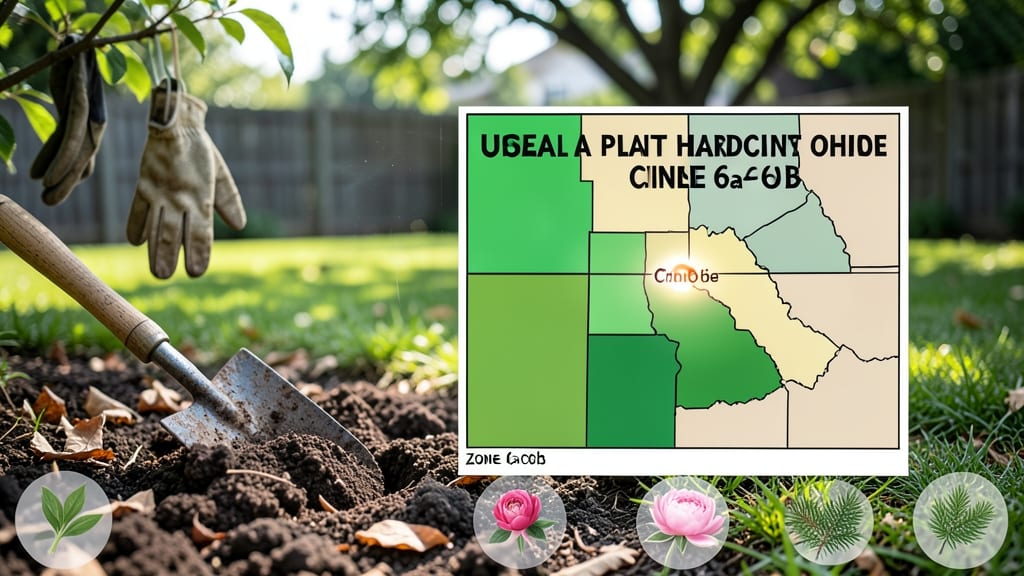
Cincinnati, Ohio falls in USDA Plant Hardiness Zones 6a and 6b, where frost dates and seasonal shifts shape every gardening decision.
If you’re planning a garden in Cincinnati, knowing your USDA planting zone is the first step to choosing the right plants—and avoiding costly mistakes. With Cincinnati’s unique climate, understanding zones 6a and 6b can mean the difference between a thriving garden and a disappointing one.
These zones—6a (-10°F to -5°F)—dictate when to plant, which varieties thrive, and how to protect tender crops from late frosts (usually around April 15). Whether you’re sowing tomatoes in May or overwintering garlic, the right timing keeps your 🌱 garden productive all season.
Below, I’ll break down how to use this zone info for smarter planting, from frost dates to the best cold-hardy plants for your Cincinnati yard.
Cincinnati’s USDA planting zones 6a and 6b: what it means for your garden
If you're planning a garden in Cincinnati, knowing your USDA planting zone is essential for selecting the right plants. Cincinnati falls primarily in zones 6a and 6b, with average minimum temperatures of -10°F to -5°F in winter.
This distinction matters because it determines which plants can survive your local climate.
Understanding these zones helps you time plantings correctly, avoid frost damage, and choose plants that thrive in Cincinnati's humid subtropical climate. The difference between 6a and 6b may seem small, but it affects which varieties will survive your coldest winters and when you can safely plant in spring.
Cincinnati's last average frost date is typically between April 15 and May 1, while the first frost arrives around October 15. This 165-day growing season gives you plenty of time for warm-season crops but requires careful planning for cold-sensitive plants.
Here's what you need to know about Cincinnati's zones and how they impact your garden:
| Zone Details | Key Characteristics | Garden Implications |
|---|---|---|
| Zone 6a | Average min temp: -10°F | More vulnerable to winter dieback; choose hardier varieties of perennials |
| Zone 6b | Average min temp: -5°F | Slightly longer growing season; can accommodate tender perennials |
| Last Frost | April 15-May 1 | Wait until soil warms (60°F+) before planting warm-season crops |
| First Frost | October 15 | Use row covers to extend fall harvests |
| Growing Season | 165 days | Ideal for fast-maturing varieties like bush beans and zucchini |
The 5°F difference between zones 6a and 6b might seem minor, but it affects which perennials will survive winter and which annuals you can grow. For example, peony plants (zone 3-8) thrive in both, while roses (zone 4-9) may need winter protection in zone 6a.
For vegetable gardening, this means you can grow cool-season crops like kale and spinach early in spring and late into fall, while warm-season crops like tomatoes and peppers need to be started indoors 6-8 weeks before your last frost date.
Cincinnati's humidity and occasional late frosts make it particularly important to choose disease-resistant varieties and monitor weather forecasts. The Ohio State University Extension recommends using microclimate strategies like south-facing walls or raised beds to create warmer pockets in your garden.
When selecting trees and shrubs, opt for native species like serviceberry (zone 4-8) or hydrangeas (zone 3-9) that naturally thrive in Cincinnati's climate. These plants are already adapted to your temperature fluctuations and soil conditions.
Remember that microclimates can create variations within your garden. A south-facing slope might be zone 7, while a low-lying area could experience zone 5 conditions. Always consider these local variations when planning your landscape.
For accurate zone verification, use the USDA Plant Hardiness Zone Map and consider local weather patterns. With this knowledge, you'll be able to create a flourishing Cincinnati garden that makes the most of your unique climate conditions. 🌱
Best plants for Cincinnati’s zone 6a-6b: a seasonal planting guide
Cincinnati’s USDA zones 6a and 6b offer a perfect balance for gardeners—long growing seasons with reliable winters that protect many perennials. Knowing which plants thrive in these zones helps you maximize your garden’s potential.
I’ve curated a seasonal guide to help you plan for spring blooms, summer bounty, fall harvests, and even winter interest.
With an average last frost date of April 15 and first frost around October 15, Cincinnati’s climate supports a wide variety of plants. The key is choosing varieties that match your zone’s cold tolerance and heat resilience.
Whether you’re growing vegetables for the table or flowers for pollinators, this guide ensures your garden thrives year-round.
🌱 Top Plants for Cincinnati’s Zone 6a-6b
- 🌿 Spring: Kale, Peas, Pansies, Daffodils (cold-hardy and early bloomers)
- ☀️ Summer: Tomatoes (e.g., 'Better Boy'), Peppers, Zinnias, Black-Eyed Susans (drought-tolerant)
- 🍂 Fall: Squash, Carrots, Chrysanthemums, Asters (late-season blooms)
- ❄️ Winter: Winter Jasmine, Hellebores, Evergreen Shrubs (e.g., Boxwood, Holly)
💡 Pro Tip: Use row covers to extend planting windows by 2-4 weeks in spring/fall.
For spring planting, focus on cool-season crops like kale and peas. These thrive in Cincinnati’s 50-60°F soil and can handle light frosts. Pair them with early-blooming flowers like pansies and daffodils to attract pollinators from the start.
My favorite cold-hardy tomato variety, 'Stupice,' even tolerates brief chills, giving you an early harvest.
Summer is all about heat-loving plants. Tomatoes, peppers, and zinnias flourish in Cincinnati’s 80-90°F heat, but they need consistent moisture and mulch to retain soil moisture. I’ve found that drought-tolerant perennials like coneflowers and black-eyed Susans require minimal water once established, making them low-maintenance stars.
Fall brings a second planting window for cool-season vegetables. Squash, carrots, and kale planted in late August often mature before the first frost. Don’t overlook late-blooming flowers like asters and chrysanthemums—they add color and support pollinators as summer winds down.
My fall garden tip: Use row covers to protect tender crops like lettuce from unexpected cold snaps.
Even in Zone 6a-6b’s winters, your garden can stay vibrant. Winter jasmine and hellebores bloom in 30-40°F temperatures, while evergreen shrubs like boxwood and holly provide year-round structure. For a pop of color, try winter pansies—they survive light frosts and brighten up gray days.
To make the most of your Cincinnati garden, plan for succession planting. Replace early spring crops with summer varieties and follow up with fall harvests. With the right mix of cold-hardy and heat-loving plants, your garden will stay productive—and beautiful—throughout the year. 🌿