Planting
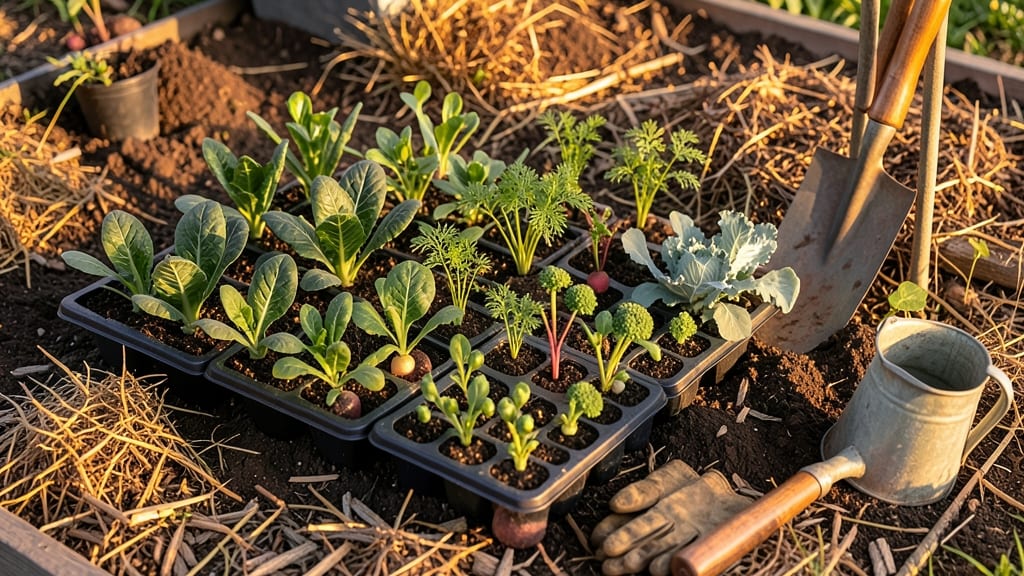
Planting a fall garden in Louisiana means timing your crops perfectly to beat the heat and avoid early frosts—mid-August to mid-September is your sweet spot for heat-tolerant vegetables like okra and sweet potatoes 🥬.
Louisiana’s long, hot summers can make gardening a challenge—but fall brings cooler temps and a second chance to grow thriving vegetables. If you’ve ever watched your summer crops wilt under lingering heat or bolt before frost, you know how critical the right planting window is.
This guide breaks down the ideal planting dates for Louisiana’s unique climate, including regional frost variations and soil prep tips to maximize your harvest from October through December.
You’ll learn which crops thrive in residual summer heat, how to adjust for urban vs. rural growing conditions, and the 3 key mistakes that ruin fall gardens—so you can enjoy a bountiful harvest instead of empty rows.
Louisiana’s fall planting timeline: exact dates for heat-tolerant crops
Timing your fall garden in Louisiana is all about beating the first frost while working with residual summer heat.
The state’s USDA Zones 8a-9b give gardeners a 3-4 month window (August–November) to plant heat-tolerant crops that thrive after the summer solstice. Northern parishes like Caddo and Bossier face earlier frosts (November 15), while Southern parishes like St. Bernard and Jefferson enjoy later first frosts (December 1).
For maximum yield, aim to plant 6-8 weeks before your area’s first frost date.
This means starting seeds indoors in early August for cool-season crops like broccoli or direct-sowing heat lovers like okra in mid-to-late August. Succession planting every 2 weeks extends your harvest until December, when most crops bolt or freeze.
Here’s your parish-by-parish breakdown of critical dates, including when to start seeds indoors vs. direct-sowing outdoors for heat-tolerant crops that handle Louisiana’s humidity and residual summer heat:
| Region | First Frost Date | Indoor Seed Start | Direct Sow Outdoors | Heat-Tolerant Crops |
|---|---|---|---|---|
| North LA (Zones 8a) | November 15 | Early August | Mid-August to early September | Okra, Sweet Potatoes, Collards, Kale, Turnips |
| Central LA (Zones 8a-8b) | November 22 | Late July to early August | Late August to mid-September | Broccoli, Cauliflower, Brussels Sprouts, Carrots, Beets |
| South LA (Zones 9a-9b) | December 1 | Mid-August | Late August to late September | Sweet Potatoes, Okra, Southern Peas, Mustard Greens, Spinach |
| Urban Gardens (All Zones) | Varies (use row covers) | Early August | Late August to early October | Lettuce, Swiss Chard, Radishes, Green Onions, Herbs |
For heat-tolerant crops like okra and sweet potatoes, direct-sow after August 15 to avoid transplant shock. These plants thrive in 80–90°F soil temps and can handle Louisiana’s humidity better than cooler-season crops. Succession plant every 2 weeks for a continuous harvest until the first frost.
If you’re growing cool-season crops like broccoli or cabbage, start seeds indoors 6-8 weeks before your first frost date. Harden off seedlings for 7-10 days before transplanting outdoors in September. Use row covers to extend the season by 2-3 weeks in northern parishes.
Soil prep is critical in Louisiana’s clay-heavy soil. Amend beds with 2-3 inches of compost and 1 inch of mulch to retain moisture and regulate soil temperature. Test soil pH (aim for 6.0–7.0) and adjust with lime or sulfur before planting.
Water deeply 2-3 times per week in August, then reduce to 1-2 times per week as temps drop in September. Morning watering prevents fungal diseases like powdery mildew, which thrives in Louisiana’s humid fall air. Use drip irrigation to keep foliage dry.
Monitor weather forecasts for unexpected cold snaps, especially in Zone 8a. If frost is forecasted, cover tender crops with frost blankets or move potted plants to a sheltered location. Harvest leafy greens before frost hits—they’ll still be edible after a light freeze!
Pro tip: Plant fast-maturing crops like radishes (25 days) and bush beans (50 days) in late September for a quick harvest before winter sets in. These crops tolerate cooler temps and give you a last-minute harvest before the ground freezes.
Top 7 heat-tolerant fall crops for Louisiana gardens (and how to grow them)
Louisiana’s fall garden thrives when you choose crops that handle residual summer heat while preparing for cooler weather. The key is selecting heat-tolerant varieties that mature quickly before the first frost—typically around November 15 in northern Louisiana or December 1 in southern zones.
These crops not only survive but thrive in Louisiana’s clay-heavy soil and high humidity, making them perfect for your fall harvest.
For best results, focus on crops that can handle 80-90°F temperatures and still produce well into October. Many of these plants also improve soil health for winter, adding organic matter as they decompose.
Below, I’ve curated the top 7 heat-tolerant fall crops that perform exceptionally well in Louisiana gardens, along with planting depth, spacing, and soil prep tips tailored to our unique climate.
🌱 Critical Fall Planting Tips for Louisiana
- 📅 Plant between August 15–September 15 for a harvest before frost. Southern Louisiana can extend this window until October 1.
- 🌡️ Aim for soil temps between 60–85°F—use a soil thermometer to avoid planting too early when heat lingers.
- 💧 Water deeply 2–3 times per week to encourage strong root growth, especially in clay-heavy soil.
- 🌿 Mulch with straw or pine needles to retain moisture and suppress weeds in humid conditions.
- ✂️ Thin seedlings properly—overcrowding leads to disease in Louisiana’s damp fall air.
Let’s start with okra, a Louisiana staple that loves heat and humidity. Plant okra seeds 1 inch deep and space them 12–18 inches apart in rows 2–3 feet apart.
Okra thrives in full sun (6+ hours daily) and well-draining soil, so amend your clay soil with compost or aged manure before planting. Harvest pods when they’re 3–4 inches long for the best texture.
Next, sweet potatoes are a fantastic choice for Louisiana’s fall garden. Start slips (young plants) 6–8 weeks before your first frost, planting them 4–6 inches deep and spacing them 12–18 inches apart.
Sweet potatoes need warm soil (70°F+), so wait until late August to early September in most of Louisiana. They also benefit from mounding soil around the vines to encourage tuber formation.
Collard greens are another heat-tolerant powerhouse that improves with cooler fall nights. Sow seeds ¼ inch deep and space them 12–18 inches apart in rows 2 feet apart. Collards prefer partial shade in hot afternoons but still need 5–6 hours of sunlight daily. They’re drought-tolerant once established, making them ideal for Louisiana’s occasional dry spells in early fall.
For a nutrient-packed green, try kale, which handles heat better than most greens. Plant seeds ½ inch deep and space them 12–18 inches apart. Kale grows best in cool fall weather but can tolerate 85°F temps if given afternoon shade.
Harvest outer leaves to encourage continuous growth—this method works well until frost.
Don’t overlook turnips, which mature quickly and thrive in Louisiana’s fall conditions. Sow seeds ½ inch deep and space them 2–3 inches apart in rows 12–18 inches apart. Turnips prefer fertile, well-draining soil, so mix in compost before planting.
Harvest roots when they’re 1–2 inches in diameter for the best flavor, or let greens grow for baby greens.
Finally, green beans (bush or pole varieties) are a great addition to your fall garden. Plant seeds 1 inch deep and space them 4–6 inches apart in rows 18–24 inches apart.
Green beans need full sun and consistent moisture, so mulch well to retain water. Harvest pods when they’re 4–6 inches long to encourage more production.
With these heat-tolerant fall crops, you’ll enjoy a bountiful harvest well into Louisiana’s cooler months. Remember to monitor soil moisture, thin seedlings properly, and protect young plants from pests like squash bugs or aphids—common in our humid climate. Happy gardening! 🌿