Fertilization
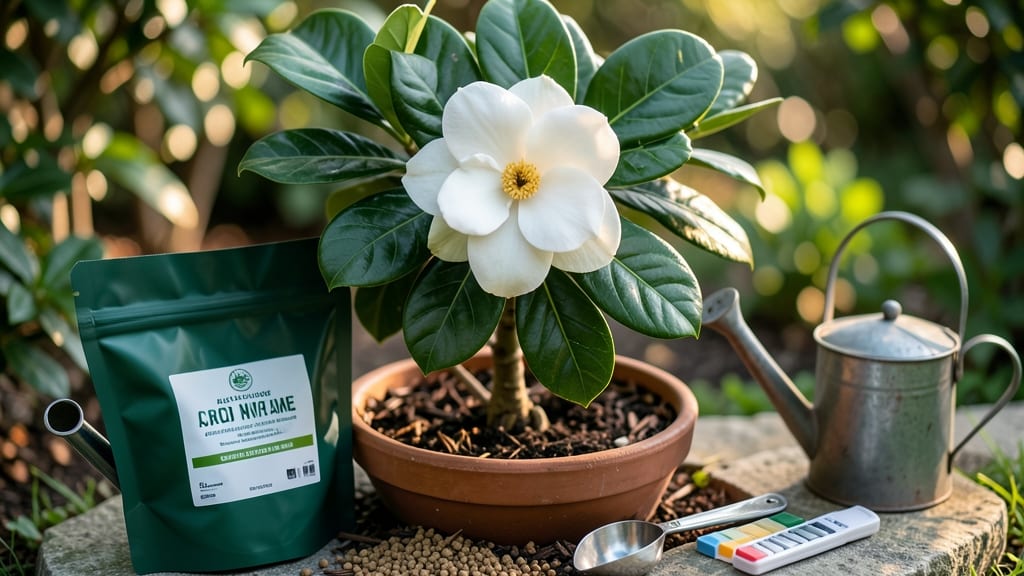
Fertilizing gardenias at the right time—like in early spring and late summer—is the key to those fragrant 🌸 blooms you love, not just any time of year.
Struggling to keep your gardenias blooming as beautifully as they should? The secret often lies in timing—fertilizing at the wrong time can stunt growth or even kill your plant, while the right schedule unlocks vibrant flowers and lush foliage year after year.
Most gardeners make the mistake of feeding their plants too late in the season, when they should be winding down for winter.
But with the right approach—like feeding in spring when new growth starts and again in late summer to prep for blooms—you’ll see a noticeable difference in just a few months.
Below, I’ll walk you through the exact spring and fall schedule that works for USDA Zone 6a, how to adjust for your climate, and the best fertilizers to use so you never overdo it again.
Best times to fertilize gardenias for maximum blooms: spring & fall schedule
If your gardenias are struggling to produce those fragrant, creamy-white blooms you adore, the issue might be fertilization timing. Gardenias thrive on a precise feeding schedule—too early or too late, and you risk burning roots or stunting growth.
The key is feeding during their active growth phases while avoiding their dormant periods.
Most gardeners make the mistake of fertilizing in summer heat, which stresses plants and leads to leaf scorch. Instead, focus on early spring and late fall for the best results.
This schedule aligns with your gardenia’s natural cycle, encouraging root development in spring and preparing for winter dormancy in fall.
🌸 Pro Tip: Always fertilize in the morning when temperatures are cooler. This reduces burn risk and allows roots to absorb nutrients efficiently before the heat of the day.
| Season | Best Time to Fertilize | Purpose | Climate Adjustments |
|---|---|---|---|
| Early Spring | March-April (after last frost) | Stimulate new growth | Warm climates: Start by February |
| Late Spring | May-June (every 4-6 weeks) | Encourage blooming | Cool climates: Wait until May |
| Summer | Avoid fertilizing | Prevent stress from heat | Exception: Light feed in June for late bloomers |
| Late Fall | September-October (6-8 weeks before frost) | Strengthen roots for winter | Warm zones: Skip fall feeding |
| Winter | No fertilization | Dormant period | All climates: Resume in spring |
In warm climates (Zones 8-10), gardenias grow year-round, so you can fertilize lightly in February and continue monthly until August. However, avoid heavy feeding during peak summer months (July-August) when heat stress is highest.
For cooler climates (Zones 6-7), wait until after the last frost (typically mid-April) to start fertilizing.
Before applying fertilizer, test your soil pH—gardenias prefer acidic soil (5.0-6.0). If your soil is too alkaline, amend it with sulfur or peat moss before fertilizing. This ensures your plant can absorb nutrients efficiently and avoids fertilizer burn from improper pH levels.
Use a balanced, acid-loving fertilizer with an NPK ratio of 6-6-6 or 8-3-9. The high phosphorus content promotes blooming, while the moderate nitrogen supports foliage growth. Apply fertilizer 1 inch away from the plant base and water deeply afterward to help nutrients penetrate the soil.
Watch for signs of over-fertilization, like yellowing leaves or leaf drop. If this happens, flush the soil with water to remove excess salts. On the flip side, under-fertilization leads to small blooms or no flowers at all.
Adjust your schedule based on your plant’s response—if blooms are sparse, consider adding a phosphorus boost in late spring.
For container-grown gardenias, fertilize every 3-4 weeks during the growing season since potted soil depletes nutrients faster. Use a water-soluble fertilizer for easier absorption, and rinse the pot occasionally to prevent salt buildup in the soil.
Remember, the goal is to mimic natural growth cycles. By feeding in early spring and late fall, you’ll encourage strong roots, vibrant blooms, and a healthier plant overall.
With this schedule, your gardenias will reward you with abundant fragrance and show-stopping flowers for years to come. 🌿
How to choose the right fertilizer for gardenias: acid-loving plant guide
Gardenias thrive on the right balance of nutrients, but choosing the wrong fertilizer can lead to yellow leaves, stunted growth, or even poor blooming. As an acid-loving plant, gardenias need a fertilizer that mimics their natural soil conditions—typically low pH and rich in phosphorus for vibrant flowers.
Organic and synthetic options both work, but each has unique benefits and drawbacks.
First, let’s address the NPK ratio, which stands for nitrogen (N), phosphorus (P), and potassium (K). Gardenias prefer a balanced ratio like 6-6-6 or 8-3-9, with a focus on phosphorus to promote blooming.
Too much nitrogen can lead to lush foliage but fewer flowers, while too little phosphorus results in weak stems and sparse blooms.
Now, let’s weigh your options with this quick comparison to help you decide between organic and synthetic fertilizers for your gardenias.
Organic vs. Synthetic Fertilizers for Gardenias
Organic Fertilizers
- Pros: Improves soil health, slow-release nutrients, eco-friendly
- Cons: Slower results, may require more frequent applications
Best for: Long-term soil enrichment, sustainable gardening
Synthetic Fertilizers
- Pros: Fast-acting, precise nutrient control, easy to measure
- Cons: Can burn roots if overused, no soil benefits
Best for: Quick blooms, controlled nutrient delivery
Tip: Mix organic (like peat moss or compost) with synthetic fertilizers for balanced results.
Recognizing signs of nutrient deficiencies or excess is key. Yellow leaves often signal over-fertilization, while brown leaf tips can indicate underwatering after feeding. If your gardenias produce fewer blooms than usual, they may need more phosphorus.
To fix this, switch to a bloom-boosting fertilizer with a higher middle number (e.g., 10-20-10), but only during the spring and summer growing seasons.
For organic options, consider fish emulsion or cottonseed meal, both of which provide phosphorus while gently acidifying the soil. Synthetic fertilizers like Miracle-Gro Shake 'n Feed or Jobe's Acid-Loving Plants are also excellent choices, but always follow the label instructions to avoid root burn.
Apply fertilizer in the early morning when the soil is moist, and water thoroughly afterward to help nutrients absorb.
Lastly, always monitor your gardenias’ response to fertilization. If you notice leaf drop or wilting, flush the soil with water to remove excess salts. With the right fertilizer and timing, your gardenias will reward you with fragrant, abundant blooms all season long. 🌸