Picking
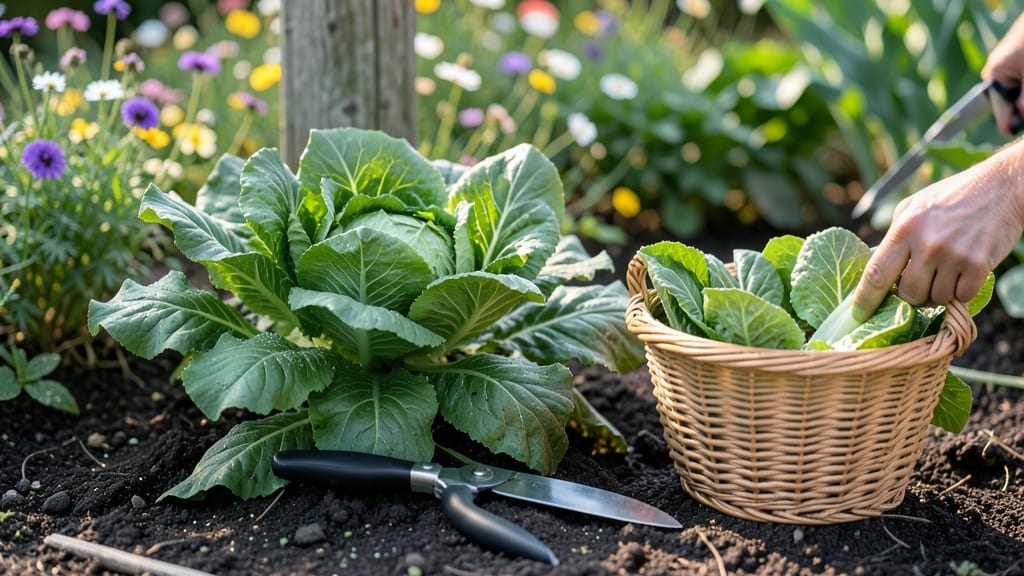
Garden lettuce is ready to pick when leaves reach 4-6 inches and feel crisp to the touch 🥬 — timing this right means the difference between a salad that snaps and one that flops.
You’ve probably stared at your lettuce patch wondering, Is it ready yet? The truth is, most gardeners either pull it too early (bitter, tough leaves) or too late (bolting or wilted).
I’ll show you how to spot the exact moment your lettuce is at its peak—plus the best time of day to harvest for maximum crispness.
Different varieties have their own cues: romaine needs tight, elongated heads, while butterhead should form a compact, rounded shape. I’ll break down what to look for in each type, so you never guess again whether your lettuce is harvest-ready or still growing.
Ready to go from unsure to confident? You’ll also learn how to encourage regrowth for a second harvest—because why stop at one when you can have more?
The leaf-by-leaf test: how to check lettuce ripeness before harvesting
Knowing when to harvest lettuce can transform your garden bounty from sad, limp leaves to crisp, flavorful greens. The key lies in a simple leaf-by-leaf assessment—examining size, texture, and color to catch lettuce at peak ripeness.
Unlike many vegetables, lettuce doesn't ripen after picking, so timing is everything. I’ve learned that harvesting too early means small, underdeveloped leaves, while waiting too long leads to bitter, tough textures and bolted stems.
For the best results, I always check my lettuce in the early morning when leaves are cool and hydrated. This is when their natural sweetness and crispness peak.
If you’ve been growing lettuce for a while, you’ll notice that different varieties like romaine, butterhead, and loose-leaf types have unique maturity cues. For example, romaine lettuce forms a tight head, while loose-leaf varieties can be harvested leaf by leaf.
Understanding these differences is the first step to a perfect harvest.
Here’s what to look for: Leaves should be 4-6 inches long, deep in color, and free of yellowing or browning. The texture should be firm but tender, not rubbery or brittle. When you gently squeeze a leaf, it should spring back slightly—this is your sign of optimal crispness. If the center leaves are still small and the outer leaves are yellowing, your lettuce needs more time in the ground.
| Sign | Ready Lettuce | Not Ready Lettuce |
|---|---|---|
| Leaf Size | 4-6 inches long | Smaller than 3 inches |
| Texture | Crisp and tender | Tough or rubbery |
| Color | Deep, vibrant hue | Pale or yellowing |
| Head Formation | Firm and compact | Loose or spreading |
| Growth Stage | 30-45 days after sowing | Less than 30 days |
One of the most common mistakes I see is overlooking the variety’s growth habit. For instance, butterhead lettuce forms a loose, delicate head that’s ready when the leaves are fully unfurled and the center is just starting to swell.
On the other hand, iceberg lettuce should have a tight, crisp head with no signs of bolting—a flower stalk shooting up from the center. If you notice the center leaves starting to yellow or the plant sending up a tall stalk, it’s already past its prime and will taste bitter.
For cut-and-come-again varieties, like loose-leaf lettuce, you can start harvesting outer leaves first once they reach about 3-4 inches. This method encourages the plant to keep producing new growth from the center.
I’ve found that harvesting this way can extend my lettuce harvest by several weeks, especially in cooler climates. Just be sure to leave the inner leaves intact to keep the plant growing.
Another pro tip I swear by is harvesting in the morning. Lettuce is most crisp and hydrated after a cool night, which means it’ll hold up better in your fridge and taste fresher in your salads.
If you’re harvesting in the heat of the day, the leaves can wilt quickly, making them less appealing. Always use a sharp knife or clean scissors to avoid damaging the plant, and never pull leaves—this can uproot the entire plant and end your harvest.
If you’re growing head lettuce varieties, like romaine or iceberg, wait until the entire head is fully formed and firm to the touch. Gently squeeze the head—if it feels solid and dense, it’s ready.
If the head is still loose or the leaves are small, give it a few more days. For loose-leaf varieties, you can harvest continuously as the leaves grow, but aim to pick them before they start to bolt or develop tough stems.
Finally, pay attention to the weather and season. Lettuce grows best in cool temperatures between 45°F and 75°F. If your area is experiencing a heatwave, your lettuce may bolt prematurely, sending up flower stalks and becoming bitter.
In this case, harvest what you can and consider planting a shade cloth to protect your remaining lettuce. With these cues in mind, you’ll never again wonder when is garden lettuce ready to pick—you’ll know exactly when to harvest for the best flavor and texture.
Remember, the leaf-by-leaf test is your best friend when it comes to lettuce. Take a few minutes each morning to inspect your plants, and you’ll enjoy a steady supply of fresh, crisp lettuce all season long. Happy harvesting! 🥬
Common mistakes that ruin lettuce harvest timing (and how to avoid them)
Even experienced gardeners can miss the subtle cues that signal when garden lettuce is ready to pick. The most common mistake? Harvesting too late or too early based on visual guesswork rather than physical indicators.
Lettuce that's overmature becomes bitter and tough, while underripe leaves lack flavor and texture. I've learned the hard way that timing is everything—especially when heat waves or drought stress can accelerate maturity.
Another frequent error is ignoring variety-specific readiness. Butterhead lettuce, for example, needs 45-50 days to reach peak crispness, while romaine matures faster at 30-40 days.
Mixing up these timelines leads to disappointment. Even the time of day you harvest matters—morning harvests yield the crispiest leaves because evening heat can cause wilting.
⚠️ callout-warning
- 🌡️ Heat Stress: Lettuce bolted from hotter-than-75°F temps? It's already past its prime.
- 📏 Size Deception: 6-inch leaves aren't always ready—check tightness, not just length.
- 💧 Water Woes: Floppy leaves from inconsistent watering = overripe lettuce.
Pro Tip: Harvest in cool mornings (6-8 AM) for peak crispness and flavor.
I once waited too long to harvest my romaine lettuce because I assumed bigger leaves meant better quality. By the time I noticed the yellowing tips and bitter taste, the entire head was ruined.
The key is to check leaf firmness—ready lettuce should feel crisp but not brittle. A simple squeeze test works: gently press a leaf between your fingers. If it springs back, it's perfect. If it stays crushed, it's overdue.
Environmental factors often sneak up on gardeners. Uneven sunlight can cause one side of your lettuce to mature faster than the other, leading to patchy readiness. I solved this by rotating my containers every 3 days to ensure even exposure.
Similarly, soil temperature plays a role—lettuce grows slower in cold soil (below 50°F) and bolts faster in hot soil (above 80°F). Using black plastic mulch in summer can help regulate temperature and delay bolting.
Don't fall for the myth that you must harvest the entire plant at once. For loose-leaf varieties, you can pick outer leaves as they reach 4-6 inches, allowing the center to keep growing.
This cut-and-come-again method extends your harvest by 3-4 weeks. I've found that harvesting every 2-3 days keeps my lettuce producing for months. Just avoid cutting into the inner rosette, or you'll stunt regrowth.
Finally, watch for pest pressure like aphids or slugs, which can accelerate maturity by stressing the plant. I lost an entire batch of butterhead lettuce to slugs last summer—they didn't just eat the leaves; they triggered premature bolting.
Use row covers or diatomaceous earth to protect your crop, and always inspect the undersides of leaves for early signs of damage. When in doubt, harvest a test leaf—if it's tender and sweet, the rest is ready too.