Planting
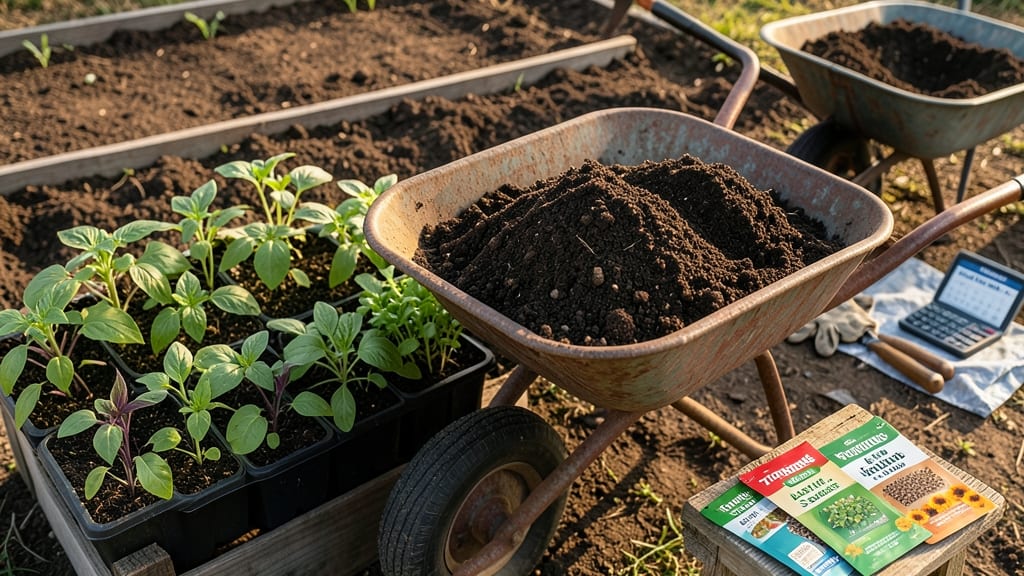
The best time to plant a garden in Michigan is after your last frost date—typically between April 15 and May 31 for most zones, with a fall window from August 1 to September 15 for cold-hardy crops.
Michigan’s unpredictable spring weather can turn gardening dreams into guesswork—unless you know the exact planting deadlines for your zone to maximize yields and avoid frost damage.
Cool-season crops like spinach and peas thrive when planted as early as March in southern Michigan, but warm-season favorites such as tomatoes and peppers need to wait until soil temperatures hit 50°F—usually late May. A 10-day rule helps time transplants safely after your last frost.
In this guide, I’ll break down zone-specific deadlines, microclimate adjustments, and the 5 biggest mistakes Michigan gardeners make when planting too soon—so you can avoid them and grow a bountiful harvest.
Michigan planting zones & deadlines: when to start seeds vs. transplants
Michigan spans USDA Hardiness Zones 4-6, where last frost dates can vary by 2-3 weeks between the northern UP and southern Lower Peninsula. Knowing your zone and using a 10-day rule for transplanting helps you avoid frost damage while maximizing your garden's potential.
For example, zone 4 gardeners in the UP have only 120 frost-free days, while zone 6 gardeners near Detroit enjoy 160+ days.
Cool-season crops like spinach and peas thrive when planted 4-6 weeks before your last frost date, while warm-season favorites such as tomatoes and peppers need soil temperatures above 55°F and should wait until 2 weeks after frost.
My rule of thumb? Start seeds indoors 6-8 weeks before transplanting to give them a head start against Michigan’s unpredictable weather.
⚠️ PRO TIP: Use a soil thermometer to confirm warmth before planting warm-season crops—cold soil can stunt growth even if air temperatures seem right. For example, tomatoes need soil at 60°F+ for optimal germination.
| Zone | Last Frost Date | Cool-Season Planting Window | Warm-Season Planting Window | 10-Day Rule for Transplants |
|---|---|---|---|---|
| 4 (UP) | May 10–15 | April 1–May 5 | May 25–June 5 | Wait until May 20+ |
| 5 (Northern LP) | May 1–5 | March 20–April 15 | May 15–25 | Wait until May 10+ |
| 6 (Southern LP) | April 15–20 | March 1–April 1 | May 1–15 | Wait until April 25+ |
Use row covers for 2-3 weeks after transplanting to extend the season in cooler zones.
For cool-season crops, I recommend starting spinach and peas indoors 4-6 weeks before your last frost date. In zone 6, that means mid-February, while zone 4 gardeners should wait until early April.
These crops tolerate light frosts, so don’t rush—planting too early can lead to bolting or poor yields.
Warm-season crops like tomatoes and peppers need more patience. I always start seeds indoors 8-10 weeks before transplanting—so in zone 4, that’s mid-March, and in zone 6, early February. Harden off seedlings for 7-10 days before transplanting after your last frost date to avoid shock.
Michigan’s 10-day rule is my secret weapon for safe transplanting. After your average last frost date, wait 10 days before planting warm-season crops. This buffer accounts for late frosts, like the May 2019 frost that hit zone 6 areas unexpectedly.
For example, if your last frost is April 15, don’t transplant tomatoes until May 5.
Don’t forget about fall planting! Many crops like kale and radishes thrive when sown 8-10 weeks before your first frost. In zone 4, that’s early August, while zone 6 gardeners can extend the season until mid-September. Use row covers to push harvests even later if needed.
If you’re unsure about your exact last frost date, check the Michigan State University Extension frost maps or use a frost calendar app. I also keep a garden journal to track my local frost dates—it’s saved me from multiple frost-damaged seedlings over the years!
For container gardening, follow the same rules but add 2-3 extra days to your transplanting timeline. Pots heat up faster and can be more vulnerable to temperature swings. Always use well-draining soil and larger containers (5+ gallons) for warm-season crops to prevent root stress.
Remember: Soil temperature matters more than air temperature. Use a soil thermometer to confirm 55°F+ for warm-season crops before planting. In cooler zones, black plastic mulch can warm soil by 5-10°F, giving your plants a head start.
How to adjust planting times for Michigan’s microclimates (urban vs. rural)
Michigan’s diverse landscapes create distinct microclimates that can shift planting windows by weeks or even months. Urban areas like Detroit experience heat islands that warm soil faster, while Traverse City’s lakeshore stays cooler longer.
Meanwhile, the Upper Peninsula’s shorter growing season demands early starts and protective strategies. These variations mean a one-size-fits-all approach won’t work—your location dictates everything from seed-starting dates to frost protection needs.
For example, Detroit gardeners can often plant warm-season crops like tomatoes 2 weeks earlier than rural areas due to urban heat retention. Meanwhile, zone 4 gardeners in the UP must use row covers or cold frames to extend their season.
The key is understanding your local soil temperature trends and adjusting planting dates accordingly. A simple soil thermometer ($10 at garden centers) becomes your best friend for timing critical decisions.
🌱 Comparison Table: Adjusting Planting Times by Michigan Microclimate
| Microclimate Type | Key Adjustments | Soil Temp Threshold | Frost Risk Window | Protective Strategy |
|---|---|---|---|---|
| Urban (Detroit) | Plant warm crops 2 weeks earlier; cool crops 1 week later | 55°F+ (soil warms faster) | May 1-15 (later than rural) | Reflective mulch for heat-sensitive plants |
| Lakeshore (Traverse City) | Delay planting by 10-14 days; extend fall season | 50°F+ (cooler lake influence) | May 15-30 (later than inland) | Floating row covers for early spring |
| Upper Peninsula (Zone 4) | Start seeds indoors 6-8 weeks early; use cold frames | 45°F+ (shorter warm-up period) | May 20-June 5 (latest in state) | Black plastic mulch + cloches |
If your spring arrives late—like those 2023 frost events that hit Detroit on May 10—have a backup plan. I always keep 6-packs of transplants on standby for my zone 5b garden in Ann Arbor.
For cool-season crops like kale or peas, late plantings in July can still produce fall harvests if you use shade cloth during heatwaves. The rule of thumb: Calculate your first frost date (typically October 15 in most of Michigan), then count backward based on your crop’s days to maturity.
For heat-loving plants like peppers and eggplants, urban gardeners should wait until soil reaches 70°F—a full 10°F warmer than the standard 60°F threshold. Test soil temperature at 4-inch depth in the morning for accuracy.
In rural areas, I’ve found that black plastic mulch can raise soil temps by 5-10°F within days, creating microclimates even within your own garden. This trick lets me plant tomatoes 10 days earlier in raised beds compared to open ground.
Don’t overlook late-spring frost pockets either. Even in zone 6, valleys and low-lying areas can experience frost through June. My Traverse City neighbors swear by smoke pots (filled with wood shavings) to create a protective cloud during radiation frosts.
For a $0 solution, string up old bedsheets between posts—this creates a 1-3°F temperature buffer overnight. These small adjustments can mean the difference between a bountiful harvest and frost-nipped failures.
Remember: Michigan’s microclimates aren’t just about location—they’re shaped by wind patterns, water bodies, and even building materials. A brick building absorbs heat differently than a wooden fence, creating hotter microclimates in its lee.
By observing your garden’s unique conditions for 3 years, you’ll develop an intuition for when to push planting dates or play it safe. Start keeping a gardening journal this year—note when you plant, when sprouts appear, and any unexpected frost events.
These records become your personal planting calendar over time.