
Planting
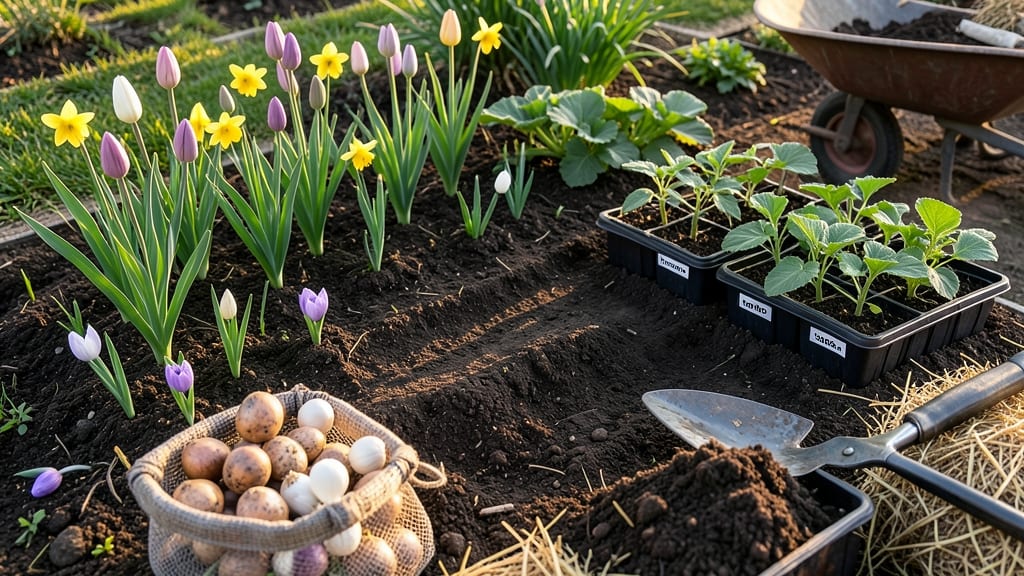
Planting a garden in Tennessee at the right time means the difference between a bountiful harvest and a sad pile of wilted seedlings 🌱 — and the best window is narrower than you think.
Tennessee’s mild winters and long growing seasons make it a gardener’s paradise—but timing your plantings wrong can mean wilted dreams instead of bountiful harvests. Avoid costly mistakes by mastering the frost-date formula for your specific Tennessee zone (7a or 7b).
Cool-season crops like lettuce and spinach thrive when planted 4-6 weeks before your last frost (typically mid-March to early April), while warm-season favorites like tomatoes and peppers need to wait until soil temperatures hit 60°F after the last frost.
Below, I break down the exact planting windows for your zone, crop-specific timing, and how to adjust for Tennessee’s unpredictable weather—so you can start strong and keep harvesting all season.
Tennessee frost dates by Zone 7a vs 7b: your planting timeline
Understanding your frost dates is the secret to unlocking Tennessee’s gardening potential. Whether you’re in Zone 7a (like Nashville) or Zone 7b (like Memphis), knowing when to plant can mean the difference between a thriving garden and a sad, frozen mess.
The key? A 14-21 day frost-free window for warm-season crops—your garden’s happy medium between too early and too late.
Tennessee’s last frost dates vary dramatically between zones. In Zone 7a, you’ll typically see your final frost around April 15, while Zone 7b often warms up by March 25. These dates aren’t just numbers—they’re your garden’s green light for planting heat-loving crops like tomatoes and peppers.
But timing isn’t just about the calendar; it’s about soil temperature too. Wait until the ground reaches 60°F before planting warm-season seeds.
Here’s where the magic happens: your first frost dates. Zone 7a usually sees frost creep in around October 15, while Zone 7b holds off until October 20.
This means you’ve got roughly 180-210 frost-free days to grow your garden—plenty of time for two full growing seasons if you plan right. The trick? Use this window wisely by planting cool-season crops in early spring and late summer, while saving warm-season plants for after your last frost.
🌱
| Metric | Zone 7a (Nashville, Chattanooga) | Zone 7b (Memphis, Jackson) |
|---|---|---|
| Average Last Frost Date | April 15 | March 25 |
| Average First Frost Date | October 15 | October 20 |
| Frost-Free Window (Days) | 180-190 | 190-210 |
| Ideal Planting Time for Warm-Season Crops | After April 20 | After March 30 |
| Cool-Season Planting Window | March 1 - April 15 | February 15 - March 20 |
| Soil Temp for Warm-Season Starts | 60°F+ | 60°F+ |
| Microclimate Tip | Use row covers for 2-3 weeks after last frost | Extend season with cold frames until April 1 |
Now, let’s talk about microclimates—your secret weapon for extending Tennessee’s growing season. Even within the same zone, your garden’s location can shift frost dates by 1-2 weeks. South-facing slopes warm up faster, while low-lying areas hold frost longer.
If you’re in Zone 7a, consider planting warm-season crops in a sunny, sheltered spot by April 20 to maximize your growing window. In Zone 7b, you might even squeeze in a second planting of tomatoes in early July for a late-summer harvest.
Don’t forget about succession planting—this is how Tennessee gardeners stretch their harvests. After your first frost in October, plant spinach, kale, or radishes in late summer for a fall/winter harvest.
These cold-hardy crops thrive when temperatures dip, giving you fresh greens even as other plants call it quits. Think of it as your garden’s insurance policy against seasonal shortages.
Pro tip: Use a soil thermometer to double-check planting times. Warm-season crops like peppers and cucumbers need soil temps above 60°F to germinate properly. If your ground is still chilly in April, start these plants indoors or use black plastic mulch to warm the soil faster.
It’s a small investment that pays off with bigger, healthier plants.
If you’re in Zone 7a, mark your calendar for April 15—this is your last frost deadline. After this date, you’ve got about 180 days of growing magic ahead. For Zone 7b gardeners, you’re even luckier with an extra 2-3 weeks of warm weather.
Use this time to plant fast-maturing crops like bush beans or zucchini, or go for long-season varieties like heirloom tomatoes if you’re patient.
Finally, embrace the 14-21 day rule for warm-season plants. After your last frost, wait 2 weeks before planting heat-lovers like okra or sweet potatoes. This buffer gives your soil time to warm up fully and reduces the risk of frost damage from late surprises.
It’s not just about the calendar—it’s about giving your plants the best possible start.
☀
Best crops to plant in Tennessee by month: Zone-specific guide
Tennessee’s 7a and 7b zones offer gardeners a 210-day growing season, but knowing exactly when to plant each crop maximizes your harvest. Cool-season crops like spinach and kale thrive in early spring and fall, while peppers and okra demand warm soil and air.
Let’s break down the best month-by-month planting schedule for your Tennessee garden.
For Zone 7a (cooler areas like Nashville and Knoxville), aim to plant cool-season crops 4-6 weeks before your last frost (typically March 15-April 1). In Zone 7b (warmer areas like Memphis and Chattanooga), you can start 2-3 weeks earlier (around February 28-March 15).
Warm-season crops should wait until soil temps reach 60°F, usually mid-April to early May.
Succession planting is key for continuous harvests. For example, sow lettuce every 2 weeks from March to August, or plant bush beans every 3 weeks from May to July. This ensures you’re never without fresh produce!
| Month | Cool-Season Crops | Warm-Season Crops | Flowers/Herbs | Succession Tip |
|---|---|---|---|---|
| February | Spinach, Kale, Peas, Lettuce | - (Start indoors) | Pansies, Snapdragons, Chives | Direct sow peas every 2 weeks |
| March | Broccoli, Cabbage, Radishes, Carrots | Tomatoes (indoors) | Calendula, Marigolds, Basil (indoors) | Sow lettuce every 3 weeks |
| April | Green Onions, Swiss Chard | Peppers, Eggplant, Okra, Cucumbers | Zinnias, Nasturtiums, Cilantro | Plant bush beans every 3 weeks |
| May | - (Too hot for cool crops) | Sweet Corn, Squash, Melons | Sunflowers, Rosemary, Thyme | Sow more cucumbers for late summer |
| July | Lettuce (shade-cloth) | Late Peppers, Okra, Southern Peas | Cosmos, Basil, Dill | Plant fall spinach in late July |
| August | Kale, Collards, Turnips | - (Focus on fall crops) | Asters, Chrysanthemums, Parsley | Direct sow radishes every 2 weeks |
Don’t overlook fall planting—it’s just as productive as spring! By late July to early August, plant cool-season crops like kale, collards, and broccoli for harvests in October and November.
These hardy greens often taste sweeter after a light frost, making them perfect for Tennessee’s crisp autumn air.
For herbs and flowers, many thrive in Tennessee’s climate year-round. Basil and cilantro love the heat of summer, while parsley and chives tolerate cooler temps. Plant marigolds and nasturtiums