
Tools
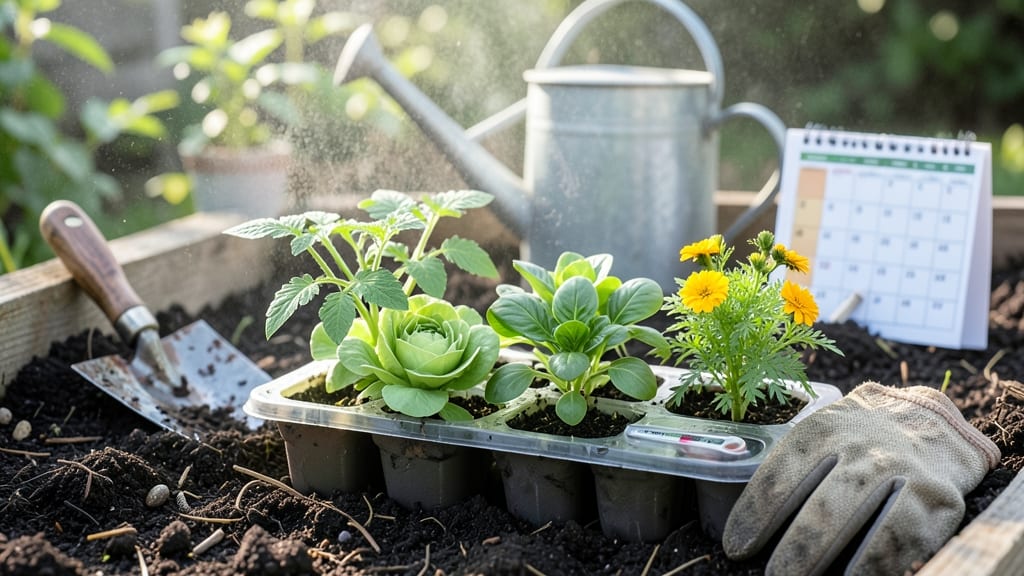
The best time to start a garden depends on your climate and plants: sow seeds when soil reaches 60°F (15°C) for most vegetables, or plant cold-hardy crops like spinach 4-6 weeks before last frost. Always check local frost dates and seed packet guidelines for precise timing.
The timing of your garden's start hinges on two key factors: soil warmth and plant hardiness. 🌱 Most vegetables need consistently warm soil—around 60°F (15°C)—to germinate properly, while cold-resistant crops like spinach can handle cooler temperatures and even tolerate light frosts.
I've found that using a soil thermometer or following your local USDA hardiness zone map makes all the difference in avoiding failed starts. For example, in Zone 5, early spring planting might mean waiting until late May, while Zone 8 gardeners can start as early as February for warm-season crops.
Don't forget that regional microclimates can shift these timelines by weeks. For instance, areas near large bodies of water often have later frost dates than inland locations just a few miles away. The secret to success?
Start with your last frost date as your anchor point, then work backward from there based on each plant's specific needs. This approach ensures you're not rushing seedlings or leaving your garden bed empty when conditions are perfect.
💡 In This Article
- Understanding Soil Temperature and Plant Hardiness Zones
- Seasonal Planting Calendar for Year-Round Garden Success
Understanding soil temperature and plant hardiness zones
Soil temperature acts like the body temperature of your garden—too cold and seeds won't germinate, too hot and they may rot before sprouting. Most vegetable seeds need soil to reach 60°F (15°C) to trigger germination, but some delicate varieties like tomatoes require even warmer conditions (70°F/21°C). The reason?
Enzymes in seeds become active only at specific temperature thresholds, which is why a soil thermometer becomes your best friend during spring planting. I've seen firsthand how seeds planted in 50°F (10°C) soil might sit dormant for weeks, while those in properly warmed soil sprout within 5-10 days. 🌱
Hardiness zones, developed by the USDA, group regions by average minimum winter temperatures to predict which plants will thrive. For example, Zone 5 (average lows of -20°F/-29°C) can grow cold-resistant kale year-round, while Zone 10 (average lows of 30°F/-1°C) supports tropical plants like okra.
But here's the catch: hardiness zones only tell part of the story. Your actual planting window depends on last frost dates, which can vary by 2-4 weeks even within the same zone due to elevation or local weather patterns.
Always cross-reference your zone with your county's frost date charts for precision.
The science behind this involves seed dormancy and enzymatic activity. When soil warms, it activates enzymes that break down seed coatings and stimulate root growth.
Cold-hardy crops like spinach or peas contain natural antifreeze proteins that protect their cells from ice crystal damage, allowing them to germinate even in 40°F (4°C) soil. Warm-season crops like peppers, however, produce ethylene gas when exposed to cold, which stunts their growth.
That's why extending the season with row covers or cold frames can make all the difference in marginal climates. 💛
Your local climate's frost-free period determines how many growing seasons you can fit into a year. In northern climates, this might mean one long season, while southern regions can grow cool-season crops in fall/winter and warm-season crops in spring/summer.
For instance, in Florida (Zone 8-10), you can plant tomatoes in February and August, while in Minnesota (Zone 3-5), you're limited to one 90-day window between last frost and first frost. This is why succession planting—staggering plantings every 2-3 weeks—becomes essential for continuous harvests.
Don't overlook how soil type affects temperature regulation. Sandy soils warm up faster in spring but also dry out quickly, while clay soils stay cooler longer but retain moisture. Amending your soil with compost not only improves fertility but also helps regulate temperature swings.
I recommend testing your soil's temperature at 4-inch depth (where most roots form) for the most accurate readings. This depth often stays 10-15°F cooler than surface temperatures, which is why surface thermometers can be misleading. ✨
Pro tip: Use a seed starting heat mat (set to 75-85°F/24-29°C) for indoor seedlings to speed up germination, especially for slow starters like parsley or carrots. For outdoor planting, wait until soil stays consistently warm for 5-7 days—this ensures roots establish before nighttime temperature drops.
The payoff? Healthier transplants and a garden that thrives from day one. 🌿