Tools
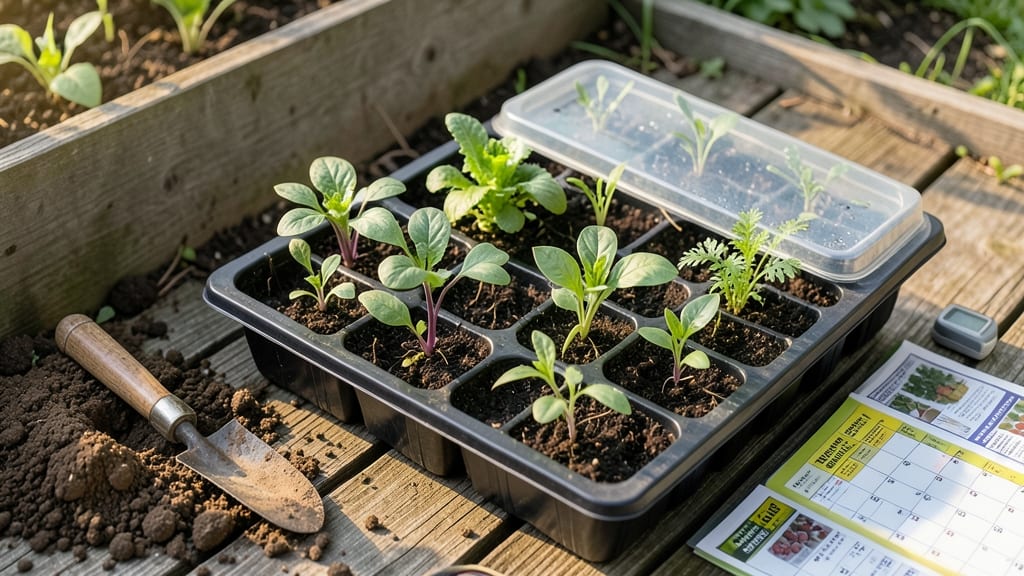
Starting a vegetable garden at the right time can mean the difference between a thriving harvest and wasted effort — and the best months depend on your climate zone more than you might think.
Timing your vegetable garden planting can mean the difference between a bountiful harvest and struggling seedlings—so knowing the perfect start time for your climate zone is non-negotiable.
In Zone 6a, where spring frosts linger until mid-April, cool-season crops like lettuce and peas can go in as early as March, while tomatoes and peppers need to wait until after the last frost.
Miss the window, and you’ll either lose tender seedlings or watch your summer crops wilt in the heat.
Below, I break down the exact months for your zone, how to adjust for early or late harvests, and the five critical signs you’ve planted too soon — or too late.
USDA planting zones: exact months to start vegetables for maximum yield
Timing your vegetable garden planting is everything—plant too early, and frost will kill tender seedlings; too late, and your heat-sensitive crops like basil or cucumbers will bolt before producing.
The USDA Plant Hardiness Zone Map provides the foundation, but exact monthly planting windows depend on your zone's average last-frost date and the maturity time of your chosen vegetables.
For example, in Zone 5 (average last frost: April 15), you’d start cool-season crops like broccoli indoors in March, while warm-season crops like tomatoes wait until May 1 after soil warms to 60°F.
In Zone 10 (no frost), you can plant year-round—but timing still matters to avoid summer heat stress.
Below is your zone-by-zone planting calendar, including fast-growing crops (like radishes or lettuce) that can handle cooler temps, versus slow-maturing varieties (like peppers or eggplants) that need a long, warm season. Use this as your garden’s roadmap to avoid common mistakes like overcrowding or nutrient depletion.
🌱
Notice how Zone 10 gardeners avoid planting warm-season crops in peak summer (June-August) to prevent heat stress? Instead, they focus on fall planting for a second harvest. Meanwhile, Zone 5 growers prioritize early spring starts for cool crops and use row covers to extend the season.
Pro tip: Fast-growing crops (like radishes or lettuce) can handle cooler temps, so they’re ideal for early spring or late summer
How to adjust planting times for early vs. late harvests by region
Adjusting your planting times can transform your harvest—whether you're chasing early spring greens or avoiding summer heat stress on heat-sensitive crops. The key lies in understanding your microclimate and crop-specific needs.
In colder regions, cool-season crops like spinach and peas thrive when planted early, while hot zones demand late-summer starts for tomatoes and peppers to avoid wilting.
For early harvests, focus on fast-maturing varieties and season extension tools like row covers. In my Zone 5 garden, I start lettuce and radishes indoors 6 weeks before the last frost, then transplant them outdoors as soon as the soil warms to 40°F.
This ensures a spring harvest before summer heat sets in.
- 1. Cool Climates: Plant cool-season crops (kale, carrots) 4-6 weeks before last frost for early harvests. Use cold frames to extend season by 2-3 weeks.
- 2. Hot Zones: Start heat-loving crops (okra, sweet potatoes) after Memorial Day to avoid bolting or blossom drop.
- 3. Succession Planting: Sow fast growers (bush beans, lettuce) every 2 weeks for continuous harvests.
- 4. Fall Crops: Plant broccoli and cabbage 6-8 weeks before first frost for autumn/winter harvests.
- 5. Heat Tolerance: Choose heat-resistant varieties (e.g., Malabar spinach) for summer planting in hot regions.
In my Zone 7 garden, I avoid planting tomatoes until early June to prevent fruit cracking from sudden heat spikes. Instead, I opt for late-season varieties like 'Celebrity' tomatoes, which mature in 70 days and handle 90°F+ temperatures better than early varieties.
Pairing this with drip irrigation keeps roots cool and stress-free.
For late harvests, focus on longer-day crops like winter squash or garlic, which store well and provide food through winter months. In my experience, planting garlic in October yields bulbs ready by July, just in time for summer cooking.
This strategy ensures a year-round food supply with minimal effort.
Regional adjustments also matter—mountain gardens may need earlier starts due to shorter seasons, while coastal areas can extend growing seasons with mild winters. Always check your local frost dates and adjust planting windows by 2-4 weeks based on your microclimate.
Pro tip: Use a planting calendar tailored to your USDA zone and elevation. For example, high-altitude gardens in Zone 6 might need to plant 2 weeks later than sea-level gardens. Experiment with container gardening for heat-sensitive crops—pots warm up faster but can be moved to shadier spots during heatwaves.