Planting
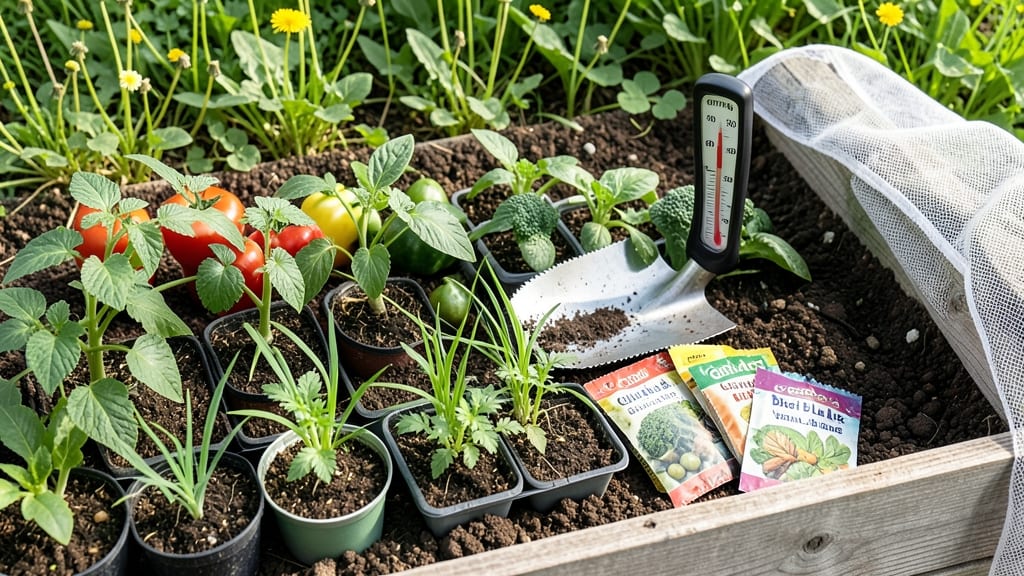
Planting a vegetable garden in North Carolina at the right time means the difference between a thriving harvest and wasted effort—especially in Zone 7B and 8A, where timing can be tricky.
Picture this: you’ve prepped the soil, ordered your seeds, and even marked the beds—only to watch your seedlings bolt in the heat or freeze under a late frost. That’s why knowing when to plant is just as important as what you plant.
North Carolina’s climate varies wildly from the Coastal Plain to the Mountains, but one rule holds true: cool-season crops like broccoli and spinach need to hit the ground 4-6 weeks before your last frost, while tomatoes and peppers thrive only after soil warms to 60°F.
Below, I’ll break down the exact planting windows for your region, plus pro tips to stretch your growing season—so you can enjoy fresh veggies from spring to fall without the guesswork.
NC Zone 7B & 8A planting calendar: best times for vegetables by type
North Carolina’s Zone 7B and 8A offer extended growing seasons, but knowing the perfect planting windows for your vegetables is key. The last frost dates vary slightly across cities—Raleigh (March 15), Charlotte (March 1), and Asheville (April 15)—so adjust your schedule accordingly.
Cool-season crops like broccoli and spinach thrive in early spring and fall, while tomatoes and peppers need warm soil to sprout successfully.
Your planting strategy should include early, mid, and late-season plantings to stretch harvests. For example, sow lettuce and radishes in late summer for a fall harvest, or start green beans in early spring for a summer bounty.
Succession planting ensures your garden stays productive all season long, reducing waste and maximizing yields.
Here’s a quick reference for cool-season vs. warm-season crops and their ideal planting windows in NC’s zones. Use this as your guide to avoid common mistakes like planting heat-lovers too early or frost-sensitive crops too late.
For cool-season crops, start seeds indoors 6–8 weeks before the last frost to give them a head start. For example, broccoli and cabbage can handle light frosts, so you can plant them as early as February in Raleigh or March in Asheville.
Use row covers to protect tender seedlings from unexpected late frosts, which can still occur in Zone 7B.
Warm-season vegetables like tomatoes and peppers need warm soil to germinate, so wait until **after
How to adjust planting dates for early or late harvests in NC’s climate
North Carolina’s Zone 7B and 8A climates offer extended growing seasons, but even here, heat stress and late frosts can sabotage your harvest. The key to success? Adjusting planting dates strategically to stretch your garden’s productivity.
Whether you’re aiming for an early spring harvest or a fall extension, these techniques will help you beat the odds and enjoy fresh produce longer.
Start by identifying your local frost dates—Raleigh typically sees its last frost around March 15, while Asheville holds off until April 1. Use these benchmarks to time cool-season crops like lettuce and spinach for early harvests.
For warm-season vegetables such as tomatoes and peppers, wait until the soil warms to at least 60°F (usually late April to early May) to avoid stunted growth.
5 Pro Tips to Extend Your NC Harvest
- Use row covers or cold frames to protect early plantings from late frosts (March-April) and extend fall harvests into November.
- Plant heat-loving crops like okra and sweet potatoes in June-July to avoid summer bolting and enjoy harvests through fall.
- Try succession planting every 2-3 weeks for crops like radishes and bush beans to ensure a continuous supply.
- For cool-season greens (lettuce, kale), sow seeds 8-10 weeks before your first expected frost for a fall harvest.
- Monitor soil temperature with a thermometer—warm-season plants need soil above 60°F, while cool-season crops thrive below 75°F.
If you’re eager for an early harvest, consider starting cool-season crops indoors 4-6 weeks before the last frost. Transplant seedlings outdoors when they’re 3-4 inches tall and hardy enough to handle NC’s unpredictable spring weather.
For late-season extensions, focus on fast-maturing varieties like bush beans or turnips, which can be sown as late as August for a fall harvest.
Don’t overlook succession planting—this technique involves sowing new seeds every 2-3 weeks to replace harvested crops. It’s perfect for leafy greens, radishes, and carrots, ensuring you never run out of fresh produce.
Pair this with mulching to retain soil moisture and regulate temperature, especially during NC’s hot, humid summers.
For heat-sensitive crops like lettuce and spinach, opt for shade cloth during peak summer months (June-August) to prevent bolting. Meanwhile, okra and sweet potatoes thrive in NC’s summer heat—plant them in late May for a fall harvest when other crops might struggle.
Always keep an eye on pests like cucumber beetles, which can devastate young seedlings if not managed early.
By mastering these adjustments, you’ll turn NC’s Zone 7B and 8A climate into a year-round gardening powerhouse—no more wasted space or missed harvests! 🌱