
Planting
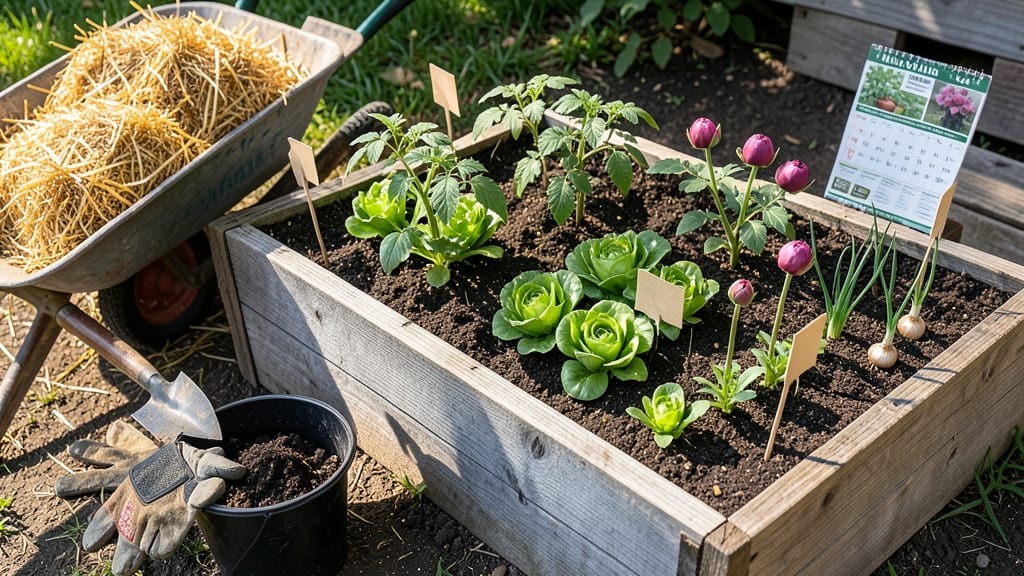
Planting your garden in Michigan at the right time means catching that narrow window between last frost and summer heat—mid-April to early May for most of the state, but earlier in the south and later in the north.
Michigan’s unpredictable frost dates can turn a gardener’s excitement into frustration—plant too early, and your seedlings become casualties of late frosts; too late, and you miss the growing season entirely. But timing your garden right isn’t just about avoiding frost—it’s about maximizing yields and thriving plants.
Cool-season crops like spinach and peas can go in the ground as early as March in southern Michigan, while warm-season favorites like tomatoes need to wait until after May 15 in northern zones.
The key is knowing your USDA zone and adjusting for microclimates, whether you’re in Detroit or the Upper Peninsula.
In this guide, I’ll break down the exact frost-free deadlines by plant type, share strategies to extend your season with cold frames and row covers, and help you avoid common planting mistakes that even experienced gardeners make.
Michigan’s frost-free dates by USDA hardiness Zone: when to plant cool vs warm-season crops
Michigan spans USDA Hardiness Zones 4-6, meaning frost dates vary dramatically from northern Lower Peninsula (Zone 4) to southern Michigan (Zone 6). The last spring frost typically arrives between mid-April and early May, while the first fall frost hits mid-September to early October.
These dates determine whether your cool-season crops (like spinach and peas) thrive or your warm-season crops (tomatoes, peppers) bolt in the heat.
Understanding your microclimate matters too—urban areas often warm up faster than rural spots, giving you 2-3 extra days to plant warm-season crops. Meanwhile, elevated areas or lake-effect zones (near Great Lakes) can delay frost by a week or more.
Let’s break down zone-specific planting windows so you can align your garden with Michigan’s unpredictable weather.
📋 Key Takeaway: In Zone 4, wait until May 15 for warm crops; in Zone 6, you can start 2 weeks earlier. Cool crops like kale and lettuce can handle light frosts, but tomatoes and peppers need consistent warmth to avoid stunted growth.
For cool-season crops, start seeds indoors 4-6 weeks before your last frost date. Spinach, peas, and lettuce can handle light frosts, but broccoli and cabbage prefer consistent 50–60°F soil temps.
In Zone 4, sow spinach in early March under cold frames for a head start, while Zone 6 gardeners can direct-sow peas by February 15.
Warm-season crops like tomatoes, peppers, and cucumbers demand soil temperatures above 50°F and air temps above 55°F. In Zone 4, wait until May 25 to transplant seedlings, while Zone 6 gardeners can start 2 weeks earlier.
Use a soil thermometer to confirm readiness—cold soil stunts growth, even if air temps seem warm.
Microclimates play a huge role in Michigan. Urban areas (like Detroit) often warm up 3–5 days faster than rural farms due to concrete heat absorption. Conversely, lake-effect zones (near Lake Michigan) can delay frost by 1–2 weeks.
If you’re near water, plant warm crops 5–7 days earlier than the zone average.
Succession planting is your secret weapon for maximizing yields. For cool crops, make weekly sowings of lettuce or radishes from March to June to avoid bolting. For warm crops, stagger tomato and pepper plantings every 2 weeks from May to July to ensure a continuous harvest until frost.
Don’t forget fall planting! Many cool-season crops thrive when sown in late summer for autumn harvests. In Zone 4, plant kale and carrots by August 1; in Zone 6, extend this to September 1. Use row covers to protect tender greens from early frosts.
If you’re unsure about your last frost date, check local Almanac records or use Michigan State University Extension’s frost maps. For
How to extend your Michigan growing season: 5 proven methods for early and late planting
Michigan’s short growing season can feel like a race against time, but with the right strategies, you can push your harvests well beyond the typical frost dates.
Whether you're a beginner or seasoned gardener, these 5 proven methods will help you extend your planting windows and protect your crops from unpredictable weather.
By combining season-extending tools with smart planting techniques, you can enjoy fresh produce from early spring to late fall. The key is understanding how to time your plantings and shield vulnerable plants during critical frost periods. Let’s explore how to make the most of Michigan’s growing season.
For early planting, start seeds indoors 6-8 weeks before the last frost date. Use grow lights to supplement natural light and ensure strong seedlings ready for transplanting. My go-to varieties for early starts include kale, spinach, and broccoli, which tolerate cooler temps.
When extending the season into fall, focus on warm-season crops like peppers, eggplants, and tomatoes. Plant them 8-10 weeks before the first frost date and use black plastic mulch to absorb heat and protect roots. This simple trick can add 2-4 weeks to your harvest window.
Don’t forget to monitor soil temperatures—most seeds need 40-70°F to germinate. Use a soil thermometer to time your plantings perfectly. For example, peas and lettuce germinate best at 40-50°F, while tomatoes and peppers require 70-80°F.
With these strategies, you’ll transform Michigan’s challenges into opportunities. Whether you’re adding weeks to your harvest or protecting delicate seedlings, season extension is all about working with nature, not against it. Happy gardening! 🌱