
Planting
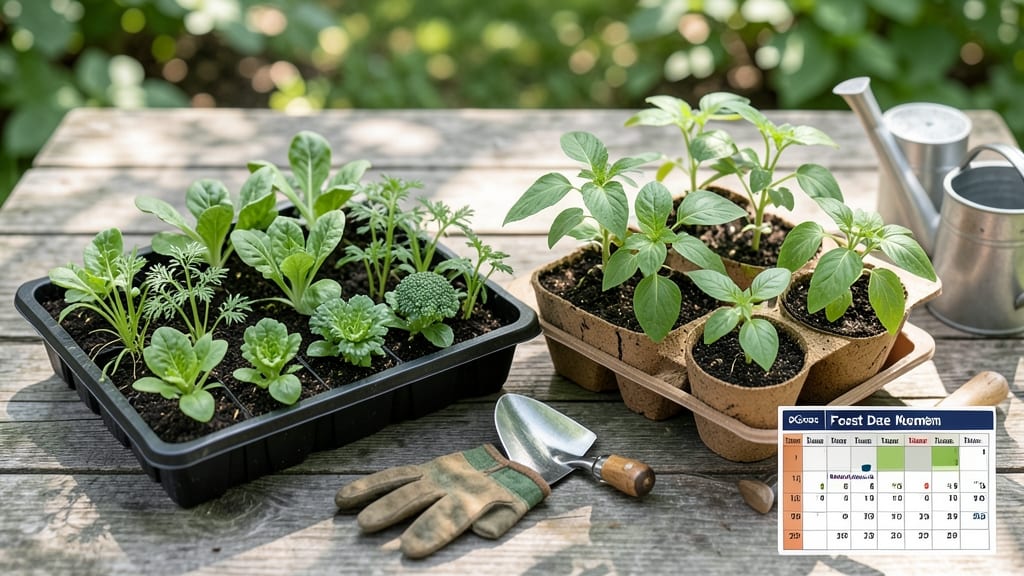
Planting a garden in Ohio after the last frost—typically mid-April—sets you up for a bountiful harvest, but timing is everything.
Ohio’s unpredictable spring weather can turn your gardening dreams into a guessing game unless you know the exact planting windows for your zone. Miss these deadlines, and you might sacrifice your tomato harvest or lettuce bounty to frost or heat stress.
From Toledo’s cooler climate to Cincinnati’s slightly warmer microclimates, Ohio’s USDA zones 5b–6b mean your neighbors might be planting a week before or after you.
I’ll break down the ideal months for cool-season crops like spinach and warm-season stars like peppers, plus how to adjust if Mother Nature throws a curveball.
You’ll also discover how to prep your soil, start seeds indoors, and transplant with confidence—so you’re not left scrambling when the first 60°F day arrives. Let’s get those 🌱 dreams growing!
Ohio planting zones explained: what determines your last frost dates?
Ohio spans USDA Plant Hardiness Zones 5b to 6b, meaning gardeners here enjoy a moderate climate with 165 frost-free days on average. These zones directly influence when you can safely plant cold-hardy crops like spinach and peas versus heat-loving plants such as tomatoes and peppers.
The key factor? Your last average frost date, which varies by region—sometimes by weeks!
For example, Toledo (Zone 5b) typically sees its last frost around April 20–25, while Columbus (Zone 6a) averages April 10–15. Cincinnati (Zone 6b) often warms up even earlier, by April 5–10.
These dates determine whether your tomato seedlings survive or your lettuce bolts into seed before harvest. Understanding your zone helps you align planting with nature’s timeline.
Here’s how Ohio’s zones break down for critical planting windows:
Cold-hardy crops like peas, spinach, and kale thrive in Ohio’s early spring, often surviving light frosts. These can be planted 4–6 weeks before your last frost date—even in February or early March for southern zones.
Meanwhile, tomatoes, peppers, and cucumbers need soil temperatures above 50°F and won’t tolerate frost, so wait until 2–4 weeks after your last frost to transplant seedlings outdoors.
Microclimates add another layer of complexity. Urban areas like Columbus may warm up faster than rural spots, while valleys and low-lying regions often experience later frosts. To hedge your bets, use row covers or cold frames to extend the season for heat-sensitive plants.
For example, if a late frost threatens your tomato seedlings in early May, a simple floating row cover can protect them for another 2–3 weeks.
Soil temperature is just as critical as air temperature. Use a soil thermometer to confirm when it’s safe to plant warm-season crops—60°F+ for tomatoes and 55°F+ for peppers.
Northern Ohio gardeners might not see these temps until late May, while southern Ohio could hit them by mid-April. This explains why your neighbor’s tomatoes thrive while yours struggle—it’s all about timing!
Don’t overlook fall planting, either. Ohio’s first frost typically arrives between October 10–20, depending on the region. This means you can still sow cool-season crops like broccoli and carrots in late July or August for a harvest before winter sets in.
Just aim to plant 8–10 weeks before your first frost to ensure maturity.
Pro tip: Bookmark the Ohio State University Extension’s Planting Calendar for real-time updates. Their local frost date maps adjust yearly based on actual weather patterns, not just averages.
For instance, 2023’s last frost in Columbus came 2 weeks later than the 30-year average—knowing this could’ve saved many a gardener’s zucchini crop!
Finally, remember that seed packets list “days to maturity” from transplanting, not from planting. For example, a 60-day tomato planted on May 1 in Zone 6a should be ready by June 30.
But if you’re starting seeds indoors in March, account for 4–6 weeks of seedling growth before transplanting. Plan backward from your first frost to avoid rushing!
Mastering Ohio’s planting zones turns guesswork into predictable harvests. Start with your last frost date, adjust for microclimates, and let the soil thermometer be your guide. Soon, you’ll be the gardener everyone asks for advice—because you’ve cracked the code on Ohio’s ever-changing spring. 🌱
Month-by-month Ohio planting calendar: what to sow when for maximum yield
Ohio’s gardening season starts earlier than you think—cool-season crops like spinach and peas can handle light frosts, while tomatoes and peppers need to wait until soil warms. Timing is everything, and missing these windows means smaller harvests or lost plants entirely.
I’ve broken down the best months to plant for Ohio’s USDA Zones 5b-6b, including tips to extend your growing season with row covers and cold frames.
For northern Ohio (e.g., Toledo, Cleveland), aim for mid-April last frost dates, while southern Ohio (e.g., Cincinnati, Columbus) can plant 2-3 weeks earlier. Always check your local Almanac for precise dates—your neighbors’ gardens might not match yours!
The key is balancing soil temperature (wait until it’s 50°F+ for most veggies) with air temperature trends.
- 📅 February-March: Start cool-season crops indoors (e.g., lettuce, kale) or sow hardy seeds outdoors (peas, spinach). Use row covers to protect from frost.
- 📅 April (after last frost): Plant cold-hardy veggies (carrots, radishes) and early potatoes. Transplant broccoli and cauliflower seedlings.
- 📅 May-June: Warm-season stars like tomatoes, peppers, and beans go in after soil hits 60°F+. Avoid planting tomatoes too early—they’ll rot in cold soil!
- 📅 July-August: Direct-sow fall crops (kale, turnips) or transplant cabbage. Succession plant bush beans for late harvests.
- 📅 September-October: Extend the season with cold frames or low tunnels for spinach and garlic. Plant cover crops (e.g., clover) to protect soil.
Don’t fall for the trap of planting tomatoes in April—even if the air feels warm, cold soil will stunt their growth. I’ve learned this the hard way! Instead, wait until late May or use black plastic mulch to warm the soil faster.
For peppers, which are even more finicky, start seeds indoors in March and transplant after Memorial Day.
Ohio’s fall planting is often overlooked, but it’s a goldmine for hardy greens and root vegetables. By August 15, sow spinach, radishes, and garlic for harvests in October-November. Use row covers to shield seedlings from early frosts—this can extend your harvest by 4-6 weeks!
For herbs like basil and cilantro, timing matters too. Basil thrives in warm weather (plant after last frost) but bolts in heat—succession plant every 2 weeks for continuous harvests. Cilantro, meanwhile, prefers cool weather and will flower (and taste bitter) in summer heat.
Remember: Ohio’s microclimates mean your backyard might be 5°F warmer than your neighbor’s. Observe your own frost patterns for 2-3 years to fine-tune your schedule. And always keep a garden journal—note when you plant, what thrives, and what fails.
That’s how I’ve turned my hit-or-miss early years into a predictable harvest every season.