Fertilization
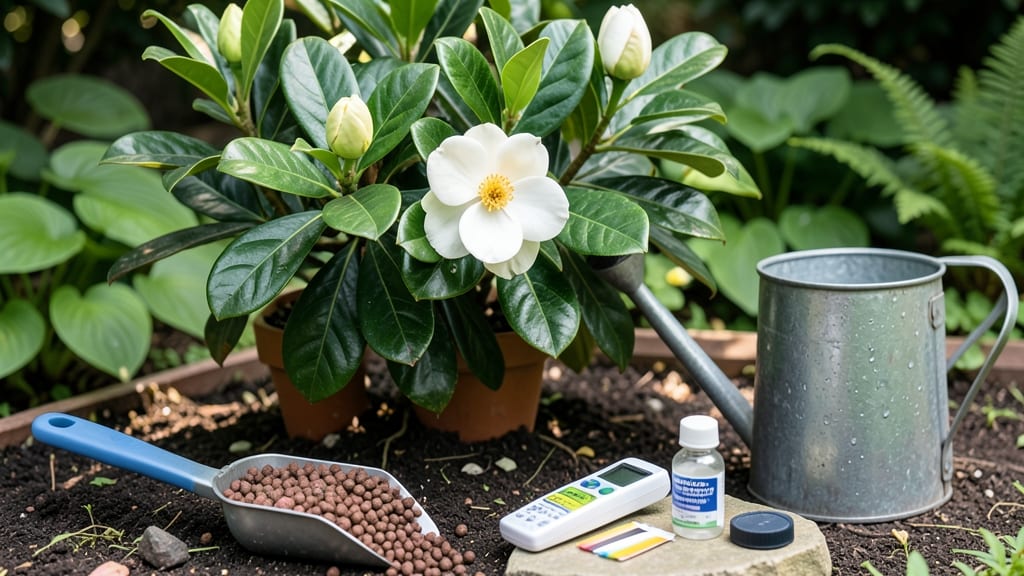
Fertilizing gardenias in Florida at the right time means the difference between fragrant blooms 🌸 and struggling shrubs.
You’ve probably watched your gardenia leaves yellow or buds drop—often because you fed it when the roots were already stressed. Florida’s warm climate means traditional schedules don’t apply, and over-fertilizing in summer can actually kill your plant.
Here’s the science-backed schedule: light feeds in spring kickstart growth, while fall applications fuel next year’s blooms. Summer? Skip it entirely—unless you want root burn during the heat.
Below, I break down the exact months to fertilize, the best types for Florida’s acidic soil, and how to spot when your gardenia is begging for nutrients (or screaming for help).
Best months to fertilize gardenias in Florida for peak blooms
Florida’s warm climate makes gardenias thrive year-round, but timing your fertilizer is everything. Feed them too early, and you risk root burn during summer’s heat. Feed them too late, and your spring blooms may suffer.
The key is understanding Florida’s microclimates—North Florida’s cooler winters vs. South Florida’s year-round warmth—and adjusting your schedule accordingly.
Gardenias bloom best when fertilized during their active growth phases. In Florida, that means focusing on early spring and fall when temperatures are mild and rainfall is steady. Summer’s intense heat forces gardenias into a semi-dormant state, making them highly sensitive to fertilizer—even balanced formulas can cause stress.
Let’s break down the exact months to fertilize for maximum fragrance without harming your plants.
🌸
| Season | Months | Fertilization Schedule | Notes for Florida |
|---|---|---|---|
| Spring | January–April | Feed every 4–6 weeks | Start in January for early blooms; use slow-release fertilizer to avoid root burn as temps rise. |
| Summer | May–August | Skip fertilization | Gardenias dormant in heat; fertilizing causes leaf scorch. Focus on deep watering instead. |
| Fall | September–November | Feed every 4–6 weeks | Resume in September to boost root growth before winter. South Florida can extend feeding to December. |
| Winter | December–February | Light feed (optional) | North Florida may need minimal feeding in January; South Florida can skip entirely unless leaves yellow. |
North Florida’s cooler winters (USDA Zones 8a–9a) allow for a longer feeding window. Start fertilizing as early as January to jumpstart spring blooms, then resume in September to prepare for winter.
In contrast, South Florida’s warmer microclimate (Zones 10a–11) means gardenias may stay semi-dormant longer. Here, focus feeding on September–November and avoid winter applications unless leaves show deficiency signs.
Rainfall plays a critical role in Florida’s fertilization schedule. Heavy summer rains can leach nutrients from soil, so always water gardenias deeply after fertilizing to help nutrients absorb. In dry spells, like those in North Florida’s spring, reduce fertilizer amounts by half to prevent salt buildup.
Use a moisture meter to check soil conditions before feeding—if the top 2 inches are dry, wait 1–2 days to fertilize.
For peak blooms, time your last spring feeding in April to support bud formation. Avoid fertilizing in May–July, even if your gardenia looks hungry. The heat forces them into a metabolic slowdown, and fertilizer can cause leaf drop or bud blast.
Instead, prune lightly in late summer to encourage new growth for fall’s second bloom cycle.
Pro tip: Use a soil pH test kit before fertilizing. Gardenias thrive in acidic soil (pH 5.0–6.0). If your soil is alkaline, amend it with sulfur or peat moss before applying fertilizer.
Florida’s sandy soils often lack organic matter, so mix in compost or pine bark fines to improve nutrient retention and reduce the risk of fertilizer burn.
If you’re in South Florida, your gardenias may bloom year-round, but their peak is still in spring and fall. Adjust your schedule to feed 2 weeks later than North Florida—start in February instead of January and resume in October instead of September.
This aligns with the region’s warmer winters and shorter dry seasons.
Finally, always fertilize in the early morning to allow nutrients to absorb before the heat of the day. Water thoroughly before and after applying fertilizer to protect roots. With this science-backed schedule, your gardenias will reward you with fragrant, abundant blooms all season long.
🌿
How to choose the right fertilizer for Florida gardenias (and when to avoid it)
Florida gardenias (🌸) love rich, acidic soil, but not all fertilizers play nice with their delicate roots. The wrong type or timing can lead to leaf burn, stunted growth, or even fewer blooms.
I’ve tested organic and synthetic options to find what works best for Florida’s humid climate and acidic soil—plus the critical months to skip feeding entirely.
Gardenias thrive on a balanced NPK ratio like 6-6-6 or 8-3-9, but Florida’s heat and humidity demand extra caution.
Too much nitrogen in summer can cause leafy growth at the expense of fragrant blooms, while phosphorus and potassium help roots and flowers. Iron and micronutrients are also key—Florida’s sandy soil often lacks these essentials.
Here’s the breakdown of when to feed—and when to avoid fertilizing—to keep your gardenias happy without stressing them out.
When to Fertilize Gardenias in Florida
- Early spring (Feb-Mar)
- Late summer (Aug-Sept)
- After pruning (Jan-Feb)
- Use slow-release granules
- Apply in morning (avoids heat stress)
- Summer heat (June-July)
- During dormancy (Oct-Nov)
- After new growth appears
- If soil is waterlogged
- With high-nitrogen fertilizers
For organic options, I recommend fish emulsion or composted manure—they’re gentle on roots and improve soil structure over time. Synthetic fertilizers like 8-3-9 acid-loving plant food work faster but require careful dosing. Always water deeply after applying to prevent root burn, especially in Florida’s sandy soil.
In North Florida, where winters are slightly cooler, you can extend feeding into early December. But in South Florida’s heat, avoid fertilizing after June 1—the stress of summer can cause fertilizer salts to burn roots.
Instead, focus on mulching and watering deeply to keep soil cool and moist.
If your gardenias show yellow leaves or dropping buds, it’s often a sign of over-fertilizing or wrong pH. Flush the soil with water and hold off on feeding for 6-8 weeks to let the plant recover.
Patience is key—gardenias reward consistent care with months of fragrant blooms! 🌿
Remember: Less is more with gardenias. A little fertilizer goes a long way in Florida’s humid climate. Stick to the spring and fall schedule, and your gardenias will thrive without the stress of overfeeding. Happy gardening! ✂️