Fertilization
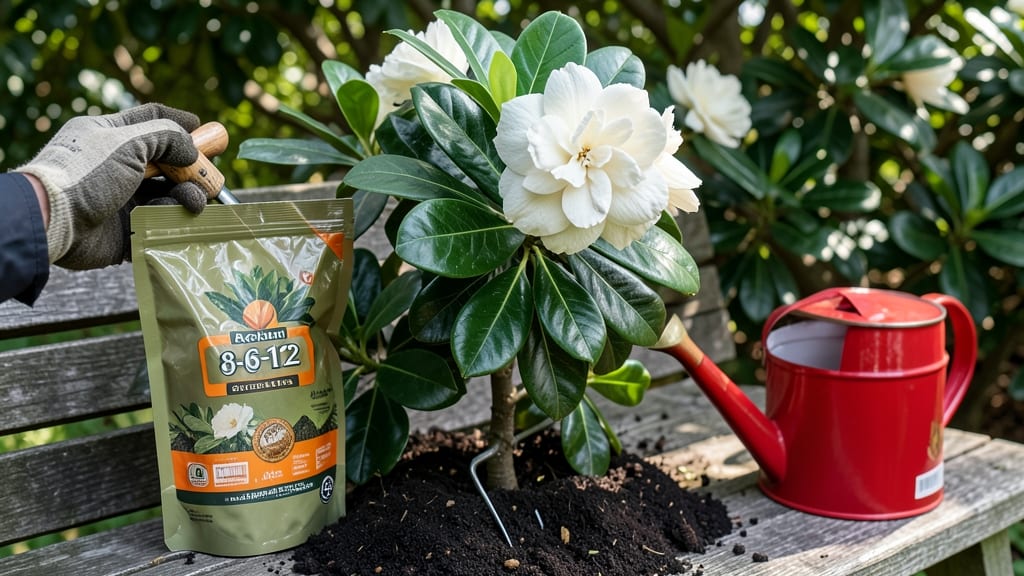
Fertilizing gardenias in Georgia at the right time is the key to fragrant blooms and healthy growth without risking leaf burn.
Picture this: your gardenias 🌸 are lush and thriving, but you notice the leaves turning brown at the edges—too much fertilizer, too late in the season. Georgia’s humid summers and hot springs create the perfect conditions for these beauties, but timing matters more than you think.
Most gardeners in zones 7b-8b make the mistake of fertilizing too early or too late, which can stunt blooms or stress the plant.
The best months to feed your gardenias are March through May and again in August, when the plant is actively growing but not yet preparing for dormancy.
Below, I’ll show you exactly how to fertilize your gardenias for vibrant blooms, the signs your plant is hungry (or overfed), and the best fertilizer types for Georgia’s acidic soil. No guesswork—just lush, fragrant gardenias year after year.
Optimal fertilization schedule for Georgia gardenias by season
Gardenia lovers in Georgia know these fragrant shrubs thrive in our warm, humid climate—but only if you feed them just right. Too much fertilizer too soon can scorch leaves, while skipping feeding stunts blooms.
The key is a seasonal approach that matches your gardenia’s natural growth cycle to Georgia’s hot springs and mild winters. Let’s break down the perfect timing for each month to keep your gardenias lush and blooming without overdoing it.
Georgia’s acidic soil (pH 5.0-6.0) is ideal for gardenias, but our summer heat and humidity demand careful fertilization. I’ve grown gardenias in Zone 7b-8b for years, and the biggest mistake I see? Gardeners feeding too heavily in summer when plants are already stressed by heat.
Instead, we’ll focus on light feeding in spring, balanced blooming support in summer, and gentle fall prep—with zero winter feeding.
| Month | Fertilization Type | Frequency | Key Notes | Soil pH Check |
|---|---|---|---|---|
| January | None | Dormant | Plant rests; focus on pruning dead growth. | Test if <5.0 |
| February | None | Dormant | Prepare for spring with mulch; avoid fertilizing. | Adjust if needed |
| March | Light Feed | Once | Use low-nitrogen (6-6-6) when buds form. | 5.0-6.0 |
| April | Feed | Monthly | Switch to 8-3-9 for blooms; water deeply after. | Monitor |
| May | Feed | Monthly | Peak bloom time; avoid high nitrogen. | 5.0-6.0 |
| June | Light Feed | Every 6 weeks | Heat stress reduces feeding; use organic options. | Check after rain |
| July | Light Feed | Every 6 weeks | Focus on root health with compost tea. | 5.0-6.0 |
| August | Feed | Once | Prep for fall blooms; use slow-release fertilizer. | Test if >6.0 |
| September | Feed | Once | Final feed for season; reduce nitrogen. | 5.0-6.0 |
| October | Light Feed | Optional | Only if new growth appears; stop by Nov 1. | No adjustment |