Fertilization
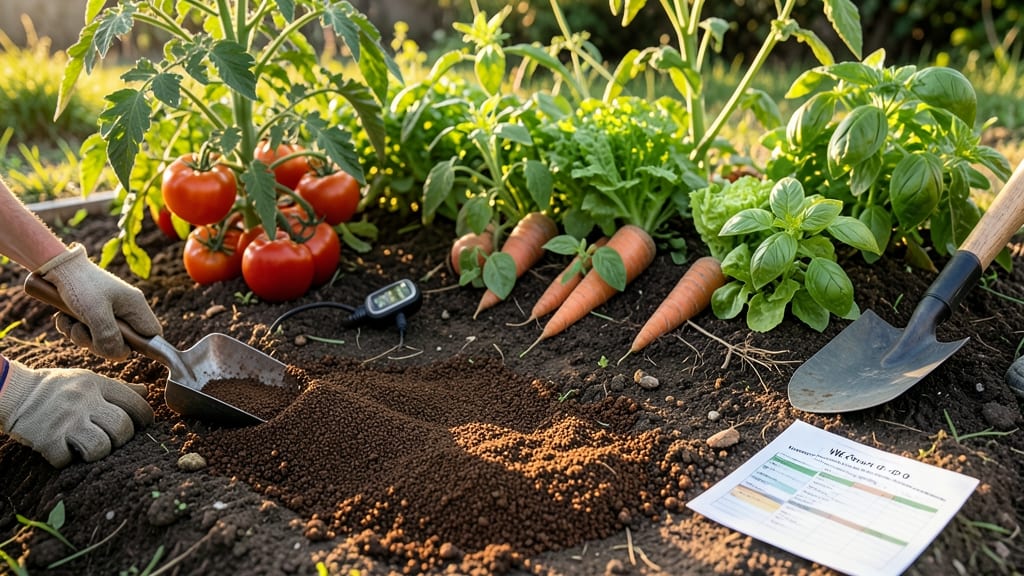
To fertilize your veg garden at the right times means feeding your 🥬 plants when they need it most—not before or after.
Timing your vegetable garden fertilization wrong can mean wasted nutrients—or stunted plants. Mastering the exact moments to feed your veggies ensures bigger harvests, healthier soil, and fewer wasted dollars.
Most gardeners overlook the critical stages—like pre-planting or flowering—where nutrients make the biggest difference. A little planning now saves you from guessing later.
In this guide, I’ll break down the best times to fertilize by growth stage, plus seasonal tips to keep your garden thriving all year.
Fertilization schedule by vegetable growth stages (with exact timing)
Fertilizing your vegetable garden at the right moments transforms your harvest from meager to magnificent. Unlike ornamental plants, vegetables have five distinct growth stages—each requiring specific nutrients. Skipping or overdoing fertilization in any stage can lead to wasted resources or poor yields.
For example, tomatoes need extra phosphorus during flowering, while leafy greens thrive with nitrogen-heavy feeds. Let’s break down the exact timing and nutrient needs for each phase.
Most gardeners make two critical mistakes: fertilizing too early (before roots establish) or too late (when plants are already stressed). The secret lies in syncing your fertilizer applications with the plant’s natural cycle.
Start with a soil test to identify deficiencies, then adjust your schedule. For instance, compost tea works wonders during early growth, while potassium-rich fertilizers boost fruiting. Let’s dive into the stage-by-stage plan.
During the pre-planting stage, focus on enriching the soil rather than feeding the plants directly. Work in 2-4 inches of compost or aged manure 2-4 weeks before planting. This gives microbes time to break it down, preventing nutrient burn.
For example, I always mix in worm castings for my tomato plants—it improves soil structure and provides slow-release nutrients. Avoid synthetic fertilizers here; they can disrupt the microbial balance.
The early growth stage (first 3-4 weeks) is when your plants need nitrogen for leafy growth. Apply a high-nitrogen fertilizer like fish emulsion or blood meal at planting, then again when plants are about 3-4 inches tall.
Leafy greens like spinach and kale respond dramatically to this feeding. Pro tip: Use a liquid fertilizer for faster uptake during this phase. Over-fertilizing now can lead to excessive foliage at the expense of roots or fruit.
When your vegetables enter the flowering stage, switch to a phosphorus-rich fertilizer to support root and flower development. Phosphorus helps plants transfer energy from leaves to flowers and fruit. Apply bone meal or a 5-10-10 fertilizer when you see buds forming—usually 4-6 weeks after planting.
For tomatoes, this is when they start showing those first little blossoms. Skipping this step can result in poor fruit set or blossom end rot, a common issue in tomatoes caused by calcium deficiency.
The fruiting stage demands potassium and calcium to prevent diseases and improve fruit quality. Use wood ash or a 10-10-20 fertilizer during this phase, which typically starts
Signs your veg garden needs fertilizer (and when to avoid it)
Your vegetable plants whisper clues about their health—if you know what to listen for. Yellowing leaves, especially between veins, often signal nitrogen deficiency, while stunted growth or small leaves may mean phosphorus or potassium shortages.
These visual cues tell you it's time to fertilize, but timing matters just as much as the nutrients you provide.
Before reaching for that fertilizer bag, check the soil moisture and recent weather. Overwatering or heavy rain can leach nutrients, while drought stress makes plants more vulnerable to nutrient deficiencies.
Always test your soil first—knowing your pH levels (ideal: 6.0-7.0 for most veggies) prevents wasted fertilizer and ensures your plants can actually absorb what you provide.
⚠️ callout-warning ⚠️
- Dormant Season: Skip fertilizing in winter or late fall (6-8 weeks before frost). Plants store energy, not grow.
- Stressed Plants: Never fertilize when plants show burnt foliage or wilting—this signals over-fertilization or root damage.
- New Transplants: Wait 1-2 weeks after transplanting to let roots establish before feeding.
Over-fertilizing can burn roots and lead to excessive leafy growth at the expense of fruit production.
Watch for purple stems or leaves in tomatoes, peppers, or eggplants—a classic sign of phosphorus deficiency. Meanwhile, brown leaf edges or crispy tips often point to potassium issues, especially in older leaves.
These deficiencies are your garden’s way of saying, "Feed me now!" but act quickly—prolonged nutrient shortages can reduce yields or even kill plants.
Seasonal timing is critical. In spring, fertilize lightly at planting and again in 4-6 weeks to support early growth. During summer’s peak growth, feed every 4-6 weeks with a balanced fertilizer (10-10-10).
Avoid fertilizing in late summer if your plants are preparing for harvest or dormancy—this can lead to tender, frost-sensitive growth.
Pay attention to leaf color changes and growth patterns. Healthy veggies like lettuce or spinach should have vibrant green leaves, while tomatoes and peppers need deep green foliage with no yellowing.
If your plants look lush but fruitless, you’re likely overdoing nitrogen—cut back and switch to a phosphorus-heavy fertilizer (like 5-10-10) to encourage flowering and fruiting.
Remember, organic fertilizers (like compost or fish emulsion) release nutrients slowly, while synthetic fertilizers act faster. Match your fertilizer type to your plants’ current needs and growth stage. For example, leafy greens thrive with high-nitrogen feeds, while root crops benefit from phosphorus boosts during bulb formation.