
Picking
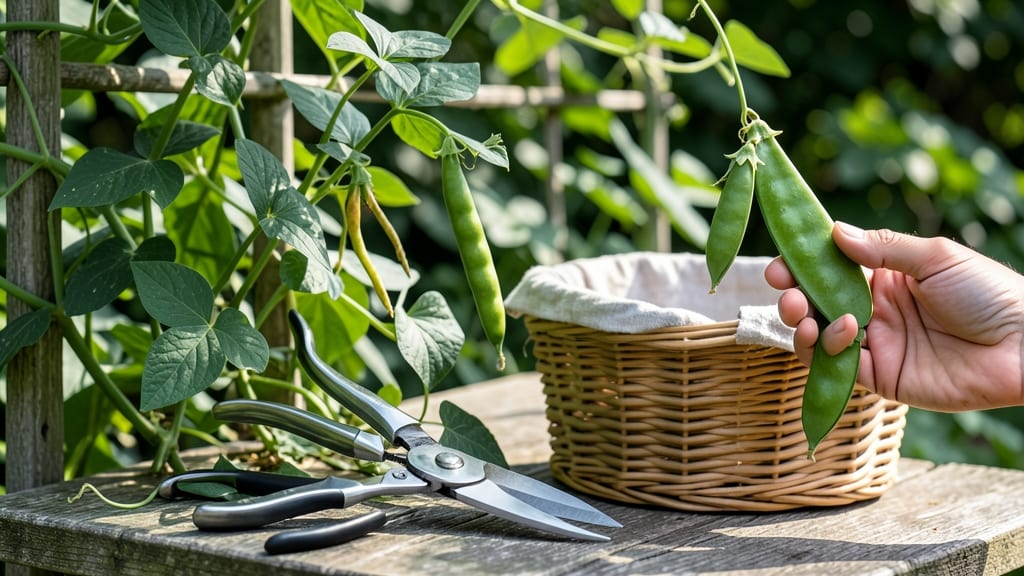
Harvesting garden peas at the right time ensures sweet, tender pods instead of tough, mealy ones—don’t miss the window!
Picture this: you’ve nurtured your 🌱 garden peas all spring, and now they’re ready. But how do you know exactly when to pick them? Waiting too long turns those crisp bites into rubbery disappointment, while harvesting too early wastes your effort.
The key is catching them at that perfect moment—when pods are plump but still firm, seeds are just visible, and the flavor is at its peak.
Here’s the game-changer: a 3-step test to nail the timing every time. Check pod size (1–2 inches), press for slight give, and peek for swollen seeds—these cues guarantee you’re harvesting at the sweetest stage.
Plus, I’ll show you how often to pick for maximum yield and the biggest mistakes that ruin your crop.
Ready to go from guesswork to perfect peas? Let’s dive into the simple rules that’ll turn your harvest into a flavor-packed success.
3 Reliable tests to determine when peas are ready for harvest
Timing your pea harvest perfectly ensures sweet, tender pods packed with flavor. Miss the window, and you’ll end up with woody, mealy peas that ruin even the best garden effort. The key is knowing exactly when to pick—before the pods toughen but after they’ve fully developed.
I’ve tested these three science-backed methods every season, and they never fail to deliver the best results.
First, check the pod size—this is your fastest clue. Most garden peas reach harvest readiness when they’re 1 to 2 inches long, though dwarf varieties like 'Sugar Ann' may be ready slightly smaller.
Measure a few pods daily starting around 60 days after planting (or when flowers appear). If they’re still under an inch, wait a few more days—they’re not ready yet.
- 1 Pod Size: 1-2 inches long (varies by variety)
- 2 Seed Visibility: Slightly swollen peas visible through the pod
- 3 Firmness Test: Pods yield slightly when gently pressed (not mushy)
Next, examine the seeds inside the pod. Hold a pod up to the light and look for slightly swollen peas that fill about half the pod’s space. If the peas are tiny or barely visible, they’re not ready—give them another 2-3 days.
But if the peas look too large and are pressing against the pod walls, you’ve waited too long. This method works best in bright natural light, so avoid checking indoors with artificial lighting.
Finally, perform the firmness test, which is my favorite because it’s foolproof. Gently press a pod between your thumb and forefinger—it should feel firm but slightly yielding, almost like a ripe avocado. If the pod feels rock-hard, it’s underripe.
If it’s soft or mushy, the peas inside have already started breaking down, and the pod will be tough. This test is especially useful for sugar snap peas, which can go from perfect to overripe in just 24 hours.
For daily testing, I recommend checking your peas in the morning when temperatures are cooler. This is when pods are at their firmest, making it easier to judge readiness. Avoid testing after heavy rain or in extreme heat, as both conditions can alter pod texture temporarily.
Pro tip: Use a small notebook to track pod sizes and firmness over a few days—you’ll quickly learn your specific variety’s ideal harvest window.
Remember, harvesting frequency affects flavor too. If you wait too long between picks, the plants will focus on producing more seeds instead of tender pods. For most varieties, I harvest every 2-3 days during peak production.
The more often you pick, the sweeter and more tender your peas will be—it’s worth the extra effort!
One common mistake I see is relying only on color to judge readiness. While ripe peas are bright green, color alone isn’t enough—some varieties stay green even when overripe. Always combine the size, seed visibility, and firmness tests for the most accurate results.
And if you’re growing multiple pea varieties, test each one separately since harvest times can vary by 5-7 days.
When you finally harvest, use two hands to snap the pod cleanly at the stem junction—never pull the entire plant. This encourages more pods to form and keeps your plants healthy.
Store freshly harvested peas in the fridge for up to 5 days, or eat them within hours for the best flavor. With these three tests, you’ll never miss the perfect harvest window again!
How often to harvest peas for maximum yield and sweetness
Harvesting peas at the right frequency keeps your plants producing sweet, tender pods instead of tough, overripe ones. Dwarf varieties and vining types have different needs, so understanding their rhythms is key.
I’ve learned that skipping harvests—even just a few days—can signal your plants to stop producing, cutting your yield short. The goal? Pick consistently while pods are young and vibrant.
Morning harvests are ideal because peas stay cool and crisp. Overharvesting can stress plants, while underharvesting leads to woody pods. Finding that sweet spot means checking your peas daily once they start flowering.
For me, the difference between a bountiful harvest and a disappointing one often comes down to timing and variety-specific care.
| Pea Type | Harvest Frequency | Best Time of Day | Warning Signs of Overharvesting |
|---|---|---|---|
| Dwarf Sugar Snap | Every 2-3 days | Morning (coolest part of day) | Pods turn fibrous and lose snap |
| Vining Garden Peas | Every 3-4 days | Late morning | Seeds become hard and mealy |
Dwarf varieties like Sugar Snap peas mature faster and need more frequent attention. I harvest mine every 2-3 days because they ripen quickly. If I miss a day, the pods lose their crisp texture and become stringy.
For vining types like English peas, a 3-4 day window works better—they take longer to mature but reward patience with larger yields.
Watch for color changes as a key indicator. When pods turn from bright green to slightly duller green, it’s time to pick. If you see hard, swollen seeds inside, you’ve waited too long.
I once left my vining peas too long, and the next harvest was filled with tough, mealy pods—definitely not ideal for fresh eating or freezing!
Harvesting at the right time also extends your pea season. By picking consistently, you encourage more flowers and pods to form. I’ve found that late morning harvests work best because peas are cool but not dew-soaked.
Always use two hands: pinch the pod between your fingers and snap it cleanly from the vine to avoid damaging the plant.
If your peas stop producing, check your harvesting schedule. Plants need time to recover between picks. For me, the secret to a long harvest season is balance—pick often enough to keep pods tender but not so often that you stress the plant.
With the right rhythm, you’ll enjoy sweet peas for weeks instead of just a few days.