Picking
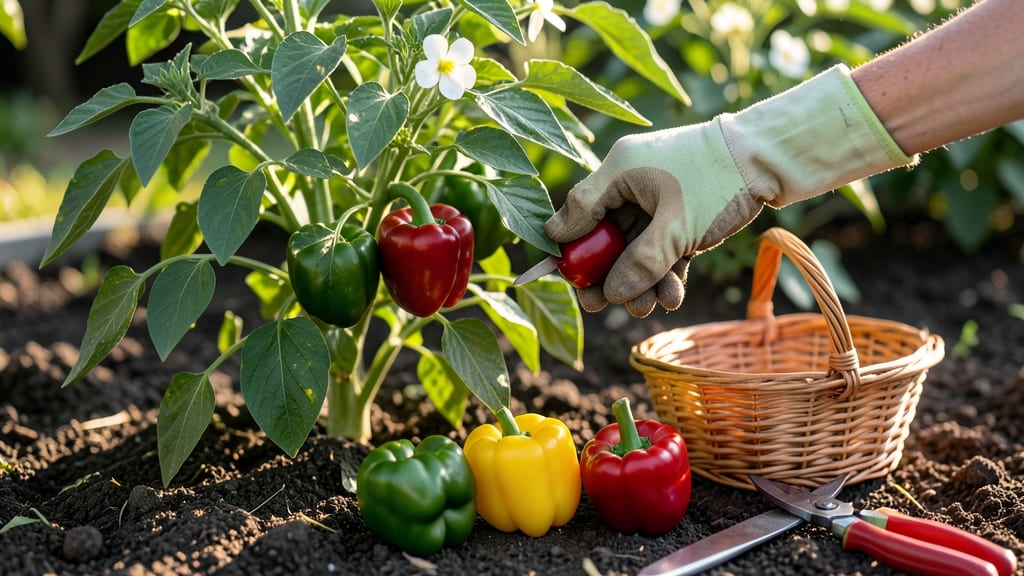
To pick bell peppers from your garden at their sweetest, watch for deep color and firmness—the difference between a vibrant meal and a meal of bitter disappointment.
Picture this: you’ve nurtured your 🌶️ plants all season, only to pull a pepper that’s tough, seedy, or worse, still green at the stem. That’s the moment you realize timing matters more than you thought.
Peppers ripen in stages—green to yellow, orange, or red—each with its own flavor profile. A fully colored pepper (no green at the stem) is your cue, but size and texture play a role too.
Too early, and you’re left with bland, underdeveloped pods; too late, and they turn mealy or even rot.
Below, I’ll break down the exact color cues, firmness tests, and environmental factors (like heat or rain) that tell you when—down to the day—to harvest for peak flavor. No guesswork, just perfect peppers.
Bell pepper harvesting by color: when to pick for best flavor
Harvesting bell peppers at the right color stage transforms your garden bounty from bland to breathtaking. Each maturity color—green, yellow, orange, or red—marks a distinct flavor profile and sweetness level.
I’ve learned the hard way that picking too early means tough, seedy peppers, while waiting too long risks overripe, mealy textures. Let’s break down the perfect harvest timing for each variety to ensure you get the sweetest, juiciest peppers possible.
Most gardeners assume red bell peppers are the gold standard, but yellow and orange varieties offer unique flavors too. The key is understanding color transitions and maturity indicators.
For example, a green bell pepper picked too late can turn bitter, while a red pepper left on the vine past its prime loses its vibrant sweetness. Below, I’ll share my proven color-stage guide to help you harvest at peak perfection.
| Color Stage | Days to Maturity | Flavor Profile | Harvest Time | Maturity Signs |
|---|---|---|---|---|
| Green | 60-75 days | Mild, slightly grassy | Early summer (July) | Firm, glossy, 3-4 inches long |
| Yellow | 75-90 days | Sweet, fruity, less acidic | Mid-summer (August) | Deep yellow, no green at stem |
| Orange | 80-95 days | Rich, caramel-like sweetness | Late summer (August-Sept) | Fully orange, glossy skin |
| Red | 90-120 days | Deepest sweetness, slightly smoky | Fall (Sept-October) | Bright red, firm, no soft spots |
| 🌶️ Pro Tip: Purple and brown varieties follow similar stages but may mature slightly later. | ||||
Green bell peppers are the fastest-maturing variety, typically ready in 60-75 days. They’re often harvested early to encourage more peppers to develop, but don’t assume they’re less flavorful—many chefs prefer their crisp texture and mild sweetness for stuffing or grilling.
The trick is to pick them when they’re firm and glossy, about 3-4 inches long. If you leave them on the vine too long, they’ll turn leathery and bitter, ruining their potential.
Yellow bell peppers are a sweet surprise for many gardeners. They mature around 75-90 days and develop a tropical, fruity flavor that’s far more complex than green peppers. Look for a deep, even yellow color with no hint of green at the stem.
These peppers are perfect for raw eating or roasting, as their natural sugars shine when cooked. I always pick mine in mid-summer when the color is vibrant and the skin is smooth to the touch.
Orange bell peppers bridge the gap between yellow and red, offering a caramel-like sweetness that’s 30-50% sweeter than green varieties. They take 80-95 days to mature and are best harvested in late summer. The ideal maturity sign is a uniform orange hue with a slightly waxy texture.
Overripe orange peppers can become dull and mealy, so timing is everything. I recommend harvesting them when they’re firm but yield slightly when gently squeezed.
Red bell peppers are the crowd-pleasers of the garden, packing the most sweetness and deepest flavor. They mature last, around 90-120 days, and are best picked in early fall before cool temperatures slow down ripening.
The perfect red pepper is bright red, firm to the touch, and glossy. If you notice wrinkled skin or soft spots, it’s past its prime. These peppers are ideal for stuffing, roasting, or fresh salads, but their flavor peaks when harvested at the right moment.
Environmental factors like temperature and rainfall can delay or speed up ripening. In hot climates, peppers may mature faster and need shade cloth to prevent sunscald. Conversely, cool summers can stretch out the season, so I always monitor color changes daily in late summer.
If a pepper isn’t changing color by early fall, it may need a final flush of water or a light fertilizer to jumpstart ripening.
One common mistake I see is picking peppers based solely on size
5 Key signs your bell peppers are ready for picking (beyond color)
While color is the most obvious clue, bell peppers reveal subtle but critical signs of ripeness that go beyond their hue. Ignoring these can lead to overripe peppers with tough skins or underripe ones lacking sweetness.
I’ve learned the hard way—picking too early means bland flavors, while waiting too long risks losing your harvest to pests or frost.
Beyond the red, yellow, or orange glow, pay attention to physical cues like size, texture, and even how the pepper detaches from the plant. These indicators ensure you harvest at the peak flavor window, whether you're growing sweet bell peppers for salads or spicy varieties for cooking.
Let’s break down the 5 non-color signs that scream "pick me now!"
Compare to plant tags—3-6 inch length means maturity. Small peppers (under 3 inches) lack sweetness.
Run a thumbnail over the skin—it should resist pressure without denting. Dull or wrinkled peppers are past prime.
Gently twist the pepper at its stem—it should detach easily without tearing. Resistant stems mean wait 1-2 days.
Cut open a ripe pepper—seeds should be white and plump, not shriveled. Flat seeds indicate overripeness.
A green shoulder near the stem means the pepper isn’t fully mature. Deep, even color confirms readiness.
Temperature plays a sneaky role here—cool nights can slow ripening, while hot days might trick peppers into looking ripe before they are. I’ve had red bell peppers that were still tough because of sudden temperature drops.
Always double-check with the stem snap test if colors look perfect but the weather’s been unpredictable.
Overripe peppers lose their sweetness and develop leathery skins, while underripe ones stay crunchy and bitter. The key is consistency: harvest every 3-5 days during peak season to encourage more production.
I’ve found that morning harvests (when peppers are cool) preserve flavor best—avoid picking after a hot afternoon, as the heat can make them waxy and less vibrant.
Pro tip: Use sharp pruning shears or clean scissors to cut peppers 1 inch above the stem. This prevents disease from spreading through the plant. Store harvested peppers at room temperature for 1-2 weeks or refrigerate to extend their shelf life.
If you’re growing multiple varieties, keep track of their maturity dates—some, like jalapeños, ripen faster than sweet bells.
Remember, bell peppers won’t ripen further after picking, so timing is everything. When in doubt, harvest a pepper and taste it—your palate knows best! With these signs, you’ll never miss the perfect harvest window again. 🌶️