
Picking
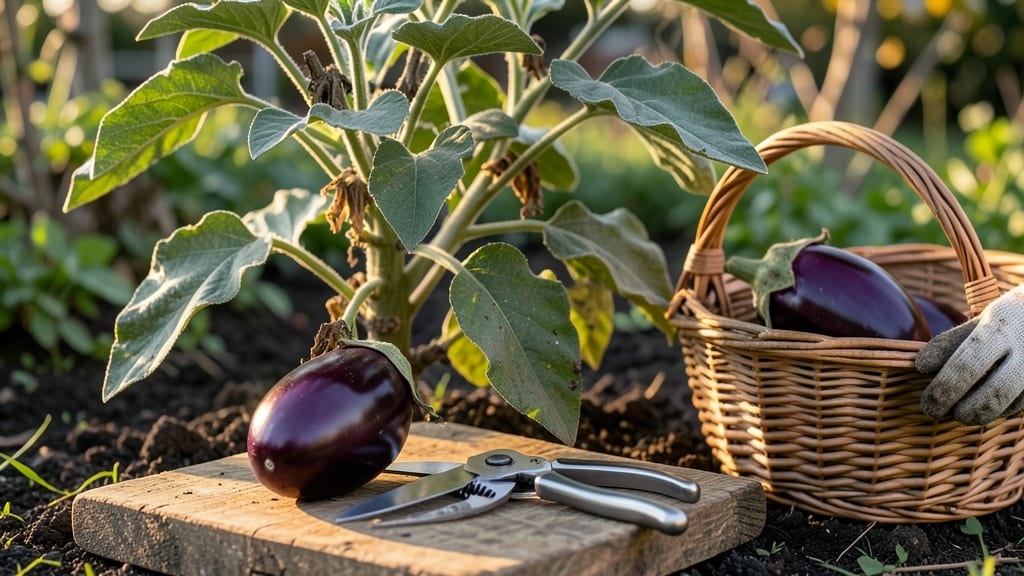
Picking eggplant at the right time in the garden ensures you get the best flavor and texture—and skipping this step means ending up with seedy, bitter fruit that’s past its prime.
Picture this: you’ve nurtured your 🍆 plants all summer, and now the moment of truth arrives. But how do you know when those glossy skins are truly ready? The answer lies in a mix of color, size, and firmness—details most gardeners overlook until it’s too late.
In this guide, I’ll walk you through the three key ripeness cues that tell you it’s time to harvest, plus the best time of day to pick for maximum freshness. Whether you’re growing classic purple varieties or rare whites, these tips will save you from the disappointment of overripe eggplant.
You’ll also learn how to test readiness with a simple twist-and-check method and avoid common mistakes that turn your harvest into a gamble. Let’s get started!
3 Key color changes that signal eggplant ripeness
Eggplants start their lives as bright green fruits that gradually transform into their mature colors. This color progression is your best indicator of ripeness, but it varies dramatically between varieties.
For classic purple eggplants, the shift from green to deep purple signals peak flavor, while white or striped varieties develop their own unique hues. Understanding these color cues helps you avoid bitter, seedy fruits and ensures you harvest at the perfect moment.
Sunlight plays a crucial role in this transformation. Eggplants need full sun exposure (6-8 hours daily) to develop their signature colors. In shady conditions, fruits may stay green longer or develop uneven coloring.
If you notice pale or patchy hues, your plants might need more sunlight or better spacing to prevent overcrowding, which can block light.
Here’s how to identify ripeness through color changes for the most common eggplant varieties:
The deepening color of eggplants isn’t just about aesthetics—it’s a sign that the flesh is developing its signature tenderness. For purple varieties, the shift from green to purple indicates the fruit has reached its sweet spot for flavor.
If you wait too long, the skin may toughen, and the seeds can become bitter. For white eggplants, the transition to a creamy hue means the fruit is ready to harvest, even if it hasn’t changed color dramatically.
One common mistake is assuming all eggplants ripen the same way. Japanese eggplants, for example, stay small and glossy green, while Italian varieties develop striking purple stripes. Always check your plant’s variety description for specific color cues.
If you’re unsure, a simple stem twist test can confirm ripeness—if the stem snaps cleanly, it’s time to pick!
Sunlight intensity also affects color development. In hot, sunny climates, eggplants may ripen faster and develop more vibrant hues. Conversely, in cooler or cloudy regions, the color change might be slower.
If your eggplants are taking longer to ripen, consider providing afternoon shade during peak summer heat to prevent stress, which can delay color development.
For container-grown eggplants, color cues may be less pronounced due to limited sunlight. If your potted plants aren’t developing their mature colors, try moving them to a sunnier spot or supplement with a grow light for 4-6 hours daily.
Even a few extra hours of light can make a noticeable difference in color intensity and overall ripeness.
Pro tip: Use a garden journal to track color changes in your eggplants. Note the day you notice the first signs of ripening (like a purple tint or glossy skin) and compare it to the harvest window for your variety.
Over time, you’ll recognize the exact moment your eggplants are ready to pick, even before the color fully develops.
Remember, the color isn’t the only factor—firmness and size also play a role. But mastering these color cues gives you a head start on knowing when to harvest. Once you’ve got the hang of it, you’ll be picking eggplants at their peak every time!
Texture and size: the overlooked ripeness indicators
When it comes to eggplant ripeness, most gardeners focus on color—but texture and size reveal just as much about flavor potential. A ripe eggplant should feel heavy for its size, with a smooth, almost waxy surface.
This isn't just about looks; it's a direct indicator of water content and sweetness. If you pick too early, you'll end up with a seedy, bitter fruit, while waiting too long can turn it mealy and bland.
I’ve learned the hard way that firmness is key. Gently press an eggplant—if it gives slightly under your fingertips, it’s ready. A hard, unyielding fruit means it’s underripe, while one that feels soft or spongy has overstayed its welcome.
This simple test saves you from culinary disappointment, especially with heirloom varieties that can vary widely in texture.
🌱
Picking too early: Small, firm eggplants lack sweetness and often have bitter seeds. Picking too late: Overripe fruit becomes mealy and bland, with tough skin. Twisting vs. cutting: Always twist gently to avoid damaging the plant—cutting stems can invite disease.
Don’t overlook the surface gloss either. A ripe eggplant has a shiny, almost slippery skin, thanks to natural waxes that develop as it matures. Dull or matte skin signals underripe fruit, while a dry, wrinkled surface means it’s past its prime.
This visual cue is especially useful for white or striped varieties, where color changes are less obvious.
Size matters too—though it varies by variety. For most eggplants, 6 to 10 inches long is ideal, but Japanese varieties like 'Kyoto' stay smaller (4-6 inches). Weighing your eggplant can also help: a ripe one feels surprisingly heavy for its size, thanks to high water content.
If it feels light, it’s not ready yet.
Timing your harvest is just as critical. Morning is best—cooler temperatures mean firmer fruit, and you’ll avoid the heat-induced softening that happens later in the day. Pro tip: Harvest frequently to encourage more production. Eggplants are prolific, but they’ll stop flowering if left to overripe on the vine.
🌿